
A science-informed way to build a wellness routine that lasts: attach small health habits to existing daily actions so they start to feel automatic.
Calma Path
October 18, 2026
Updated October 18, 2026
10 Micro-Habits Under 5 Minutes to Boost Daily Health
Ten tiny, science-backed habits you can do in under five minutes, from smarter hydration to quick mobility and stress resets that actually stick.

Written by
Maya Reynolds
Maya Reynolds is a registered nurse turned wellness educator who specializes in translating clinical research into accessible, everyday health habits. She is passionate about helping people sustainably improve their fitness, sleep, and nutrition without the pressure of toxic wellness culture.
When I was working high-stress hospital shifts, the wellness advice I kept seeing was wildly out of touch: expensive supplements, punishing workouts, and morning routines that took longer than my commute. What finally helped my burnout and chronic sleep issues was not a single dramatic overhaul. It was a handful of tiny, repeatable habits that fit into real life.
Micro-habits work because they lower friction. They also compound. Five minutes a day sounds almost too small to matter, until you realize five minutes times 300 days is 25 hours of quiet, consistent care for your body and nervous system.
Below are 10 micro-habits you can do in under five minutes. Pick one or two to start. Keep them almost laughably easy. Your future self will thank you.

How to use this list
- Choose 1 habit that feels doable on your worst day.
- Attach it to something you already do (after brushing teeth, before coffee, when your computer boots up).
- Track it loosely with a sticky note or a simple checkmark. Perfection is not the goal. Repetition is.
Gentle reminder: If you have a medical condition, take medications like diuretics, have a history of eating disorders, or are pregnant, check with your clinician before making significant changes to hydration, fasting patterns, or exercise.
1) Drink water first, then caffeine
Time: 30 to 60 seconds
If your day starts with coffee on an empty tank, you are not alone. A quick hydration “primer” can help you feel less sluggish or headachy, especially if you tend to wake up mildly dehydrated.
Try this: Drink a small glass of water (8 to 12 oz) before your first caffeinated drink.
Why it helps: Even mild dehydration can affect mood, energy, and perceived fatigue. Starting with water is a low-effort way to support alertness and digestion without adding another supplement or rule.
Make it easier: Put a cup by the sink at night so it is waiting for you in the morning.
2) Add sodium when it makes sense
Time: 60 seconds
Plain water is great. But if you are sweating heavily, exercising in heat, or dealing with fluid loss from diarrhea or vomiting, adding some sodium can help you hold onto what you drink. For most people eating a typical diet, you are already getting plenty of sodium, so this is not an everyday requirement.
Try this: Pair water with a salty snack like broth, a few olives, or salted nuts. If that is not an option, add a very small pinch of salt to a glass of water.
Why it helps: Sodium and water work together in fluid balance. This is part of why oral rehydration solutions can be effective during dehydration. A pinch of salt in plain water is not the same as an oral rehydration solution, but it can be a simple option in a pinch when you truly need electrolytes.
Note: If you have heart failure, kidney disease, uncontrolled high blood pressure, or you have been told to limit sodium, skip this or talk with your clinician.
3) Get outdoor light early
Time: 2 to 5 minutes
This one is a personal non-negotiable for me. When I started taking morning light seriously, my sleep quality improved more than any fancy sleep gadget ever did.
Try this: Step outside shortly after you wake up. Let natural light hit your eyes indirectly. No staring at the sun. No pressure to walk, stretch, or be productive.
Why it helps: Morning light is a powerful cue for your circadian rhythm. It supports steadier energy during the day and can make it easier to feel sleepy at night.
Make it realistic: Time needed varies with brightness, season, cloud cover, and where you live. On bright days, 2 minutes can be plenty. On darker winter mornings, you may need longer. Do what you can and keep it consistent.

4) Do a 90-second mobility reset
Time: 1 to 2 minutes
If you sit or stand for long stretches, your body is collecting “posture debt” whether you want it to or not. You do not need a full yoga class to feel better in your back, neck, and shoulders.
Try this:
- 5 slow shoulder rolls each direction
- 5 gentle neck turns each side
- 5 cat-cow breaths (standing with hands on thighs is fine)
Why it helps: Frequent, low-intensity movement breaks can reduce stiffness, improve comfort, and support easier movement across the day.
5) Exhale longer than you inhale
Time: 1 to 3 minutes
I love this because it is free, subtle, and it meets you exactly where you are, including in the middle of a chaotic day.
Try this: Inhale through your nose for 4 seconds, exhale for 6 seconds. Repeat for 6 to 10 breaths.
Why it helps: Slowing your exhale may help shift your body toward a calmer state. For many people, it is a simple way to downshift from “revved up” to more steady.
If you feel dizzy: Shorten the exhale and breathe normally.
6) Add a protein-rich starter
Time: 2 to 5 minutes (or zero extra time if you plan ahead)
Protein is not a diet trend. It is a practical tool for fullness, muscle maintenance, and steadier energy. You do not need to count grams to benefit from prioritizing it.
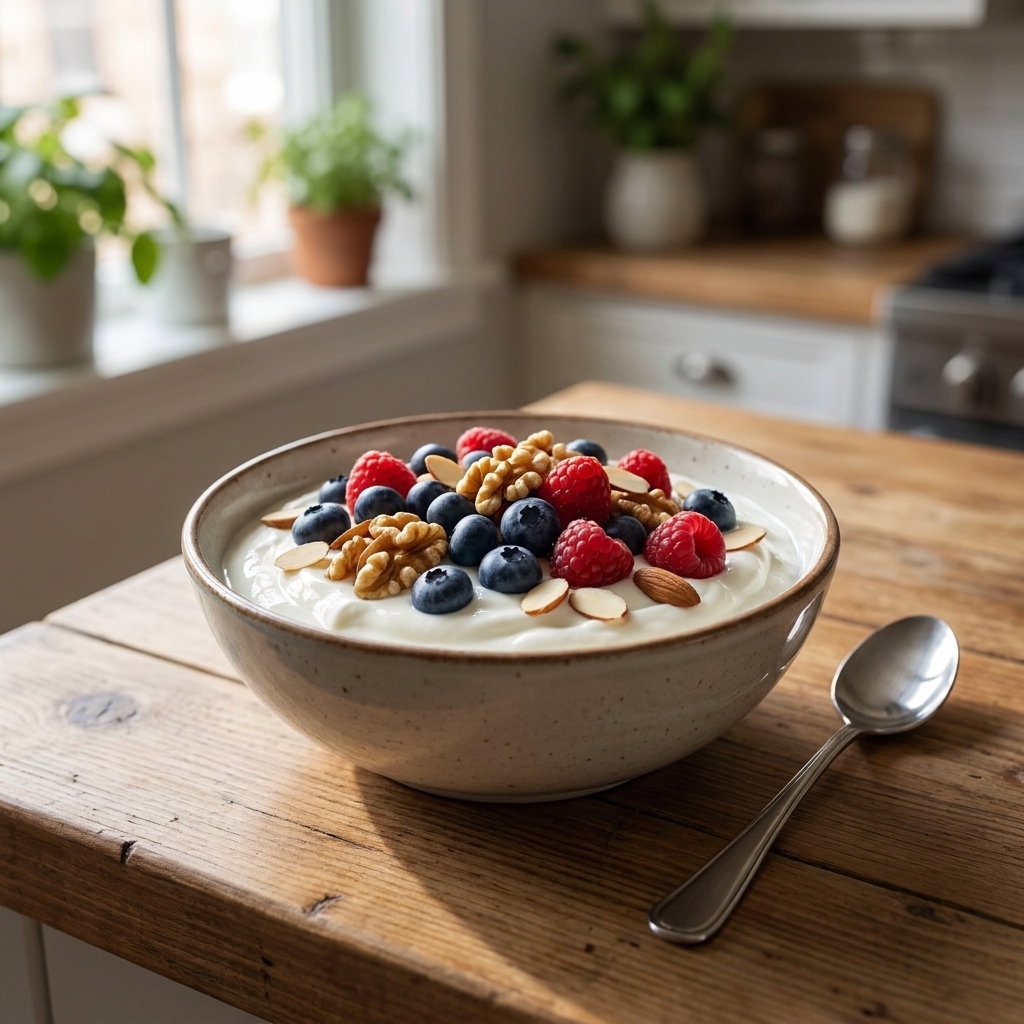
Try this: Add one protein-rich item to breakfast or your first meal, such as Greek yogurt, eggs, cottage cheese, tofu, leftover chicken, or a protein smoothie you can sip.
Why it helps: Higher-protein meals tend to increase fullness and may help blunt post-meal glucose spikes, especially when paired with fiber. Individual needs vary, so use this as a gentle lever, not a rigid rule.
Micro version: Even a cheese stick or a handful of edamame counts on busy days.
7) Take a short walk after eating
Time: 2 to 5 minutes
This is one of the most underrated micro-habits for metabolic health.
Try this: After a meal or snack, walk at an easy pace for two minutes. Around your home, down the hallway, around the block, or even just pacing while you clean up.
Why it helps: Light movement after eating helps your muscles use glucose, which can support healthier post-meal blood sugar levels. It may also feel better for digestion for some people. If you deal with reflux, experiment with timing and intensity.
No time? Stand and do gentle marching in place for 60 seconds.
8) Do a quick ankle and calf tune-up
Time: 30 to 60 seconds
If you have tight calves, cranky feet, or you stand a lot, this one is gold. As a former bedside nurse, I wish someone had taught me earlier how much the feet and ankles affect everything upstream.
Try this: 10 slow calf raises, then 10 ankle circles each direction per foot.
Why it helps: Keeping ankles mobile and calves strong supports gait, balance, and day-to-day comfort. It may also help you feel less stiff or puffy after long hours on your feet.
9) Set a 60-second digital boundary
Time: 30 to 90 seconds
Stress is not only emotional. It is also informational. If your brain is constantly processing notifications, it becomes harder to rest, concentrate, and make nourishing choices.
Try this:
- Turn off non-essential notifications for one app, or
- Switch your phone to grayscale for part of the day, or
- Move one tempting app off your home screen
Why it helps: Reducing friction to distraction is a simple way to protect attention and lower background stress.
10) Set up tomorrow’s sleep win
Time: 1 to 2 minutes
Good sleep is built long before your head hits the pillow. Tiny environmental cues can make falling asleep feel less like a wrestling match.
Try this: Pick one:
- Dim one lamp after dinner
- Charge your phone outside the bedroom
- Set your thermostat or fan the way you like it
- Put your water and any nighttime meds where you will see them
- Lay out comfortable clothes for tomorrow morning
Why it helps: Sleep loves consistency and low stimulation. Small “closing shift” actions signal your brain that the day is winding down.

A simple 7-day micro-habit plan
If you want structure without overwhelm, here is an easy way to start:
- Days 1 to 2: Water before caffeine
- Days 3 to 4: Add morning outdoor light
- Days 5 to 6: Add longer-exhale breathing (6 breaths)
- Day 7: Add a short post-meal walk
After day 7, keep the ones that help. Drop what does not. Wellness should feel supportive, not like a second job.
FAQ
Do micro-habits really make a difference?
Yes, especially when they reduce stress on your system and improve consistency. Five minutes will not replace medical care or a personalized exercise program, but it can meaningfully support sleep quality, daily energy, digestion comfort, and mood over time.
How many micro-habits should I do per day?
Start with one. If that becomes automatic, add a second. Most people do best with 1 to 3, not 10 all at once.
What if I miss a day?
Nothing is ruined. You are practicing a skill, not trying to maintain a streak for perfection points. Resume at the next natural cue, like your next meal or the next time you wash your hands.
The bottom line
You do not need extreme routines to feel better. You need a few small actions that your body can trust you to repeat. Choose one micro-habit from this list and do it today, even if it feels almost too easy. That is exactly the point.