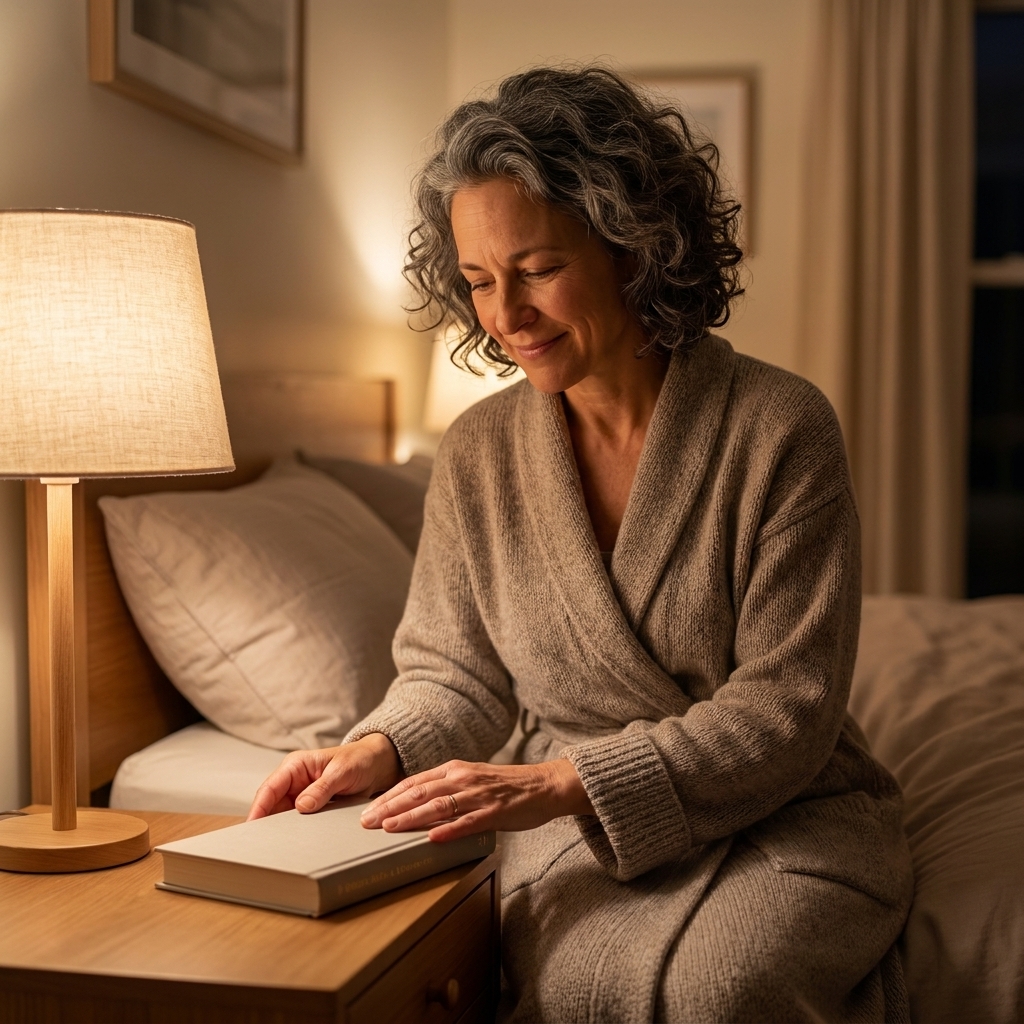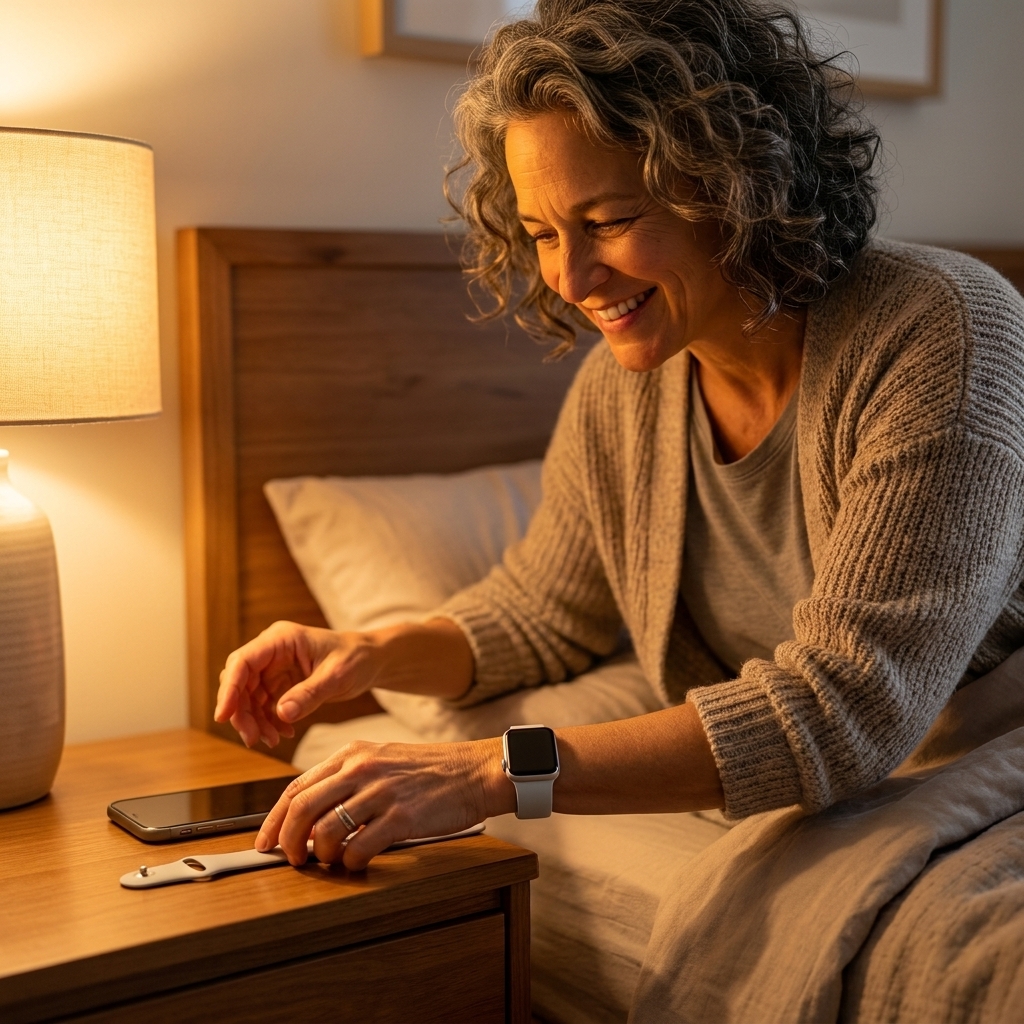
A step-by-step evening routine to shift from work mode to sleep mode by optimizing light, temperature, and mental habits, without expensive gadgets or wellne...
Calma Path
October 18, 2026
Updated October 18, 2026
Optimize Your Bedroom for Deep Sleep
Use this science-backed checklist to fine-tune temperature, light, and noise so your bedroom supports deeper, more restorative sleep.

Written by
Maya Reynolds
Maya Reynolds is a registered nurse turned wellness educator who specializes in translating clinical research into accessible, everyday health habits. She is passionate about helping people sustainably improve their fitness, sleep, and nutrition without the pressure of toxic wellness culture.
When I was working hospital nights, I tried to fix my sleep with willpower. It did not work. What did help, slowly and reliably, was treating my bedroom like a recovery space instead of a random room I happened to pass out in.
Deep sleep supports a lot of your body’s heavy lifting, including tissue repair, immune function, and physical recovery. You cannot force deep sleep, but you can remove the environmental friction that keeps your nervous system on alert. Use this checklist to dial in the big three that matter most: temperature, lighting, and noise.
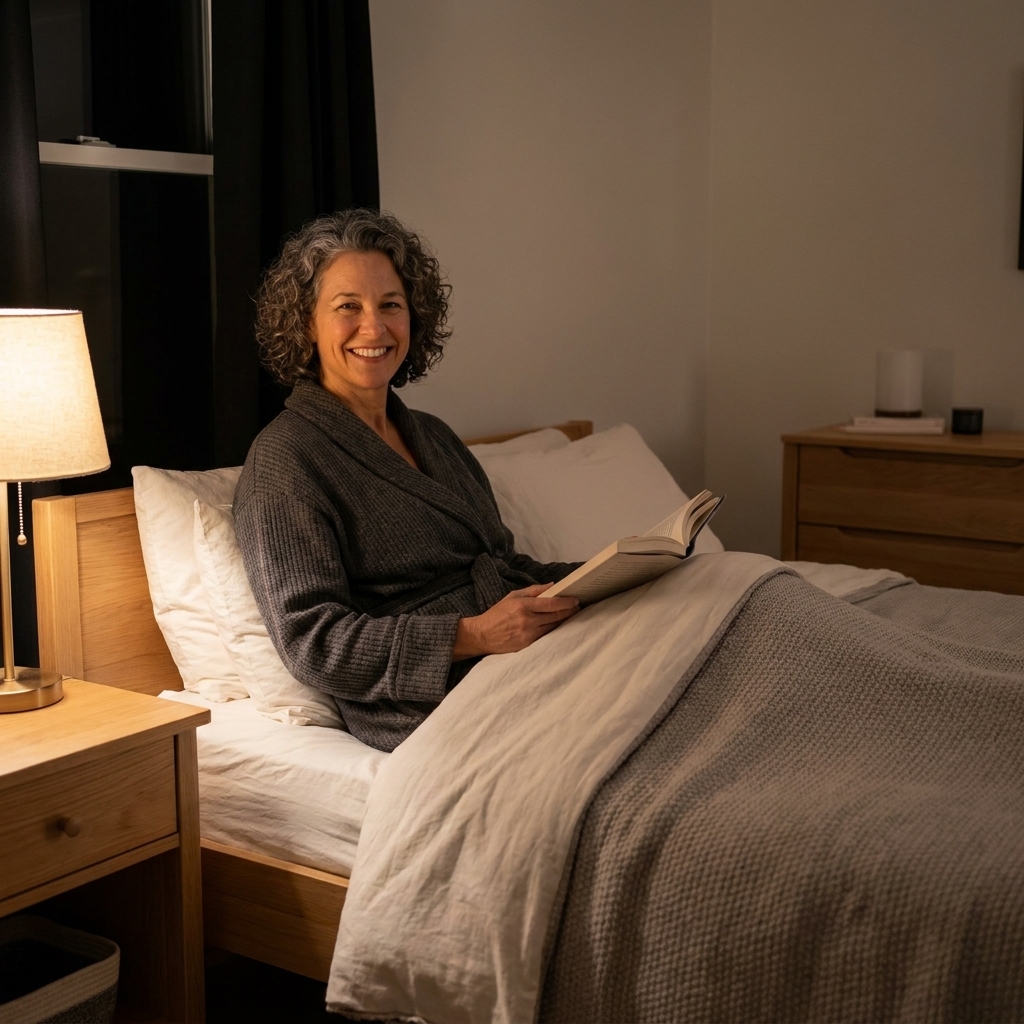
The deep sleep mindset
Your brain is always scanning for cues that it is safe enough to go fully offline. That is not woo. It is your built-in threat-detection system doing its job. A room that is too hot, too bright, or too unpredictable acoustically can keep your body closer to light sleep, with one ear open.
Think of the goal as creating consistency and comfort, not perfection. Small shifts can produce surprisingly meaningful improvements over a few weeks, especially if you keep the rest of your routine steady.
Quick win: Pick one change tonight (like lowering the thermostat or adding a white noise app) and one change this weekend (like sealing light leaks). Stack improvements instead of trying to overhaul everything at once.
Temperature
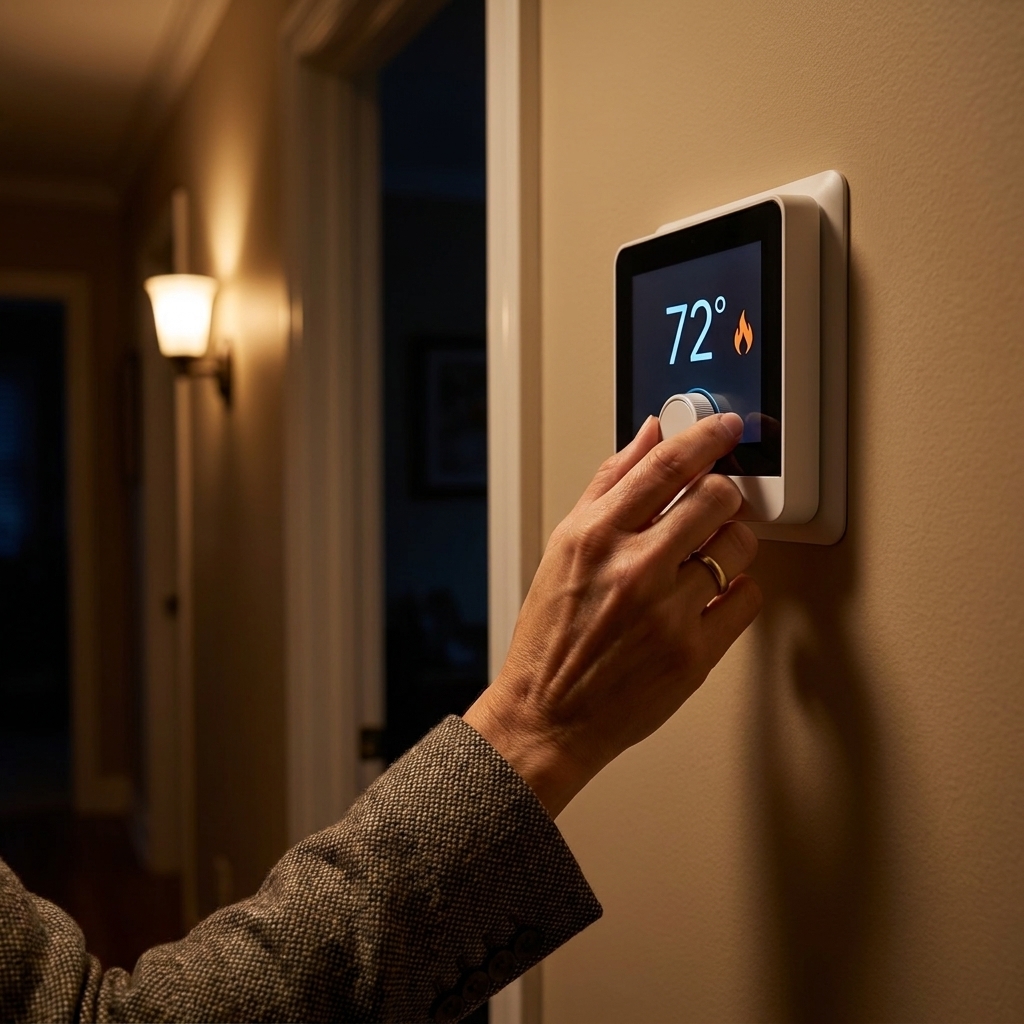
Your body temperature naturally drops as you fall asleep. If your room is warm or your bedding traps heat, you may wake more often or spend more time in lighter sleep.
Target range (start here)
Most people sleep best in a cool room, often around 60 to 67°F (15.5 to 19.5°C). It is not universal. Age, menopause, medications, bedding, and climate can shift what feels right. Use it as a starting point, then adjust based on comfort and how often you wake up.
If 60°F sounds freezing, step down gradually by 1°F every couple of nights.
Deep sleep temperature checklist
- Set a nighttime temperature: Choose a consistent thermostat setting or schedule that starts 60 to 90 minutes before bed.
- Reduce bedding heat traps: If you wake up sweaty, consider lighter layers, breathable cotton or linen sheets, or a thinner duvet.
- Use microclimate tools: A fan for air movement, a cooling pillow, or a hot water bottle for cold feet can help you fine-tune without freezing the whole room.
- Address humidity: Very dry air can irritate your nose and throat. Overly humid air can feel heavy and warm. A humidifier or dehumidifier can help if your home is extreme. Keep humidifiers clean to prevent mold.
Nurse note: If night sweats are new, severe, or paired with fever, unexplained weight loss, or other symptoms, it is worth checking in with a clinician rather than assuming it is just bad sleep.
Light
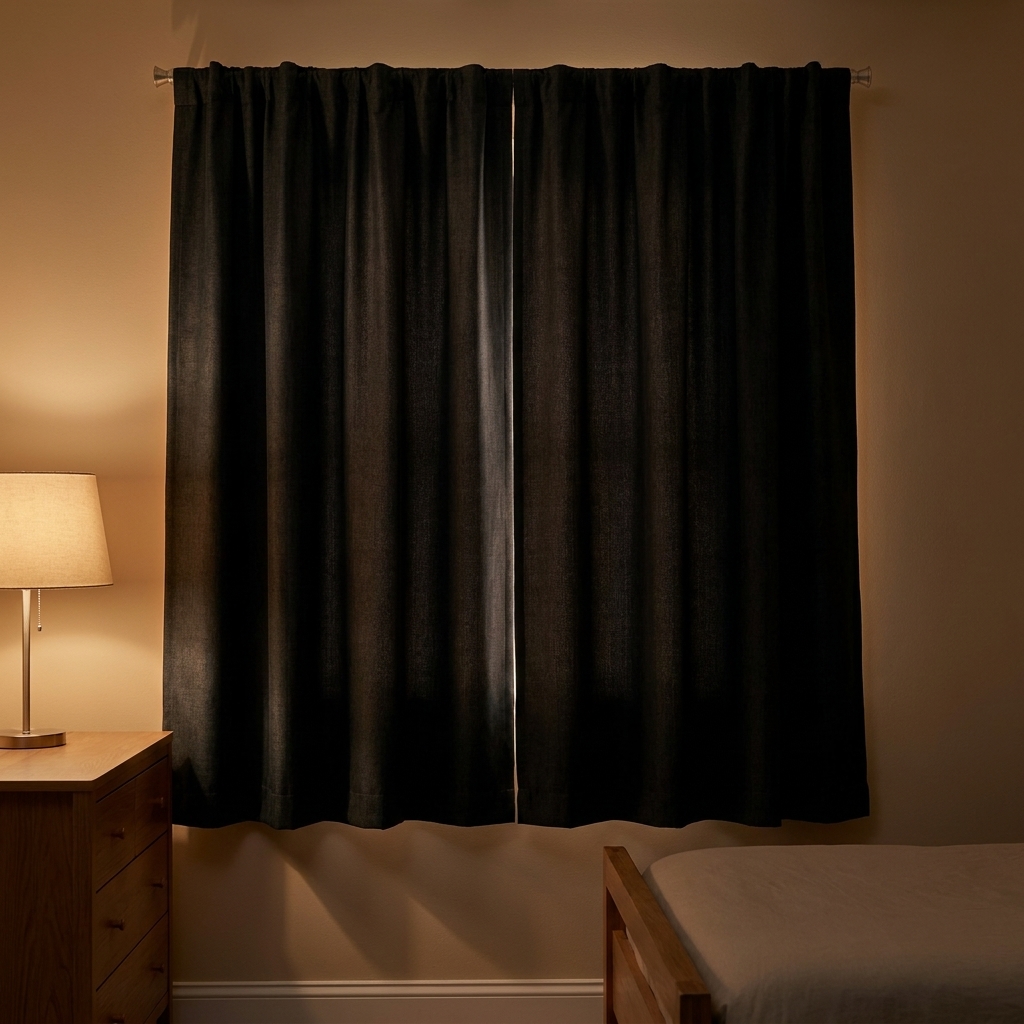
Light is the strongest external cue for your circadian rhythm. Bright or blue-leaning light at night tells your brain it is still daytime, which can delay sleepiness and make sleep lighter. Light sensitivity varies, but even small amounts can matter for some people, especially if the light is bright, blue, or hitting your eyes directly.
Bedroom lighting priorities
- Darken the room: Aim for cave-dark if you can. Blackout curtains or a blackout shade can be a game changer.
- Handle light leaks: Cover or turn away glowing chargers, routers, and LED indicators. If you cannot, use a small piece of opaque tape.
- Choose warm light at night: Use dim, warm bedside bulbs in the evening. Save bright overhead lights for daytime.
- Make night wake-ups boring: Use a low, warm nightlight in the hall or bathroom so you are not blasting your eyes with bright light.
What about screens?
If your phone is in the room, it is both a light source and a temptation source. If moving it out feels impossible, try this ladder of upgrades:
- Best: Phone charges outside the bedroom, with an old-school alarm clock.
- Better: Phone across the room, face down, on Do Not Disturb.
- Good enough: Night Shift or a blue light filter on, brightness low, and no scrolling in bed.
Noise
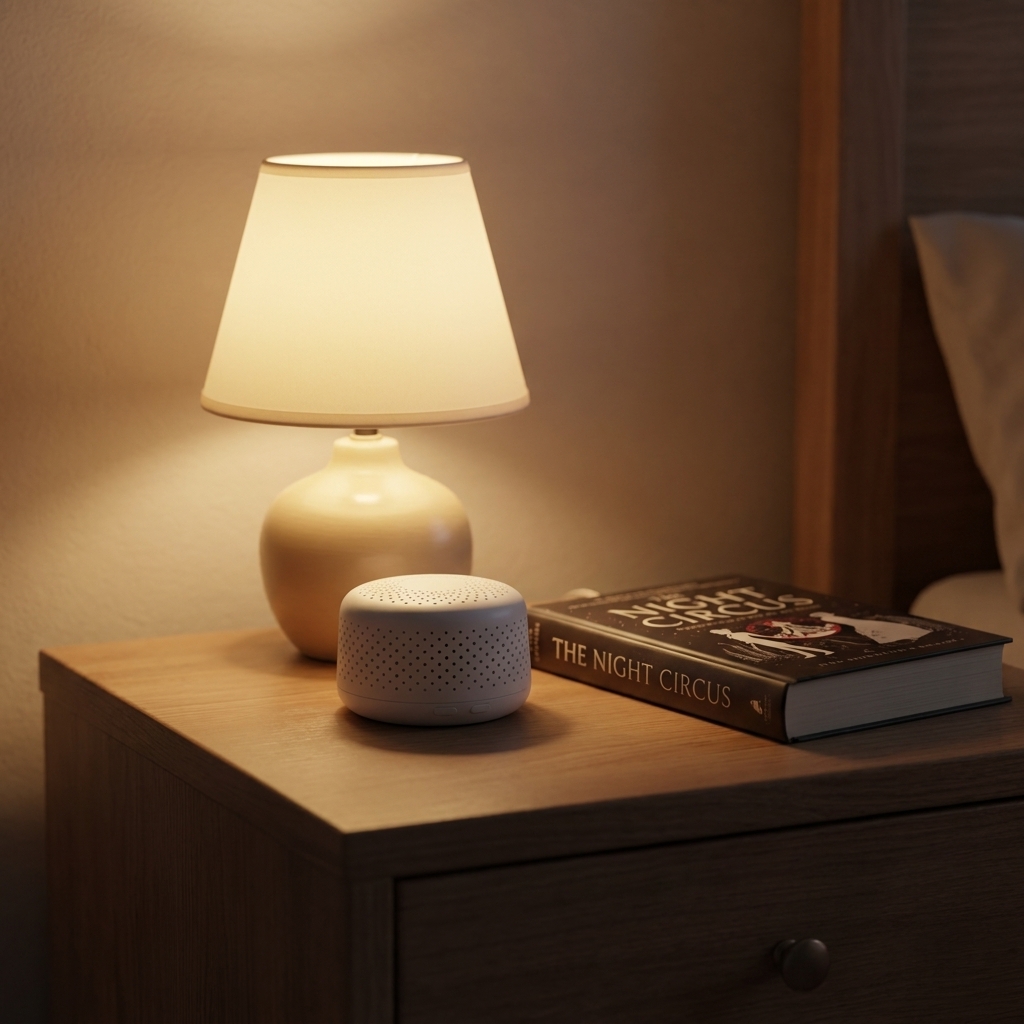
Most of us do not need complete silence. We need predictability. Sudden changes in sound, like a car door slam or a neighbor’s bass, can trigger micro-arousals even if you do not fully wake up.
Noise control checklist
- Mask unpredictable sound: Use a white noise machine, fan, or steady nature sound at a low, comfortable volume.
- Block what you can: Consider door draft stoppers, heavier curtains, or a rug to soften echo if your room is loud acoustically.
- Earplugs when needed: For city noise or snoring partners, soft foam or silicone earplugs can help. Comfort and fit matter more than maximum decibels.
- Partner strategies: If you share a bed, talk about shared solutions like a steady fan, a different pillow setup, or a larger bed size if possible.
Safety note: If you use earplugs, consider whether you need to hear a baby monitor, smoke alarm, or a family member who might call for help. You can often strike a balance with a masking machine instead.
Air and allergens
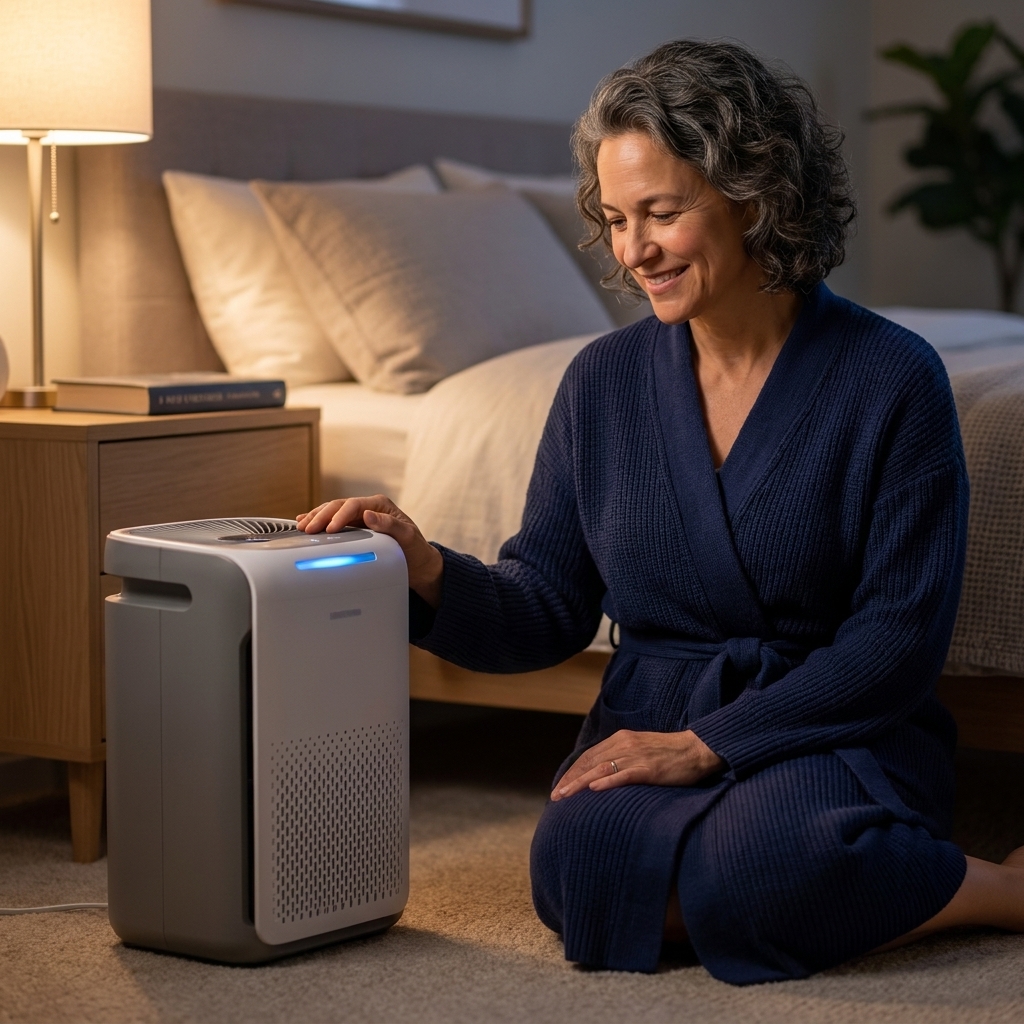
If you wake up congested, with a dry throat, or with itchy eyes, your sleep problem may actually be an air quality problem. Breathing effort and irritation may fragment sleep and make it harder to spend sustained time in deeper stages.
Clean air checklist
- Ventilation: If outdoor air quality is decent, crack a window or improve airflow before bed.
- Keep the bed zone clean: Wash sheets regularly. If allergies are an issue, consider washing bedding in hot water and using allergen-proof covers.
- HEPA filtration: A small HEPA air purifier in the bedroom can help with dust and pollen if you are sensitive.
- Pet boundaries: If you love your pets but your sleep is struggling, experiment with pets off the bed first, then pets out of the room if needed.
- Skip strong scents: Candles, heavy room sprays, and some diffusers can be irritating or stimulating for sensitive sleepers. If you use scent, keep it subtle and discontinue if you notice congestion or headaches.
Bed setup
Deep sleep is not just about the room. It is also about how your body feels in the bed. Pain, pressure points, and overheating are common reasons people wake up and struggle to settle back into deeper sleep cycles.
Comfort checklist
- Pillow alignment: Your neck should feel neutral, not cranked up or dropped down. Side sleepers often need a thicker pillow than back sleepers.
- Mattress support: If you wake with back or hip pain, consider a supportive topper before replacing the entire mattress.
- Layer for flexibility: Instead of one heavy blanket, use layers you can adjust during the night.
- Keep water nearby: A small sip can prevent a full get-up if you wake with a dry mouth, but try not to overdo it if nighttime bathroom trips are a problem.
Your 10-minute checklist
If you want the fastest route to a noticeably calmer sleep environment, work through this in order:
- Set temperature: Cool the room (aim toward 60 to 67°F if tolerated).
- Darken: Turn off overhead lights, dim lamps, close curtains, eliminate LED glare.
- Stabilize sound: Add steady white noise or fan sound.
- Declutter one surface: Clear the nightstand or floor next to the bed to reduce mental noise.
- Prep tomorrow: Put clothes, keys, or a bag where you need them so your brain stops rehearsing.
My favorite rule: If a change makes your bedroom feel more like a recovery space and less like a command center, it is probably helping.
Troubleshooting
I fall asleep fine but wake up at 2 to 4 a.m.
Check room temperature first. Many bedrooms warm up in the early morning hours. Also look for early dawn light leaking in, and consider a steady noise masker if a neighbor or street noise ramps up later at night.
Blackout curtains make me feel anxious
Try a gradual approach: room-darkening curtains plus a comfortable sleep mask, or keep a dim, warm nightlight in an adjacent hallway so the space feels safe but still sleep-friendly.
White noise annoys me
Use a fan for softer sound, or try brown noise, rainfall, or a simple air sound at a low volume. The goal is not loud masking. It is a consistent background.
I cannot make my room cool enough
Focus on your bed microclimate: breathable sheets, lighter duvet, a fan aimed to circulate air, and a cooling pillow. Even a shower earlier in the evening and avoiding heavy blankets can reduce heat load.
I sleep during the day
If you are a shift worker or a new parent grabbing sleep when you can, treat daytime sleep like nighttime sleep. Prioritize blackout curtains plus a sleep mask, use steady white noise to smooth out daytime sounds, and cool the bedroom ahead of your sleep window. If your home heats up during the day, a fan and breathable bedding can do more than you would think.
When to get extra support
Environment changes can help a lot, but they are not the whole story. If you have loud snoring, gasping, frequent morning headaches, restless legs sensations, or daytime sleepiness that feels out of proportion, consider talking with a healthcare professional. Sleep apnea and other sleep disorders can block deep sleep no matter how perfect your room is.
For everyone else, start with the basics above and give it a couple of weeks. Deep sleep often improves as your body learns that bedtime is consistently cool, dark, and quiet enough to let go.