Build a calmer nighttime routine with 10 evidence-based habits that quiet your mind and set you up for deeper, more restorative sleep.
Calma Path
October 18, 2026
Updated October 18, 2026
Are Sleep Trackers Accurate?
Wearables can estimate sleep, but they are not perfect. Learn what your sleep tracker gets right, where it guesses, and how to use your sleep score to improve real rest.

Written by
Maya Reynolds
Maya Reynolds is a registered nurse turned wellness educator who specializes in translating clinical research into accessible, everyday health habits. She is passionate about helping people sustainably improve their fitness, sleep, and nutrition without the pressure of toxic wellness culture.
When I was a bedside nurse working rotating shifts, I would wake up already tired and immediately check anything that could tell me why. At different points, that “anything” was a notebook, a sleep app, and eventually a wearable. Seeing a score felt reassuring, like I could finally measure the problem.
Here’s the reality: most sleep trackers are pretty good at estimating sleep timing (roughly when you fell asleep, when you woke up) and much less reliable at sleep stages (deep, REM, light). That does not make them useless. It just means you will get the best results when you treat wearable sleep data as feedback, not a verdict.
One more thing to name up front: if sleep data makes you more anxious and you sleep worse because of it, you are not alone. There’s even a term for it, orthosomnia, which is when tracking turns into chasing “perfect” sleep and backfires.
This article will help you understand what your device is actually measuring, where it tends to be wrong, and how to use your sleep score to make changes that help you feel better, not more stressed.
What trackers can and cannot do
What they do well
- Sleep duration: often reasonable estimates of total sleep time, especially for tracking your own trends over weeks. Accuracy can vary by device, algorithm, and how fragmented your sleep is.
- Sleep schedule: usually decent at capturing your general bedtime and wake time when there are clear transitions (you get into bed, you settle, you get up and move around). They can be less accurate when you are awake but still.
- Trends over time: patterns across weeks and months can be very useful, even if a single night is a little off.
Where they struggle
- Sleep stages: “deep” and “REM” are educated guesses based on movement and heart rate patterns, not direct brain wave measurement.
- Quiet wakefulness: if you are awake but still (staring at the ceiling, meditating, reading without moving), many wearables may count that as sleep.
- Restless sleepers: if you move a lot in your sleep, some devices may underestimate your sleep time.
- Diagnosing medical sleep disorders: consumer trackers are not diagnostic tools for insomnia, sleep apnea, narcolepsy, seizures, or heart rhythm disorders.
If you remember one thing, make it this: a wearable can support your sleep habits, but it cannot replace how you feel or a proper medical evaluation when symptoms are concerning.
How wearables estimate sleep
Most popular wearables estimate sleep using a mix of sensors:
- Accelerometer: detects movement and stillness. This is the backbone of most sleep detection.
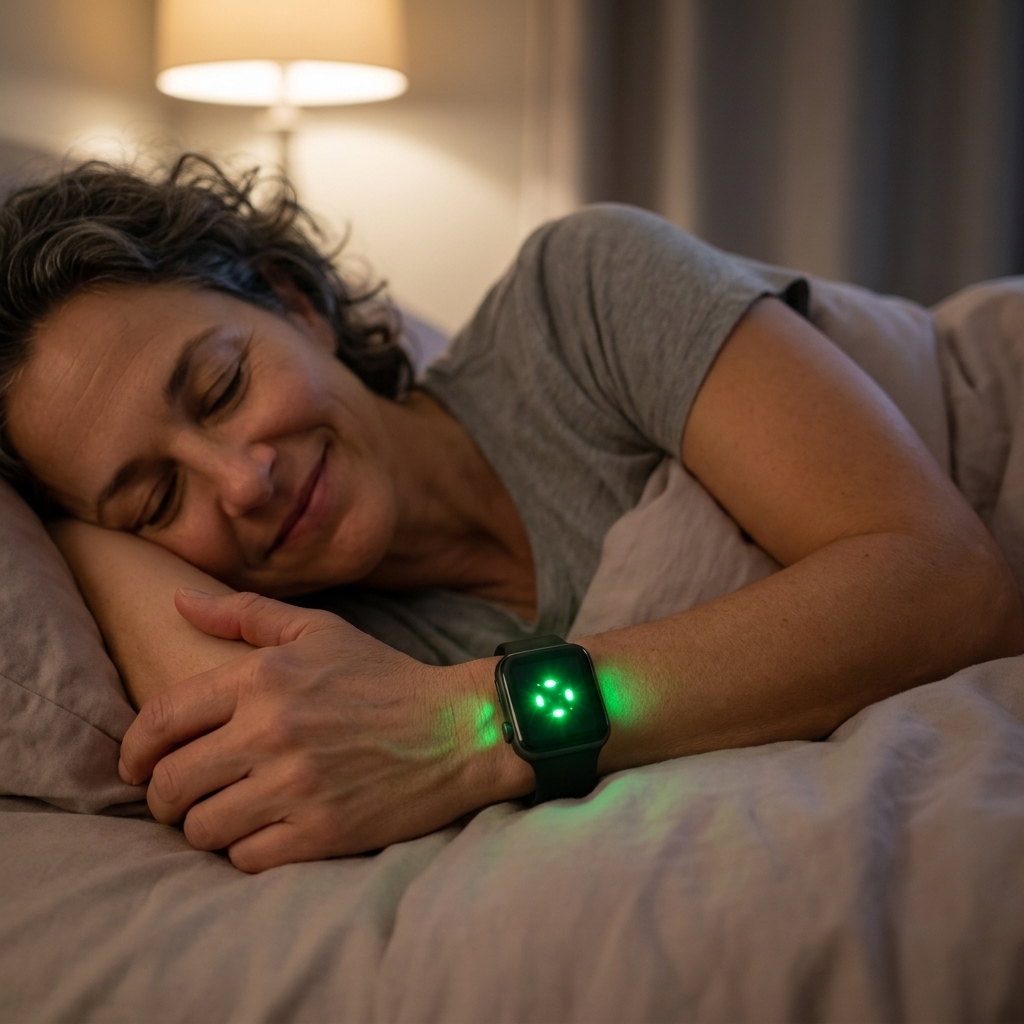
- Optical heart rate (PPG): estimates heart rate and heart rate variability (HRV) by sensing blood flow changes in the wrist. Signal quality can vary with skin contact, circulation, motion, and device fit.
- Skin temperature (some devices): can capture small shifts that often track with circadian rhythm and illness.
- Blood oxygen (SpO2) (some devices): may flag possible breathing disruptions, but results vary and can be affected by fit, motion, and individual factors.
- Microphone (some phone-based apps): may record snoring or movement sounds, with privacy considerations.
In a sleep lab, sleep stages are scored using EEG (brain waves), plus eye movements and muscle tone. Wrist wearables do not measure EEG. So when your app labels something “REM,” it is essentially saying: your body signals look like patterns that often show up during REM. That can be directionally useful, but it is not definitive.
So, are trackers accurate?
In plain language: they are often accurate enough to be helpful for habits, and not accurate enough to obsess over night-to-night stage percentages. Accuracy varies by brand and model, and it can vary by person, too. Age, sleep fragmentation, circulation, movement, and how you wear the device can all change what the sensors pick up.
When researchers compare consumer wearables to a sleep lab study (polysomnography), a common finding is:
- They tend to overestimate sleep by counting still wakefulness as sleep.
- They do better detecting sleep than detecting wake during the night.
- Stage classification is the weakest link, especially distinguishing light vs deep sleep.
If your device says you got “poor sleep” but you feel genuinely rested, trust your body. If it says you slept great but you feel wrecked, that is information too. It may point to things wearables cannot see well, like fragmented sleep, breathing disruptions, medication effects, alcohol, or stress.
What “deep” and “REM” mean
Deep sleep
Deep sleep (slow-wave sleep) is generally associated with physical restoration. It also tends to overlap with pulses of growth hormone, especially earlier in the night, and it changes across the lifespan (most people get less deep sleep as they age). Your tracker’s deep sleep estimate is often influenced by low movement and slower heart rate. That means it can be thrown off by:
- Sharing a bed with a partner or pet that jostles you
- A loose watch band
- Sleeping with your arm under a pillow (changes sensor contact)
- Stress or late caffeine that raises heart rate
REM sleep
REM is associated with learning, memory processing, and emotional regulation, but sleep is complicated and these functions are not exclusive to REM alone. REM also tends to cluster more in the second half of the night. Trackers often infer REM when heart rate becomes more variable and movement is low.
Use stage data as a pattern, not a scorecard. If you consistently see low REM and you also have late bedtimes, heavy evening alcohol, or frequent wake-ups, that is a useful connection to explore. If one night looks weird, it is probably just noise.
Why your tracker may be wrong
- Poor fit: a band that is too loose can reduce signal quality. A band that is painfully tight can also cause issues and is not necessary.
- Cold hands: circulation changes can make optical sensors struggle.
- Lots of motion: tossing and turning, bedtime scrolling, or falling asleep on the couch.
- Sleep position: pressure against the sensor can change readings.
- Alcohol: can increase heart rate and fragment sleep, sometimes making stage estimates look odd.
- Illness: fever and inflammation can alter heart rate, temperature, and HRV.
- Medications: many meds affect REM, movement, heart rate, and alertness in ways a wearable cannot interpret clinically.
If accuracy matters to you, the simplest upgrade is often not a new device. It is consistent wear (same wrist, snug fit), steady sleep window, and turning on sleep mode or scheduling sleep times in your app.
Measurement hygiene
- Keep the sensor clean: wipe the back of the device occasionally. Lotions and sweat buildup can interfere with readings.
- Improve skin contact: snug, comfortable fit with the sensor flat against skin.
- Know what can block the signal: tattoos under the sensor area and low perfusion can reduce PPG accuracy for some people.
- Be consistent about start and stop: if you manually start sleep tracking, do it when you are actually trying to sleep, not when you first get in bed to scroll.
How to use your sleep score
Sleep trackers are best used as a behavior change tool, not a nightly grade. I like this approach:
1) Start with your day, not your data
Before you check the app, ask:
- How sleepy do I feel right now, 0 to 10?
- How is my mood?
- How is my energy at 2 pm most days?
Then look at the tracker. You are training yourself to trust your body first.
2) Focus on timing, duration, continuity
- Timing: Are you sleeping at roughly the same hours most nights?
- Duration: Are you close to your personal sweet spot (often 7 to 9 hours for adults)?
- Continuity: Are you waking up often or for long stretches?
Most “sleep scores” are built on these foundations, even if the app calls them different names.
3) Look for weekly patterns
A single night can be affected by late dinner, a stressful conversation, a hard workout, or your dog jumping off the bed at 3 am. Review your 7 to 14 day trend and connect it to real life: travel, alcohol, training volume, screen time, or work stress.
If your sleep score ruins your morning, it is not a wellness tool anymore. It is just another stressor in disguise.
Improve your numbers and sleep
If your tracker is consistently showing short nights, lots of awakenings, or poor recovery, here are habit upgrades that actually move the needle. Pick one or two, not all ten.
Make wake time consistent
For circadian rhythm, a stable wake time is often more powerful than a perfect bedtime. Aim for a wake time within about an hour, even on weekends. If that sounds impossible, start with 2 to 3 days per week.
Get bright light early, dim light late
- Morning: step outside soon after waking for natural light. Even a short walk helps.
- Evening: lower overhead lights and reduce bright screens 1 to 2 hours before bed when you can.
Experiment with caffeine timing
Caffeine can linger longer than people expect, and sensitivity varies a lot. If you have trouble falling asleep, experiment with a cutoff 8 to 10 hours before bed, then adjust based on how you feel. Some people do fine with 6 hours. Others need 10 or more.
Protect your wind-down
Your nervous system needs a ramp, not a cliff. A simple 15 to 30 minute wind-down might include a shower, stretching, reading, or a brain dump list for tomorrow.
Keep alcohol honest
Even when alcohol helps you fall asleep, it can reduce sleep quality later in the night. If your tracker shows a pattern of higher resting heart rate and more awakenings after drinking, that is a strong nudge to reduce frequency, amount, or timing.
Train smart
Hard training can improve sleep long-term, but overreaching can raise nighttime heart rate and reduce recovery. If your HRV drops and resting heart rate rises for several days alongside worse sleep, consider the full context. Illness, dehydration, travel, stress, and alcohol can cause the same pattern. In general, it may be time for an easier session, more calories, more hydration, and an earlier bedtime.
Red flags to take seriously
Wearables can sometimes prompt the right next step: getting real medical help. Consider talking with a clinician or sleep specialist if you have:
- Loud snoring, choking, or gasping during sleep
- Witnessed breathing pauses
- Excessive daytime sleepiness even with adequate time in bed
- Morning headaches or dry mouth most days
- High blood pressure, especially if it is hard to control
- Falling asleep while driving or at work
- Severe insomnia lasting more than a few weeks
If you suspect sleep apnea, ask about a formal evaluation. Some devices can hint at risk, but they cannot diagnose it. Also, sleep apnea can occur without loud snoring, so do not use silence as a pass.
Quick tips by device type
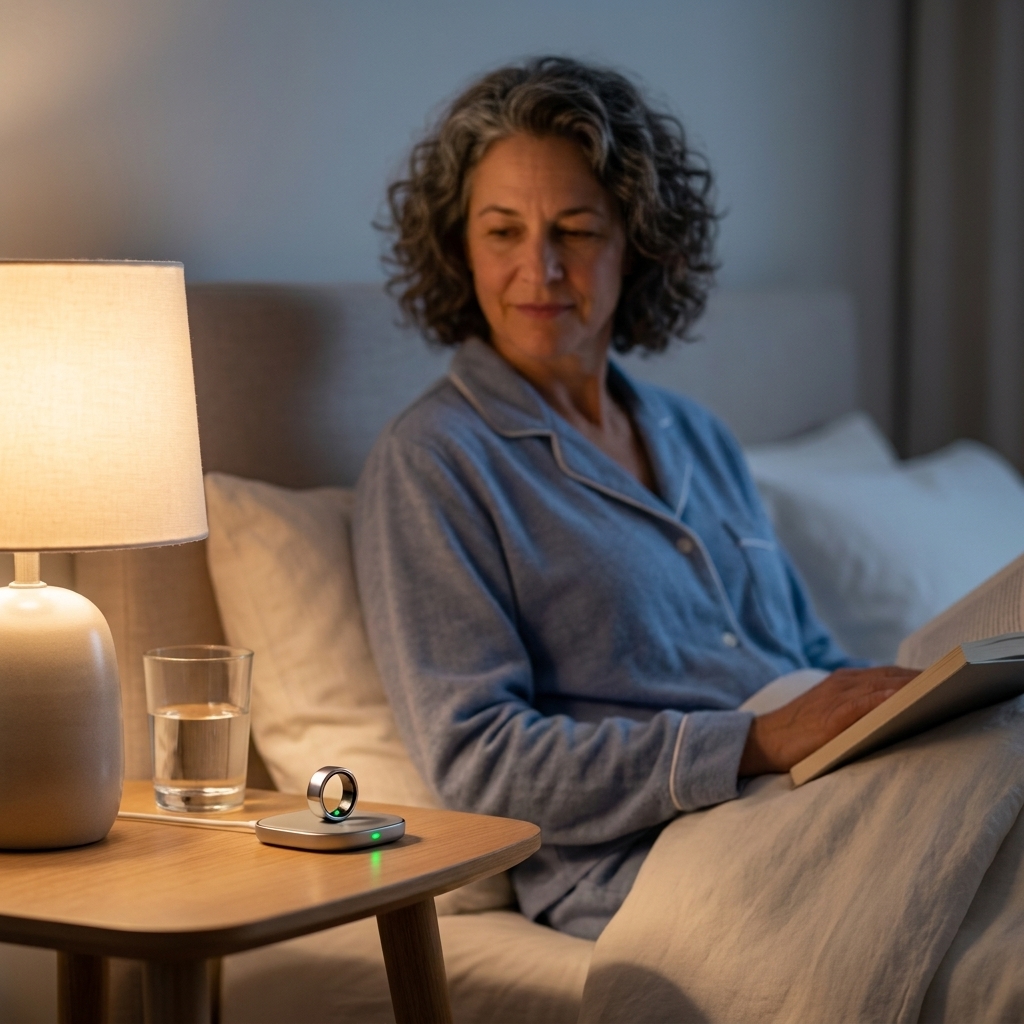
Smartwatches and rings
- Wear consistently on the same finger or wrist for cleaner trends.
- Charge earlier in the evening so you do not skip tracking.
- If your device offers “sleep schedule” settings, use them. It improves detection for many people.
Fitness bands
- These can be excellent for sleep timing and basic recovery metrics.
- They often have strong accelerometer data, which helps with sleep and wake detection.
Phone-only sleep apps
- If the phone is on the mattress, movement data can be affected by partners and pets.
- Microphone features may capture snoring, but keep privacy and data storage in mind.
FAQ
Why does my tracker say I was awake when I do not remember it?
Brief awakenings are normal and often not stored in memory, especially if they are under a minute or two. A tracker may flag them based on movement or heart rate changes. Look at the pattern. A few is normal; many long awakenings may be worth addressing.
Why does my tracker say I was asleep when I was clearly awake?
Quiet wakefulness can look like sleep to a wrist sensor. If this happens often, try starting sleep tracking when you actually intend to sleep, and avoid long periods of motionless scrolling in bed.
Should I try to increase deep sleep and REM?
Instead of chasing a target number, focus on habits that reliably support sleep architecture: consistent schedule, enough time in bed, less alcohol close to bedtime, and a calmer wind-down. Stages often improve as a byproduct, and “normal” ranges are wider than most apps imply.
Can I use my tracker to diagnose insomnia?
No. Insomnia is a clinical condition based on symptoms, daytime function, and duration, not a wearable graph. A tracker can provide context, but diagnosis and treatment should come from a clinician. Evidence-based therapy like CBT-I is often very effective.
What is the best metric to watch?
For most people: total sleep time, sleep schedule consistency, and how you feel during the day. If your device provides resting heart rate and HRV, those can be helpful trend markers for recovery when interpreted gently and in context, not obsessively.
A simple, sane system
If you want a low-stress system, try this for two weeks:
- Pick one goal: consistent wake time, earlier lights-out, or fewer late-night drinks.
- Check your data twice a week: not every morning.
- Track one outcome: midday energy or mood.
Your tracker is a tool, not a judge. The win is not a perfect score. The win is waking up and feeling like yourself again, more often than not. Feedback, not a verdict.