Circadian biology shapes performance and sleep. Here’s what research suggests about morning vs evening workouts for strength, fat loss, and better rest, pl...
Calma Path
October 18, 2026
Updated October 18, 2026
Working Out Before Bed: Does It Ruin Your Sleep?
Late-night workouts are not always a sleep killer. Learn what research suggests about exercising before bed, who should be cautious, and how to time intensity, food, caffeine, and light for better sleep.

Written by
Maya Reynolds
Maya Reynolds is a registered nurse turned wellness educator who specializes in translating clinical research into accessible, everyday health habits. She is passionate about helping people sustainably improve their fitness, sleep, and nutrition without the pressure of toxic wellness culture.
If you have ever finished a workout at night and then lay in bed feeling wired, you are not imagining it. Exercise can raise body temperature, heart rate, and stimulating hormones for a while. But here is the twist: for many people, evening exercise does not ruin sleep, and it can even support it.
As a former bedside nurse who spent years trying to sleep at odd hours, I have a soft spot for anything that helps real humans move their bodies without turning bedtime into a battle. Let’s walk through what research suggests about late-night workouts, how sleep architecture is affected, and how to time your sessions so you get the benefits without the 2 a.m. stare-at-the-ceiling special.
What counts as late
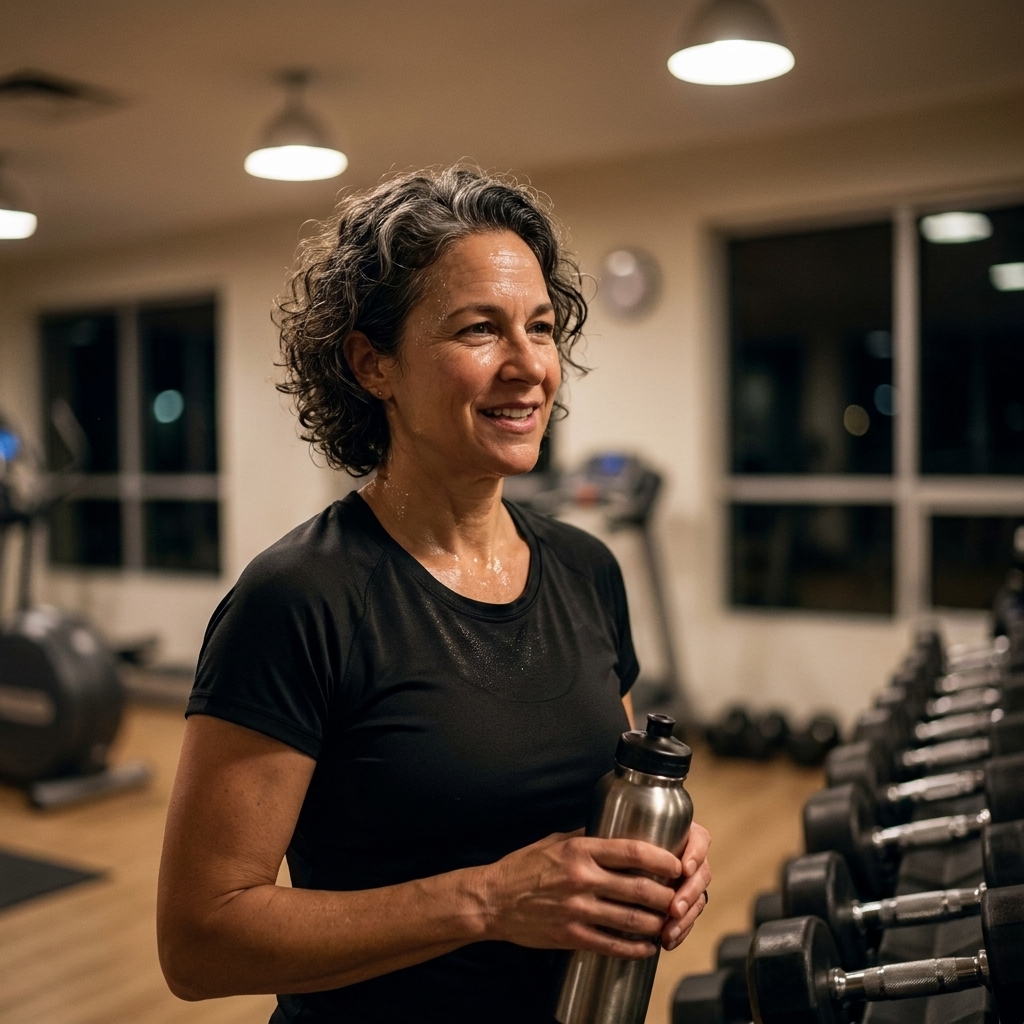
In sleep research, “late” exercise is commonly defined as a workout that ends within roughly 1 to 4 hours of bedtime. (The exact cutoff varies by study, but the main idea is the same: you are exercising during the normal wind-down window.)
That range matters, because your body tends to follow a predictable evening sequence:
- Core body temperature gradually drops.
- Melatonin rises, helping cue sleepiness.
- Heart rate and nervous system arousal settle.
A workout can temporarily push those signals in the opposite direction. Whether that disrupts your sleep depends on the intensity, timing, light exposure, stimulants, and your own sensitivity.
What research suggests
For years, standard sleep advice warned against exercising at night. Newer research is more nuanced. In general:
- Moderate exercise in the evening usually does not harm sleep for most people, and may slightly improve sleep quality.
- Vigorous exercise very close to bedtime is more likely to delay sleep onset or worsen perceived sleep quality, especially in people already prone to insomnia.
Sleep stages
Sleep architecture refers to how your night is divided between light sleep, deep sleep (slow-wave sleep), and REM sleep. The reassuring news is that evening exercise does not consistently wreck these stages in healthy adults.
What seems to matter most is how close you exercise to bedtime and how hard you go. Vigorous sessions ending within about an hour of bed are the most common setup for trouble falling asleep, mainly due to lingering physiological arousal.
Why some people sleep better
Exercise can reduce anxiety, improve mood, and increase sleep drive through energy expenditure. For some bodies, the mental decompression from moving after work is exactly what helps them fall asleep faster.
Why some people feel wired
If you are sensitive, late workouts can act like a second daytime. Common reasons:
- Sympathetic nervous system activation stays elevated (the fight-or-flight branch).
- Core temperature remains high for longer.
- Bright light exposure delays melatonin timing for many people, especially with brighter, cooler-spectrum light and in people who are more light-sensitive.
- Stimulants like pre-workout, energy drinks, or too much caffeine linger.
Intensity matters
Timing matters, but intensity often matters more. Use this as a practical rule of thumb, not a rigid rule.
Often sleep-friendly
These tend to be easier to tolerate even if you finish within 1 to 2 hours of bed:
- Easy walking
- Gentle cycling
- Mobility work
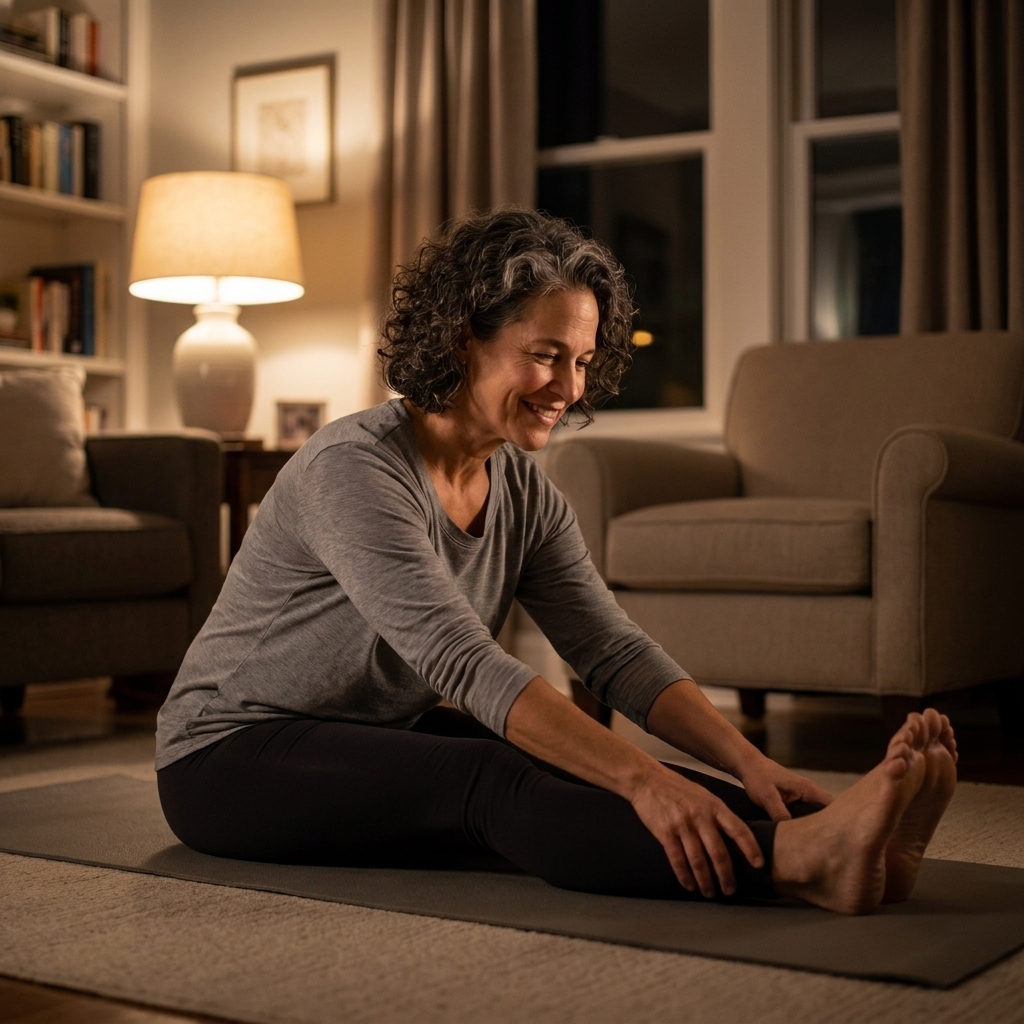
- Yoga that stays slow and grounded
- Light resistance training with longer rest and no pushing to failure
More likely to interfere
These are more likely to cause trouble if you finish within 0 to 1 hour of bed:
- HIIT or sprint intervals
- Hard runs or intense spin classes
- Competitive sports with adrenaline spikes
- Heavy lifting taken near max effort, especially with short rest
This does not mean you should never do those workouts at night. It means you may do better if you finish them earlier in the evening, or you build in a wind-down buffer afterward.
How to time it
If evenings are the only time you can exercise, I want you to hear this clearly: that is not a failure, and you do not need to optimize your life into misery. You just need a few guardrails.
1) Leave a buffer
If intense workouts tend to amp you up, aim to finish 90 to 120 minutes before bed. That window is a widely used, evidence-informed cushion that gives heart rate and core temperature time to trend back down.
2) Do an actual cool-down
The biggest mistake I see is treating the last hard interval as the finish line. Try:
- 5 to 10 minutes easy movement (slow cycling, walking)
- 2 to 5 minutes nasal breathing while stretching
- One quick shower (warm is fine, but keep it relaxing, not scalding)
3) Dim the lights after
Bright light in the late evening can delay melatonin release, depending on the brightness, spectrum, timing, and the person. If you work out at home, dim the lights afterward. If you drive home from a brightly lit gym, try to keep the rest of the night low light.
4) Eat and drink smart
Late workouts can make people ravenous, and going to bed hungry can also backfire. The goal is enough, not a giant feast.
- If you ate dinner earlier: consider a small post-workout snack with protein plus carbs, like Greek yogurt with berries, cereal with milk, or a banana with peanut butter.
- If reflux is an issue: keep it smaller and finish at least 60 minutes before lying down.
- Hydration: rehydrate, but try not to chug a huge bottle right before bed unless you love 3 a.m. bathroom trips.
5) Watch stimulants
If you train after work, the caffeine in pre-workout can easily be the hidden reason you cannot sleep. Caffeine’s half-life is often cited around 3 to 7 hours, and some people metabolize it even more slowly. If you want a performance boost at night, consider non-stimulant options like a small carb snack, a longer warm-up, or music that hypes you up without pharmacology.
By workout type
Strength training
For many people, lifting in the evening is surprisingly sleep-friendly, especially when it is not a maximal, adrenaline-heavy session. If heavy lifting late keeps you wired, try:
- Stopping 1 to 2 reps shy of failure
- Using slightly longer rest periods
- Ending with a 5-minute cool-down walk
Cardio
Steady, moderate cardio often goes well. Hard intervals close to bed are the bigger issue. If you love HIIT, moving it earlier is the cleanest fix.
Yoga and stretching
Gentle yoga can be a powerful bridge into sleep, especially if it emphasizes longer holds, slow breathing, and relaxation. Hot yoga late at night can be tricky for some because temperature and intensity are higher.
Shift workers
If you work nights or rotate shifts, the question is less “before bed” and more “before your biological night.” A few practical anchors help:
- Exercise relative to your sleep window: try to avoid the most intense sessions in the final 60 to 90 minutes before your main sleep period, even if that sleep happens at 9 a.m.
- Use light on purpose: bright light during your “day” can help you feel alert, but protect the hour before sleep with dimmer, warmer light when possible.
- Keep a repeatable wind-down: a short cool-down, a shower, and a consistent pre-sleep routine can matter more than the clock time on the wall.
Who should be cautious
Evening exercise is not one-size-fits-all. You may need more caution or a longer buffer if you:
- Have insomnia or tend to take more than 30 minutes to fall asleep
- Are dealing with high anxiety or panic symptoms
- Have reflux or GERD that worsens when you eat late
- Are in a high-stress season where your baseline nervous system arousal is already elevated
- Notice a clear pattern where late intensity equals poor sleep
If that is you, I would not automatically tell you to stop exercising at night. I would start by changing one variable at a time: intensity, timing, caffeine, cool-down, or light exposure.
If you have a cardiovascular condition, are pregnant, or take medications that affect sleep or heart rate, it is worth checking in with a clinician about the safest way to time and scale evening training.
A sleep-friendly routine
If you want a plug-and-play approach, here is a realistic flow that works for a lot of people:
- Workout: 30 to 60 minutes, keep intensity moderate if you are within 2 hours of bed
- Cool-down: 5 to 10 minutes easy walk or cycle
- Shower: quick, warm, relaxing
- Snack (optional): small protein + carb if you are hungry
- Lights: dim for the final hour
- Wind-down: 5 minutes of slow breathing or a short stretch sequence
If your choice is exercise at 8:30 p.m. or do not exercise at all, the healthier choice for most people is still to move your body. You can refine the details as you go.
FAQ
How close to bedtime can I work out?
Many people tolerate moderate exercise that ends about 60 to 90 minutes before bed. If you are doing intervals or very heavy lifting, a 90 to 120 minute buffer is often more comfortable. Treat these as starting points and adjust based on what your sleep does in real life.
Why do I sometimes feel sleepy after?
That can be a mix of reduced stress, increased sleep drive, and the natural post-exercise come-down once your nervous system settles. If you are sleeping well afterward, that is a good sign your body handles evening training well.
Is it bad to shower after a night workout?
A warm shower can help you relax. If you struggle to fall asleep after night workouts, keep the shower comfortable rather than very hot, and avoid super bright bathroom lighting afterward.
Does evening exercise reduce melatonin?
Exercise does not necessarily block melatonin in most people. That said, very intense late workouts can affect circadian timing for some, and bright light exposure after training is a common culprit. Keeping lights lower after your workout can help protect your natural melatonin rise.
What if night workouts are my only option?
Work with reality. Keep caffeine earlier in the day, use a real cool-down, reduce light exposure after training, and experiment with dialing intensity slightly down on weeknights. Consistency beats the perfect schedule.
Should I trust my wearable?
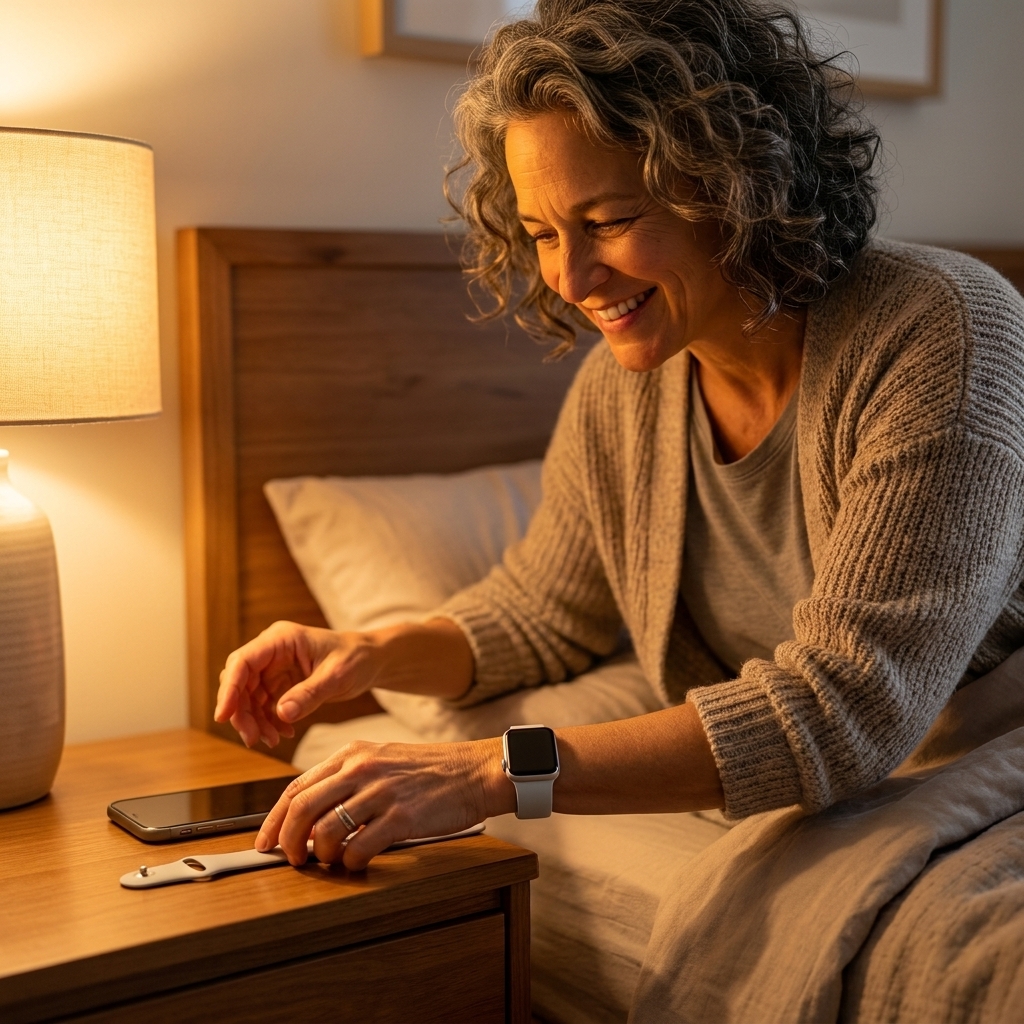
Wearables can be useful for patterns, but they are not perfect at measuring sleep stages. If you are troubleshooting, prioritize what you can feel and track: how long it takes to fall asleep, nighttime awakenings, and how rested you feel in the morning.
Bottom line
Working out before bed does not automatically ruin sleep. For many people, evening exercise is neutral or even beneficial, especially if intensity is moderate and you build in a wind-down routine. If late workouts leave you wired, the fix is usually not quitting movement. It is adjusting intensity, adding a buffer, managing light, and skipping late-day stimulants.
To troubleshoot your own pattern, focus on three checkpoints: what time you finish your workout, how intense it is, and whether caffeine or bright light is in the mix afterward. Change one variable for a week, track sleep latency and how you feel the next day, and you will usually find your personal sweet spot.