Not all rest days are the same. Learn when to move, when to truly rest, and how to use both to support muscle growth, reduce soreness, and prevent injury.
Calma Path
October 18, 2026
Updated October 18, 2026
Boost Your NEAT (No Gym Required)
Increase your NEAT to burn more calories through everyday movement. Practical, science-informed ways to sit less, walk more, and feel better without adding workouts.

Written by
Maya Reynolds
Maya Reynolds is a registered nurse turned wellness educator who specializes in translating clinical research into accessible, everyday health habits. She is passionate about helping people sustainably improve their fitness, sleep, and nutrition without the pressure of toxic wellness culture.
When most people think about “burning calories,” they picture sweaty workouts and punishing cardio. But total daily energy expenditure is bigger than workouts alone. It includes your resting metabolic rate (what you burn at rest), the thermic effect of food (digesting), formal exercise, and all the movement you do that is not formal exercise.
That last piece is NEAT, short for Non-Exercise Activity Thermogenesis. It includes things like walking while you take a call, carrying groceries, cleaning the kitchen, pacing while your coffee brews, even fidgeting. And the best part is that NEAT is modifiable. You can gently build more movement into your day without needing more willpower, more time at the gym, or a new identity as a “fitness person.”

Calma Path mindset: NEAT is not about “earning” food or shrinking your body. It is about giving your physiology what it expects: frequent, low-level movement that may support steadier energy, less stiffness, and better day-to-day mood.
What NEAT is (and why it matters)
NEAT is the energy you burn through daily activities that are not intentional workouts. Think:
- Standing up to refill your water
- Taking the stairs
- Parking farther away
- Walking your dog
- Doing laundry, cooking, tidying
- Walking through a store
Why it matters: NEAT can vary dramatically between people depending on job type, commute, home responsibilities, and habits. Two people can do the same 30-minute workout, eat similarly, and still have very different daily energy burn because one sits most of the day while the other moves frequently.
I like NEAT because it is often the most sustainable lever. Intense workout plans can be great, but they are also the first thing to fall apart during high-stress seasons. NEAT, on the other hand, can stay stable through busy weeks if you design it into your environment.
Start with a reality check
Before you add anything, look at your day through a compassionate lens. NEAT is easiest to increase in in-between moments:
- Transition moments: between meetings, after using the bathroom, while food heats up
- Low-focus moments: phone calls, listening to training videos, brainstorming
- Built-in tasks: chores, errands, commuting
If you are currently exhausted, injured, or chronically sleep-deprived, start smaller than you think you “should.” Consistency beats intensity here.
High-impact ways to boost NEAT
1) Use movement snacks
A movement snack is 1 to 5 minutes of light activity. It is tiny on purpose. Try:
- Walk to the farthest bathroom at work
- Do a quick lap around your home
- Stand up and do 10 slow bodyweight squats to a chair
- Calf raises while brushing your teeth
- Carry a laundry basket upstairs and back down
Make it automatic: attach one movement snack to something you already do frequently, like refilling water, making coffee, or opening your inbox.
2) Turn calls into steps
If you take even one call a day while walking, it can add up quickly. Options:
- Walk outdoors for light exposure and a mental reset
- Pace indoors if weather or safety is a barrier
- Do slow laps in a hallway during a long meeting where you are mostly listening

3) Stand more, kindly
Standing burns a bit more energy than sitting, but the bigger win is that it often leads to more spontaneous movement. A few realistic ways:
- Stand for the first 5 to 10 minutes of each hour
- Stand while you scroll, check messages, or watch a short video
- Create one standing station at home: a counter, shelf, or high table
If you have back pain, varicose veins, POTS, or orthostatic intolerance, “just stand more” can backfire. In that case, use gentle walking breaks or seated mobility instead.
4) Make stairs the default
Stairs are one of the simplest ways to bump NEAT. You do not have to turn it into a workout. Start with:
- One flight per day, then gradually increase
- Take the stairs up, elevator down if your knees are cranky
- Use handrails and go slow, especially if you are deconditioned
5) Add carry tasks to normal life
Carrying is functional strength and NEAT at the same time. Examples:
- Carry groceries in one or two extra trips instead of one heavy haul
- Carry your laundry basket instead of dragging it
- Bring packages in one at a time
- Hold a moderately heavy item while you walk around tidying
If you have pelvic floor symptoms, hernias, or blood pressure concerns, keep loads lighter and prioritize comfort. If you have been told to avoid heavy lifting, follow your clinician’s guidance.
6) Make chores count
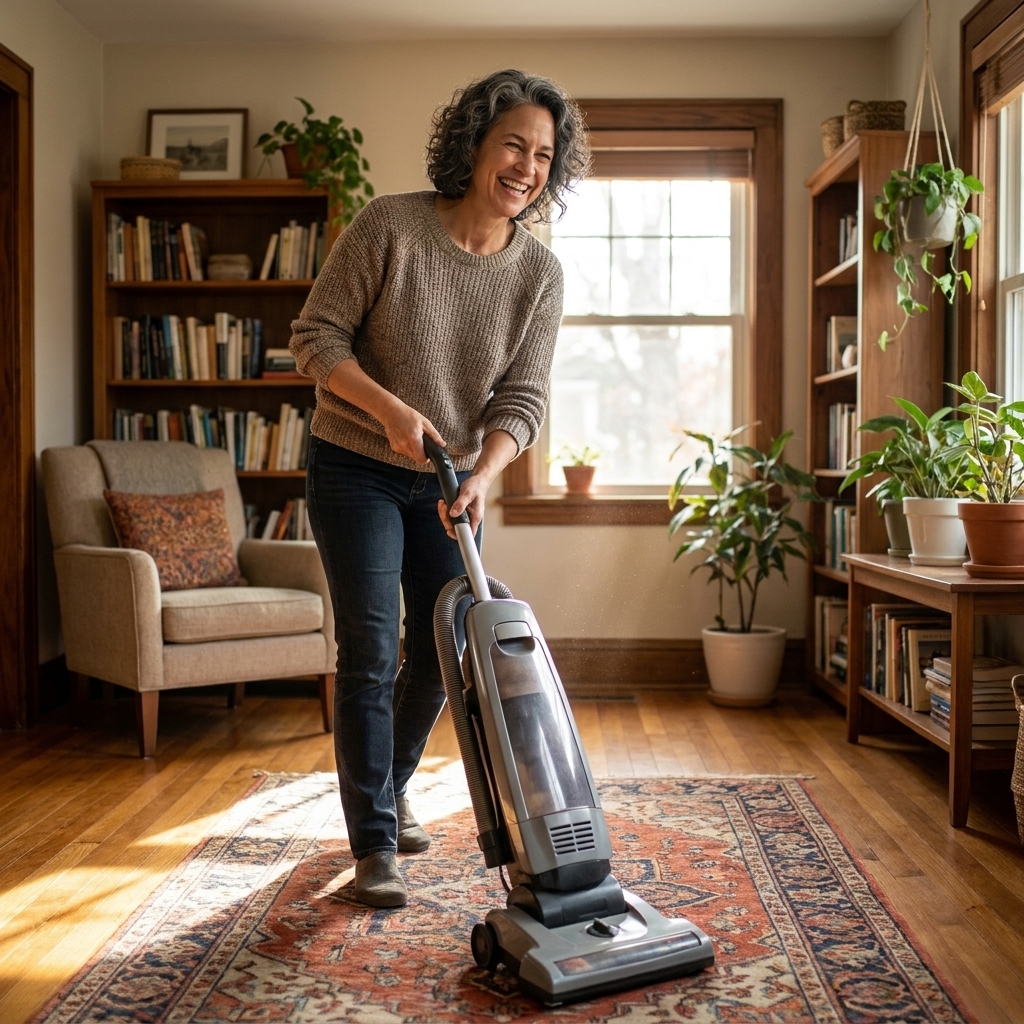
Chores are legitimate NEAT. Pick the ones that involve walking, lifting, or reaching:
- Vacuuming and mopping
- Yard work or gardening
- Hand-washing a few dishes instead of loading everything at once
- Putting laundry away immediately (more steps)
NEAT by lifestyle
If you work at a desk
- Micro-break rule: stand or walk 2 minutes every 30 to 60 minutes
- Print and walk: use a farther printer or bathroom
- Water strategy: use a smaller bottle so you refill more often
- Walking focus: take thinking walks for planning and problem solving
If you are a busy parent or caregiver
- Do a 5-minute tidy reset twice a day
- Walk during practices or appointments instead of sitting the whole time
- Make one errand “park far away on purpose”
- Turn play into movement: scavenger hunts, tag, dance breaks
If you have limited mobility or chronic pain
NEAT can still be part of your day, but it may look different:
- Seated marching, ankle pumps, gentle arm circles
- Frequent position changes: sit-to-stand with support, or chair to couch
- Short indoor walks with a cane or walker as needed
- Light household tasks broken into 1- to 3-minute chunks
Persistent pain, dizziness, or numbness deserves professional evaluation. You do not need to push through symptoms to benefit from movement.
Make NEAT easier than motivation
Most of us do what is easy in the moment. If you want more NEAT, make movement the path of least resistance.
Try these friction reducers
- Shoes visible: keep comfortable walking shoes by the door
- Set a gentle timer: one reminder per hour is enough for most people
- Place items farther away: printer, trash can, water refills
- Two-birds habits: pace while you wait for the microwave, kettle, or your kid to put on shoes
- Create a walking cue: after lunch = 5-minute stroll
A note on trackers
Step counters can be helpful if they feel neutral. If they trigger shame or all-or-nothing thinking, skip them. Your body still benefits from movement you do not quantify.
How much NEAT is enough?
There is no perfect number because bodies, jobs, and health conditions vary. Instead of chasing a single step goal, try these practical benchmarks:
- Break up sitting: aim to change position at least once per hour
- Add a daily walk: even 5 to 15 minutes counts
- Build repeatable habits: choose 2 to 3 NEAT habits you repeat most days
If you enjoy step goals, many people feel good somewhere in the broad range of 6,000 to 10,000 steps per day. Benefits can show up well below 10,000, and the best range depends on your age, baseline activity, and health.
If you want a realistic first bump, adding an extra 1,000 to 2,000 steps per day is often more doable than jumping straight to a big number.
Go slower than you think
If you are increasing walking after a long sedentary stretch or you have pain flare-ups, build gradually. A small increase each week is usually easier on joints, feet, and energy than a sudden jump.
Will boosting NEAT help with weight loss?
It can. Increasing NEAT may support a calorie deficit, and it can also make weight management feel more doable by supporting daily energy, sleep, and insulin sensitivity for some people.
Two important reality checks:
- NEAT is not a loophole. It helps, but it does not override nutrition, sleep, stress, hormones, medications, or medical conditions.
- Your body adapts. Some people naturally compensate by eating more or moving less later. The solution is not perfection. The solution is building movement into life in ways that feel genuinely doable.
NEAT vs exercise
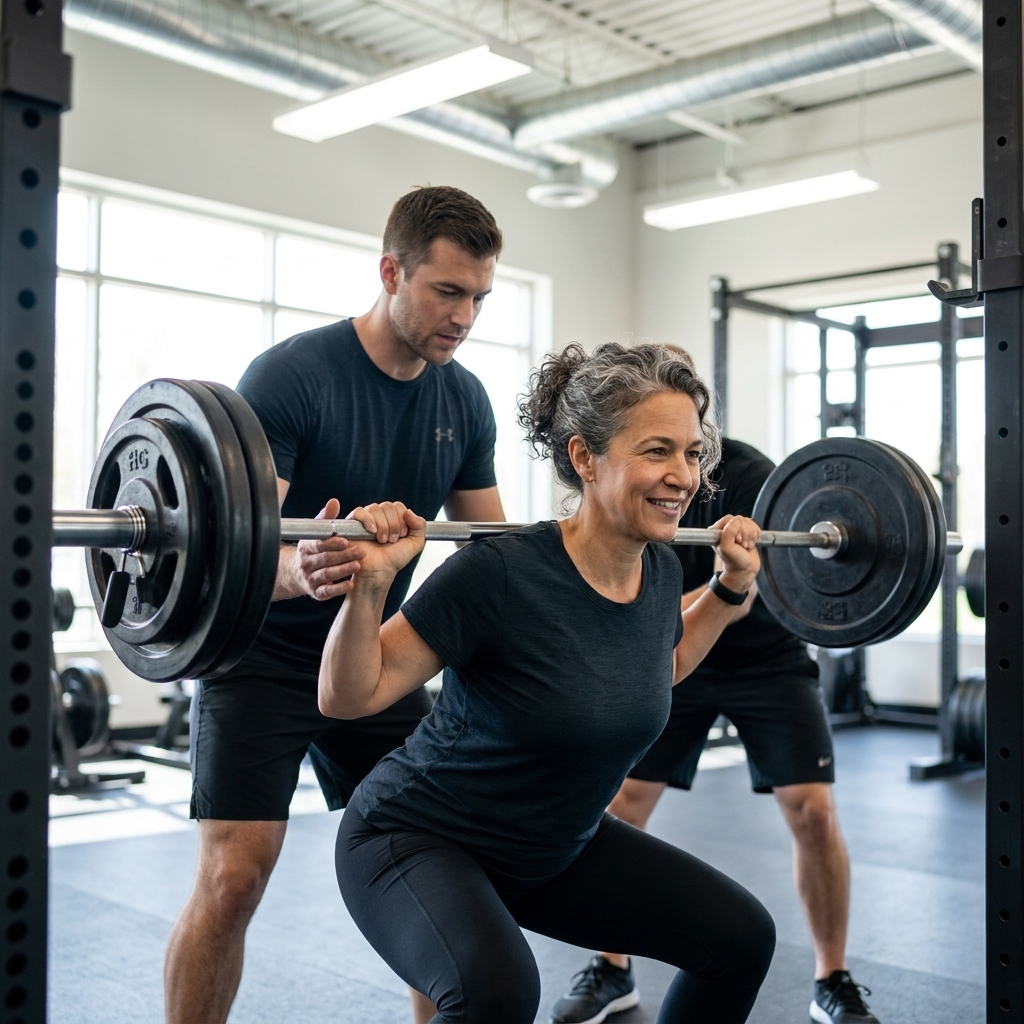
NEAT is powerful, but it is not a full replacement for intentional exercise. Strength training and cardio offer benefits NEAT may not fully cover, like building strength and supporting bone density and cardiorespiratory fitness. Think of NEAT as the foundation: the movement your body gets all day, not just during a workout window.
A simple 7-day NEAT plan
Use this as a starting point, not a contract.
Day 1 to 2: Add one cue
- After your first bathroom break of the day, take a 2-minute walk or do a lap at home.
Day 3 to 4: Add one anchor walk
- Walk 5 to 10 minutes after lunch or dinner.
Day 5: Add one standing habit
- Stand for the first 5 minutes of your workday or the first 5 minutes of each hour.
Day 6: Add one chore reset
- Pick a 5-minute tidy sprint: dishes, laundry, or vacuum one room.
Day 7: Choose your forever two
- Keep the two habits that felt easiest and most supportive. Drop the rest for now.
If this plan feels like too much, cut every time suggestion in half. If it feels too easy, add a second short walk. Your nervous system should feel supported, not bullied.
Common NEAT blockers
I forget to move
Use a single gentle reminder and attach movement to routines. Example: every time you refill water, you walk to the farthest sink.
I am too tired
Respect that signal. Choose lighter NEAT: a slow 2-minute stroll, stretching, or a few minutes of standing and deep breathing. Also consider whether sleep debt, iron deficiency, thyroid issues, depression, or overtraining could be contributing.
I have knee or back pain
Shorter, more frequent bouts often feel better than long walks. Consider supportive shoes, walking on flatter surfaces, and adding gentle strength work when appropriate. If pain is persistent or worsening, get assessed by a clinician or physical therapist.
I work long shifts
Shift workers may rack up a lot of steps on workdays and crash on off days. Focus on recovery-friendly movement on rest days: an easy walk, mobility, light errands. Recovery counts, too.
FAQ
Is NEAT the same as steps?
Steps are one piece of NEAT. NEAT also includes standing, carrying, cleaning, and any non-exercise movement that is not counted as a workout.
Does fidgeting really burn calories?
Small movements burn a small amount of energy, but they can add up across a whole day. More importantly, frequent movement breaks can support circulation and reduce stiffness.
Can I boost NEAT without a standing desk?
Absolutely. Standing desks are optional. You can increase NEAT with walking calls, short breaks, stairs, chores, and deliberate “park farther away” habits.
What if I already exercise regularly?
Then NEAT becomes your quiet advantage. Many people train hard and still sit for the other 23 hours of the day. A little extra daily movement can support recovery and overall metabolic health.
The takeaway
Boosting NEAT is one of the most realistic, least toxic ways to support your metabolism and overall health. You do not need to overhaul your life. Pick one or two small movement habits that fit your day, make them easy, and let consistency do the heavy lifting.
If you want a simple place to start today: take a 5-minute walk after one meal. That single habit can ripple out into better energy, a steadier mood, and a body that feels more like it belongs to you.