Not all rest days are the same. Learn when to move, when to truly rest, and how to use both to support muscle growth, reduce soreness, and prevent injury.
Calma Path
October 18, 2026
Updated October 18, 2026
HIIT vs. LISS Cardio
HIIT and LISS can both support fat loss and heart health, but they work differently. Learn the pros, cons, and how to combine them in a realistic weekly routine.

Written by
Maya Reynolds
Maya Reynolds is a registered nurse turned wellness educator who specializes in translating clinical research into accessible, everyday health habits. She is passionate about helping people sustainably improve their fitness, sleep, and nutrition without the pressure of toxic wellness culture.
If you have ever left a HIIT class drenched in sweat and thought, That has to be melting fat, you are not alone. And if you have ever taken a long walk, felt calmer, slept better that night, and wondered why it does not get the same hype, you are also not alone.
As a nurse, I watched people chase extremes: pushing too hard when they were already exhausted, or avoiding intensity completely because it felt intimidating. The truth is less dramatic and a lot more empowering: HIIT and LISS are both useful tools. The “better” choice depends on what you are trying to improve, how your body handles training stress, and what you can do consistently.

Calma Path take: The best cardio for fat loss and heart health is the one you can repeat week after week, while still sleeping well, recovering well, and feeling like yourself.
What HIIT and LISS are
HIIT: High-Intensity Interval Training
HIIT alternates short bursts of very hard effort with recovery periods. Think 20 to 60 seconds of near all-out work, followed by 40 to 120 seconds of easy movement or rest, repeated for multiple rounds.
- Intensity: High. You should be breathing hard and unable to speak more than a few words.
- Typical duration: 10 to 25 minutes (not counting warm-up and cool-down).
- Examples: Bike sprints, treadmill intervals, rowing intervals, kettlebell swing intervals, hill sprints, fast stair repeats.
LISS: Low-Intensity Steady State
LISS is continuous movement at a comfortable, steady pace. You can talk in full sentences. You could keep going for a while without needing to stop.
- Intensity: Low to moderate. A “brisk but sustainable” effort.
- Typical duration: 30 to 60 minutes (sometimes longer).
- Examples: Brisk walking, easy cycling, light jogging, incline treadmill walk, swimming at an easy pace.
Quick note on Zone 2: You will often hear “Zone 2 cardio” in fitness circles. Many LISS workouts fall into that Zone 2 neighborhood (easy to moderate, steady, nose-breathing possible), but the exact “zone” depends on your fitness level and how your heart rate responds.
HIIT vs. LISS for fat loss
Fat loss is not about choosing the “magic” workout. It comes down to energy balance over time, plus the behaviors that support it: appetite regulation, sleep, stress management, and muscle preservation.
Calorie burn: the part everyone focuses on
Minute for minute, HIIT often burns more calories during the workout because intensity is higher. But LISS can add up because it is easier to do longer and more frequently.
In real life, the best calorie burn is the one you will actually do consistently without burning out. A 15-minute HIIT session you dread and skip is less effective than a 40-minute walk you do five days a week.
“Afterburn” (EPOC): real, but often oversold
HIIT can increase post-exercise oxygen consumption, meaning you burn a bit more energy after the workout while your body recovers. This effect exists, but it is usually modest for most people compared with the overall weekly picture.
Appetite and recovery: the quiet deciding factors
Here is where the HIIT vs. LISS conversation gets personal:
- HIIT can blunt appetite in some people temporarily, but it can also leave others hungrier later in the day.
- HIIT is often more taxing overall, which means recovery demands are higher. If recovery is poor, cravings and fatigue tend to rise.
- LISS can feel more appetite-neutral for some people because it is less disruptive and can support better sleep and mood.
If you are in a season of high stress, poor sleep, perimenopause symptoms, or burnout, LISS may support fat loss better simply because it is easier to recover from. This is not a willpower issue. It is physiology and total load.
Muscle matters for fat loss
Neither HIIT nor LISS replaces strength training for body composition. If fat loss is your goal, the most sustainable setup is usually:
- Strength training 2 to 4 days per week
- Cardio (HIIT and/or LISS) layered in without sabotaging recovery
- Protein and overall nutrition to support muscle retention
Also, a quick clarity point: some “metcon” or circuit lifting sessions can push your heart rate high, but they are not automatically true HIIT. If the goal is strength, it helps to keep strength training as strength training, and use cardio sessions to target cardio.
HIIT vs. LISS for heart health
Both styles can improve cardiovascular fitness. The “better” option depends on which heart-related outcome you mean and where you are starting from.
VO2 max and fitness gains
HIIT is particularly efficient for improving VO2 max (your body’s ability to use oxygen during exercise), especially when time is limited. Interval training is also sometimes used in cardiac rehab settings under supervision for appropriate patients, because it can be a powerful way to build fitness safely when programmed well.
Blood pressure, cholesterol, and metabolic health
LISS supports heart health through volume and consistency. Regular moderate-intensity movement is associated with improved blood pressure, insulin sensitivity, triglycerides, and overall cardiovascular risk profile. It also tends to be easier to maintain long-term, which matters because heart health is built on repeatable habits.
Training stress and the heart
Your heart is not just a pump. It responds to your nervous system and your overall stress load.
Hard training is not “bad” for you, and short-term cortisol and adrenaline increases during exercise are normal. The issue is what happens when intensity is piled on top of already high life stress, poor sleep, and not enough recovery. If HIIT regularly leaves you wired at night, unusually sore, or dragging for days, it may be too much for this season.
LISS often acts like moving meditation: it can lower perceived stress, support digestion, and improve sleep quality. For many people, those ripple effects are heart-healthy too.

So which is better?
If you want the honest answer: neither wins in every situation. Here are practical ways to choose based on your body and your life.
HIIT tends to fit if you:
- Have a solid fitness base and no concerning symptoms with exertion
- Are short on time and want efficient conditioning
- Recover well (sleep is decent, soreness resolves normally, energy rebounds)
- Enjoy intensity and it feels energizing rather than punishing
LISS tends to fit if you:
- Are newer to exercise or returning after time off
- Are managing high stress, inconsistent sleep, or burnout
- Have joint pain that flares with impact or max-effort intervals
- Want to increase weekly movement without needing long recovery
A blended approach often works best if you:
- Want fat loss without feeling like your workouts are “all or nothing”
- Want heart health benefits plus better mood and sleep
- Lift weights and need cardio that complements, not competes
How to combine HIIT and LISS
Most people do well with more LISS than HIIT, especially if they also strength train. A simple guideline is 1 to 2 HIIT sessions weekly and 2 to 5 LISS sessions weekly, depending on goals, schedule, and recovery.
Option A: Fat loss, minimal burnout
- Strength: 3 days per week
- HIIT: 1 day per week (10 to 16 minutes of intervals plus warm-up and cool-down)
- LISS: 3 days per week (30 to 50 minutes brisk walking or easy cycling)
Option B: Heart health and longevity
- LISS: 4 to 6 days per week (20 to 60 minutes)
- HIIT: optional 1 day per week if you enjoy it and recover well
- Strength: 2 days per week for joint, bone, and metabolic health
Option C: Busy schedule, efficient mix
- HIIT: 2 days per week (short sessions done well)
- LISS: 2 days per week (walks you can stack with phone calls or errands)
- Strength: 2 days per week
Important: If you are doing HIIT, include a real warm-up and cool-down. Many injuries and unexplained heart-pounding or anxiety-like sensations come from jumping straight into intensity with no ramp.
How hard is “hard”?
Use the talk test
- LISS: you can speak in full sentences
- HIIT work interval: you can say a few words, not a paragraph
- Recovery interval: breathing settles enough that you can talk again
Use RPE if you like numbers
- LISS: RPE 3 to 5 out of 10
- HIIT work: RPE 8 to 10 out of 10
- HIIT recovery: RPE 2 to 4 out of 10
If HIIT always feels like RPE 10 and you feel wrecked for two days afterward, that is your body asking for either less intensity, fewer rounds, longer recovery, or more LISS.
Common mistakes
1) Treating every workout like HIIT
A lot of people accidentally do “medium hard” workouts most days: too hard to be true recovery, not structured enough to be quality HIIT. This can drive fatigue without giving you the specific benefits of either style.
2) Skipping strength training
Cardio is great for your heart, mood, and stamina. But if fat loss is the goal, strength training helps protect lean mass and metabolic health. Cardio plus strength usually beats cardio alone.
3) Ignoring sleep
I say this as someone who learned it the hard way on night shift: if sleep is struggling, your hunger hormones, cravings, and recovery can shift dramatically. In that season, LISS often outperforms HIIT because it supports sleep instead of disrupting it.
4) Doing HIIT too often
More is not always better. For many non-athletes, 1 to 2 HIIT sessions per week is a common, well-tolerated starting point. If you want more training days, add LISS instead.
Walking feels too easy
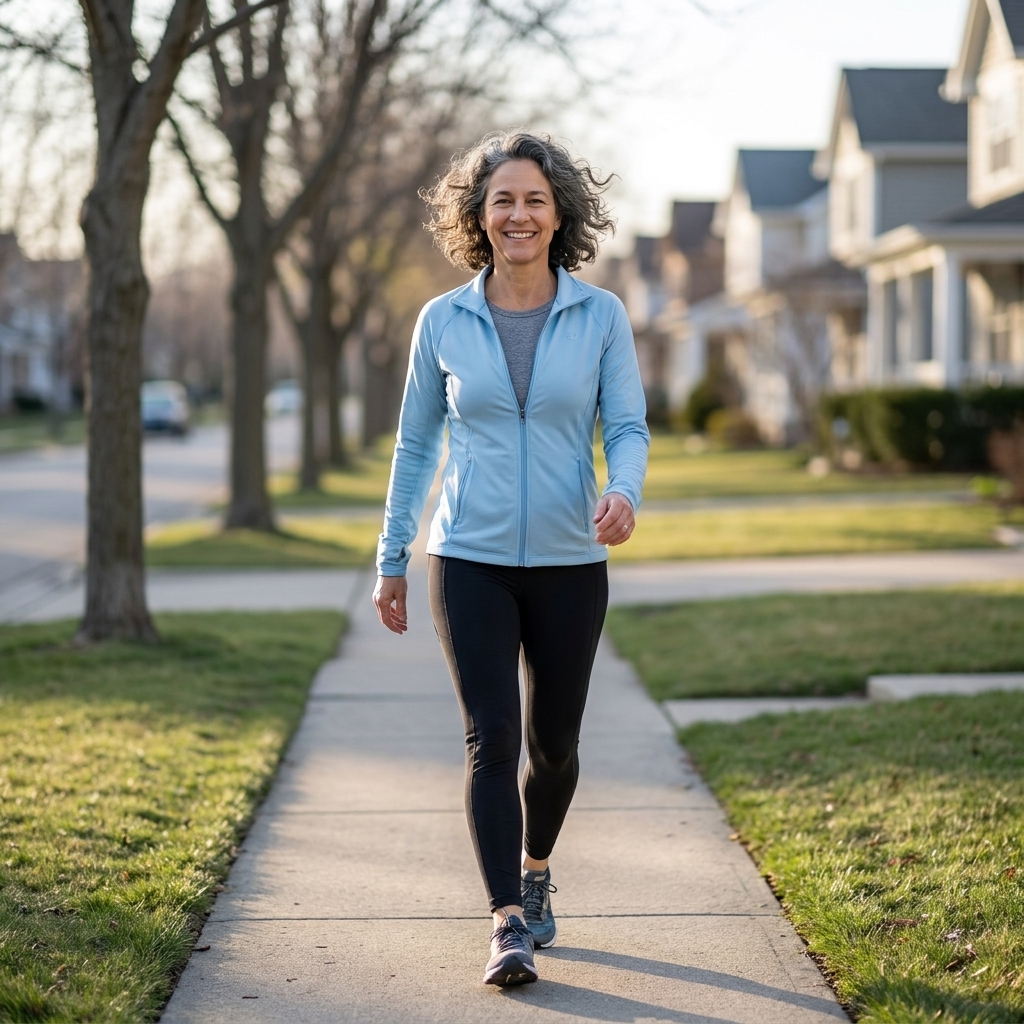
Walking can be powerful, especially when you make it slightly more challenging without turning it into a suffer-fest:
- Add incline on a treadmill or choose hillier routes
- Use interval walking: 2 minutes brisk, 2 minutes easy, repeat
- Increase weekly steps gradually (consistency beats sudden jumps)
- Pair walks with 2 to 3 strength sessions weekly
If you have been told walking “does not count,” please feel free to toss that idea into the nearest trash can. It counts. Your heart, joints, and nervous system know it counts.
Safety notes
HIIT is not appropriate for everyone at every moment in time. Talk with a clinician before starting HIIT if you have known heart disease, uncontrolled high blood pressure, concerning chest pain, unexplained shortness of breath, fainting, or you are postpartum and not yet cleared for intense exercise. If you have any medical condition that affects exercise tolerance or you are recovering from illness, it is also worth getting guidance before pushing intensity.
During any workout, stop and get medical help if you experience chest pressure, severe shortness of breath that is out of proportion, new dizziness, fainting, or a sense that something is “wrong” beyond normal exertion.
Quick FAQ
Is HIIT or LISS better for belly fat?
No cardio style targets belly fat specifically. Overall fat loss plus strength training and stress and sleep support is what tends to change waist measurements. If stress is high, LISS can be surprisingly helpful because it is easier to recover from.
Can I do HIIT and lift on the same day?
Yes, but it depends on your recovery and goals. If strength gains matter, lift first and keep HIIT short, or place HIIT on a separate day. Many people do best with HIIT after lifting or on a different day to protect performance.
How long should a HIIT session be?
Often 10 to 20 minutes of true intervals (plus warm-up and cool-down) is enough. HIIT is about quality, not duration.
How much LISS should I do?
If you enjoy it and recover well, 150 minutes per week of moderate-intensity cardio is a common baseline recommended by major public health organizations (or about 75 minutes per week of vigorous activity). You can build from there based on goals and time.
The bottom line
HIIT is efficient and potent, especially for improving fitness quickly. LISS is steady, scalable, and recovery-friendly, and it can support fat loss through consistency, stress reduction, and higher weekly movement.
If you are unsure where to start, start with LISS and strength training. Add 1 HIIT session per week once your sleep and recovery feel stable. The “best” plan is the one that helps you feel stronger and more capable in your real life, not just exhausted on the floor.