Learn what to eat before, during, and after exercise for better energy, performance, and recovery. Simple timing tips and meal ideas tailored to your fitness...
Calma Path
October 18, 2026
Updated October 18, 2026
Plant vs. Animal Protein for Muscle
Does plant protein build muscle as well as animal protein? Here’s what the research suggests about amino acids, digestibility, leucine, and how to optimize gains on vegan or omnivore diets.

Written by
Maya Reynolds
Maya Reynolds is a registered nurse turned wellness educator who specializes in translating clinical research into accessible, everyday health habits. She is passionate about helping people sustainably improve their fitness, sleep, and nutrition without the pressure of toxic wellness culture.
Protein talk can get weirdly tribal, fast. After years in clinical settings, I care less about ideology and more about what holds up in human bodies with real schedules, real budgets, and real appetites.
The good news: you can build muscle with either plant-based or animal-based protein. The details that matter are total daily protein, training quality, and a few nutrition tweaks that help plant proteins perform their best.
What it takes to build muscle
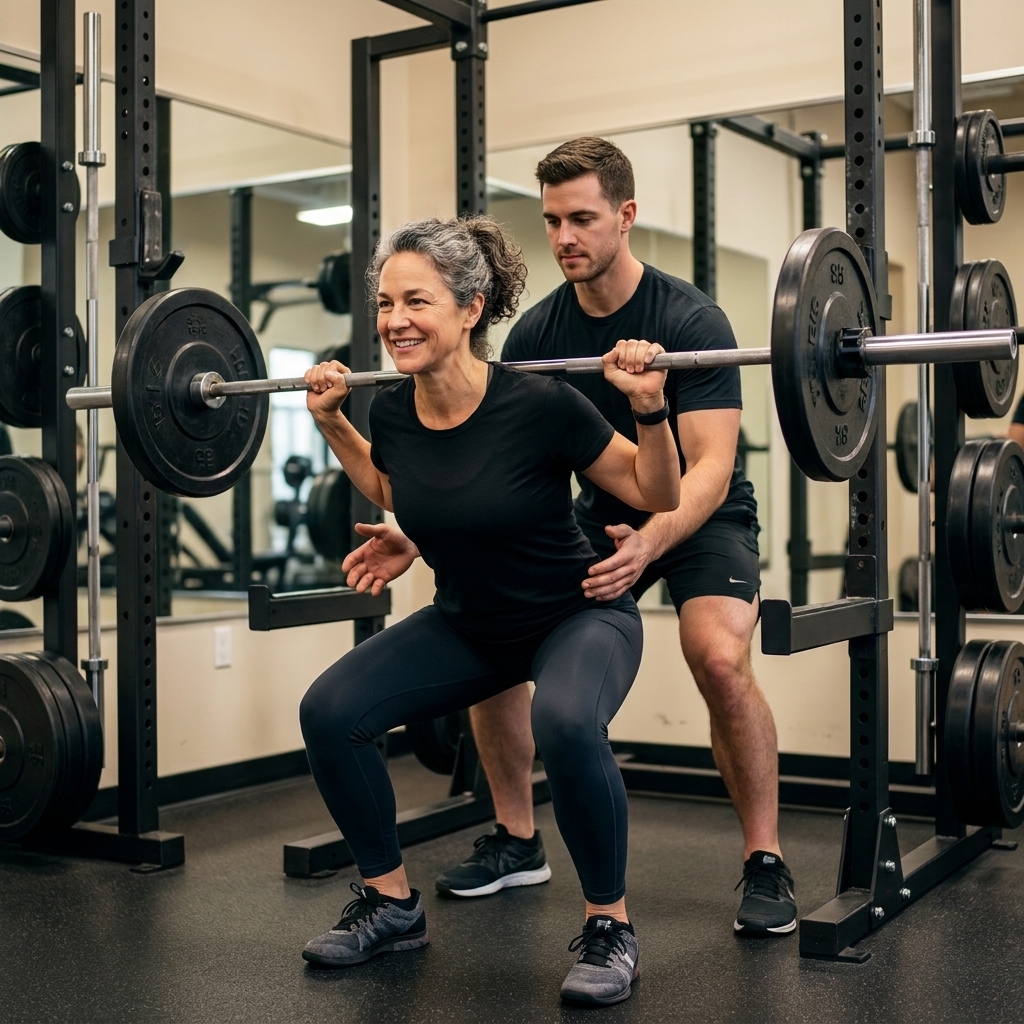
Muscle growth is driven by resistance training plus recovery. Training creates a stimulus, and over time your body adapts by increasing muscle protein synthesis and supporting repair so you end up with more lean tissue when the long-term balance is in your favor.
Nutrition supports this process by providing:
- Enough total protein across the day
- Essential amino acids (EAAs) your body cannot make on its own
- Leucine, an amino acid that helps stimulate muscle protein synthesis after meals
- Enough calories to support training and recovery, especially if you are trying to gain size
If you want one big takeaway before we get into the nuance: the gap between plant and animal protein shrinks a lot when total protein is high enough and well distributed.
Amino acids: complete vs. incomplete
Animal proteins like whey, milk, eggs, meat, poultry, and fish tend to be labeled complete because they contain all essential amino acids in robust proportions. Many single plant foods have lower amounts of one or more essential amino acids. For example, legumes are often lower in methionine, while grains are often lower in lysine.
But this is where the internet often stops too soon.
Your body pools amino acids
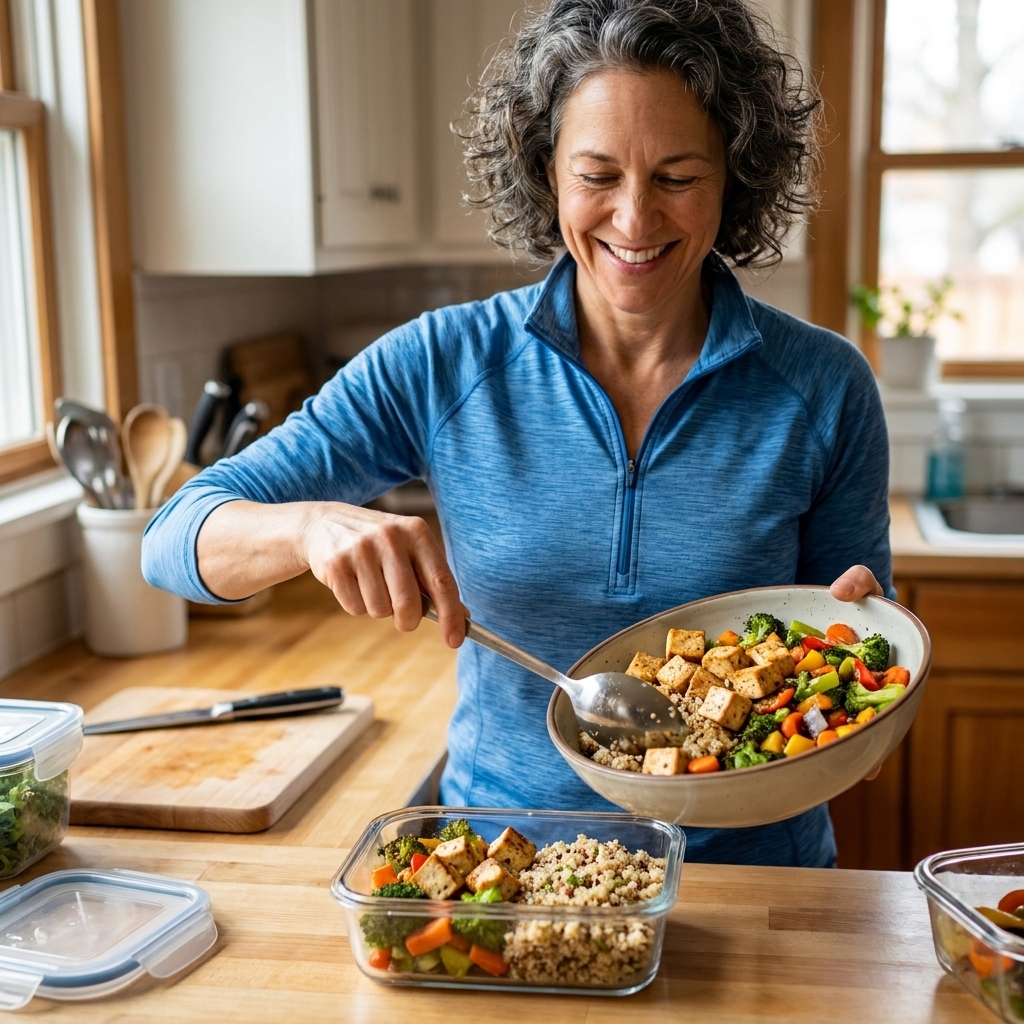
You do not need every essential amino acid in perfect proportions in each bite. Across the day, a varied diet can cover your needs. Common pairings like beans with rice, hummus with pita, tofu with grains, or lentils with pasta are effective because they complement amino acid profiles.
Some plant proteins are already complete
Foods like soy (tofu, tempeh, edamame), quinoa, buckwheat, and hemp provide all essential amino acids. Still, “complete” does not automatically mean “identical for muscle gain” at the same serving size. Total protein dose, digestibility, and how you distribute protein across meals still matter.
Digestibility and bioavailability
Two proteins with the same grams on a label do not always deliver the same usable amino acids to muscle. In research, this is captured through protein quality scoring systems that account for amino acid profile and digestibility. Animal proteins and isolated proteins like whey often score very high.
Some whole-food plant proteins can be less digestible because of the natural food matrix, including fiber and compounds like phytates and tannins that can reduce absorption. This does not mean plant foods are bad. Fiber is one of the most consistently beneficial things in nutrition. It just means that plant-based lifters often do better with a higher protein target and smart protein choices.
Also worth noting: processing can improve digestibility. Tofu, tempeh, textured vegetable protein, and plant protein isolates are generally easier to “cash out” for amino acids than, say, a bowl of whole beans alone.

Leucine and muscle protein synthesis
Leucine is one of the branched-chain amino acids (BCAAs) and is strongly linked to stimulating muscle protein synthesis after a meal. Many animal proteins are naturally leucine-rich. Some plant proteins can be lower in leucine per serving, depending on the source and portion size.
Practically, that means someone eating plant-based may need:
- A larger protein serving at meals (often something like 30 to 45 g protein per meal, depending on body size and total daily target)
- More leucine-forward plant proteins (especially soy, and blended protein powders)
- Higher total daily protein to reliably stimulate muscle protein synthesis across the day
Important nuance: leucine helps, but it is not magic by itself. The total EAA and total protein dose in the meal still do most of the work.
What research suggests
When training programs are solid and total protein intake is adequate, studies generally show that both plant and animal protein can support increases in strength and lean mass, especially when protein intake is matched. Outcomes can vary based on protein dose, the specific foods used, and whether someone is new to lifting or already well trained.
Differences, when they show up, often come down to one of these issues:
- Total protein ends up lower on plant-based diets without deliberate planning
- Protein distribution is uneven, like one very high-protein dinner and low-protein breakfast and lunch
- Lower leucine density per serving from certain plant sources
- Lower calorie intake unintentionally, especially when people increase fiber and volume and feel full faster
In other words, plant-based eating can absolutely work, but it rewards structure. Omnivorous diets often hit muscle-building thresholds more effortlessly, especially if dairy or whey is in the mix.
Optimizing muscle on plant-based
If you are vegan or mostly plant-based, these are the moves that reliably help.
1) Aim higher on protein
Research reviews and sports nutrition consensus commonly land in the general range of about 1.6 to 2.2 g/kg/day for hypertrophy-focused training, with individual variability. Plant-based athletes often do well toward the higher end of that range, especially during a calorie deficit.
If you are older, you may need more intentional per-meal protein due to age-related anabolic resistance. In real life that often looks like making sure each meal has a true protein anchor, not just “some protein.”
2) Spread protein across meals
Think 3 to 5 protein-containing meals instead of one big hit at night. A simple pattern is breakfast, lunch, dinner, and one protein-focused snack.
3) Prioritize high-protein plant staples
- Soy foods: tofu, tempeh, edamame, soy milk
- Seitan (if gluten is tolerated): very high protein density
- Legumes: lentils, chickpeas, beans
- Higher-protein grains: quinoa, buckwheat, oats
- Nuts and seeds: helpful, but usually not enough alone for high protein targets
4) Use plant protein powders
There is no moral bonus for struggling through low protein days. A soy, pea, or blended plant protein can make hitting targets realistic, especially around training. Blends often improve amino acid balance.
5) Do not let fullness undercut calories
High-fiber diets are great for metabolic health, but they can make it hard to eat enough for muscle gain. If you are trying to build, consider:
- Adding olive oil, avocado, nuts, or tahini to meals
- Choosing some lower-fiber carb sources around workouts (like rice, sourdough, or potatoes)
- Including calorie-dense snacks you actually enjoy
6) Do not ignore the non-protein basics
Not a protein issue, but performance and recovery can suffer if key nutrients are low. If you are fully vegan, pay attention to B12 in particular, and consider the usual suspects for labs and planning: iron, iodine, calcium, vitamin D, and omega-3s.
Optimizing muscle on omnivorous
Omnivorous does not automatically mean optimized. The most common issue I see is relying on protein at dinner only, plus not enough carbs to train hard.
1) Spread protein out
Even with high-quality animal proteins, you will get better results when intake is distributed across meals.
2) Use evidence-backed convenience
- Whey (or whey isolate) is well studied for stimulating muscle protein synthesis
- Greek yogurt, cottage cheese for high-protein snacks
- Eggs, poultry, fish, lean meats for meals
3) Fuel performance
Protein supports recovery, but hard training needs energy. If you are under-eating carbs, your workouts can stall, which stalls gains.
Common questions
Is animal protein better for building muscle?
Animal proteins are typically more digestible and leucine-dense, so they can be more efficient per serving. But better depends on the whole diet. With enough total protein and smart food choices, plant-based diets can build muscle very effectively.
Do I need to combine plant proteins at every meal?
No. Variety across the day is what matters most. That said, including a strong protein anchor at each meal (like tofu, tempeh, seitan, legumes, or a plant protein shake) makes life easier.
What is the best plant protein for muscle?
Soy is one of the most consistently strong options because of its amino acid profile and digestibility. Pea and soy blends can also work very well, especially in protein powders.
Can I build muscle without protein powder?
Yes. Protein powder is a tool for convenience, not a requirement. If your schedule or appetite makes it hard to hit your target, a scoop of protein can be simpler than forcing another whole-food meal.
What matters more: protein type or total protein?
For most people lifting consistently, total daily protein and progressive resistance training matter more than protein source. Protein type becomes more important at lower protein intakes or when meals are small and protein is spread thin.
Is high protein always safe?
For generally healthy people, higher-protein diets used in strength training are commonly well tolerated. If you have kidney disease, advanced liver disease, or a medical condition that changes your protein needs, talk with your clinician or a dietitian before pushing intake.
How to choose
If you thrive on plant-based eating and enjoy the foods, you can absolutely build muscle there. Plan for higher protein density and consistent distribution.
If you prefer an omnivorous approach, you may hit muscle-building thresholds more easily, but you still need structure, sleep, and enough total food to recover.
Calma Path mindset: The best protein is the one you can afford, digest well, and eat consistently while training in a way that challenges you and supports your life.