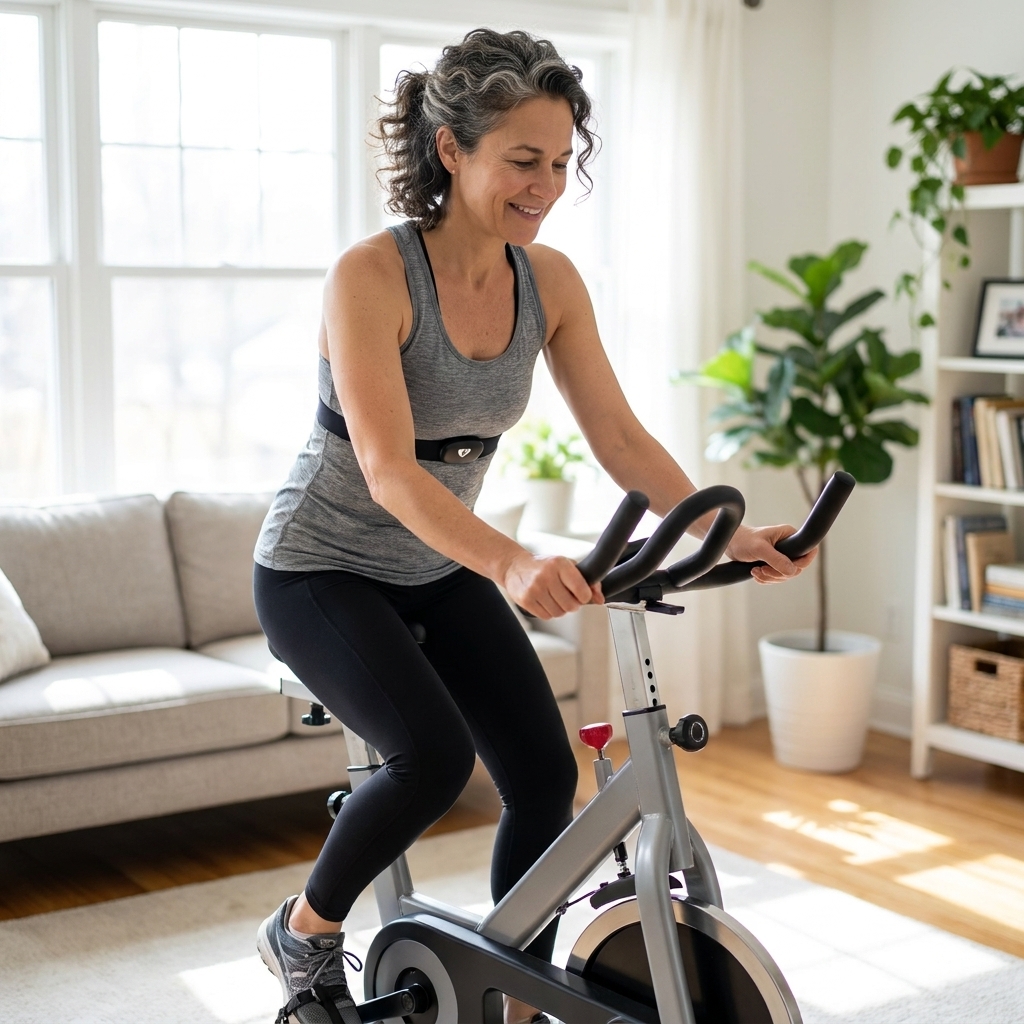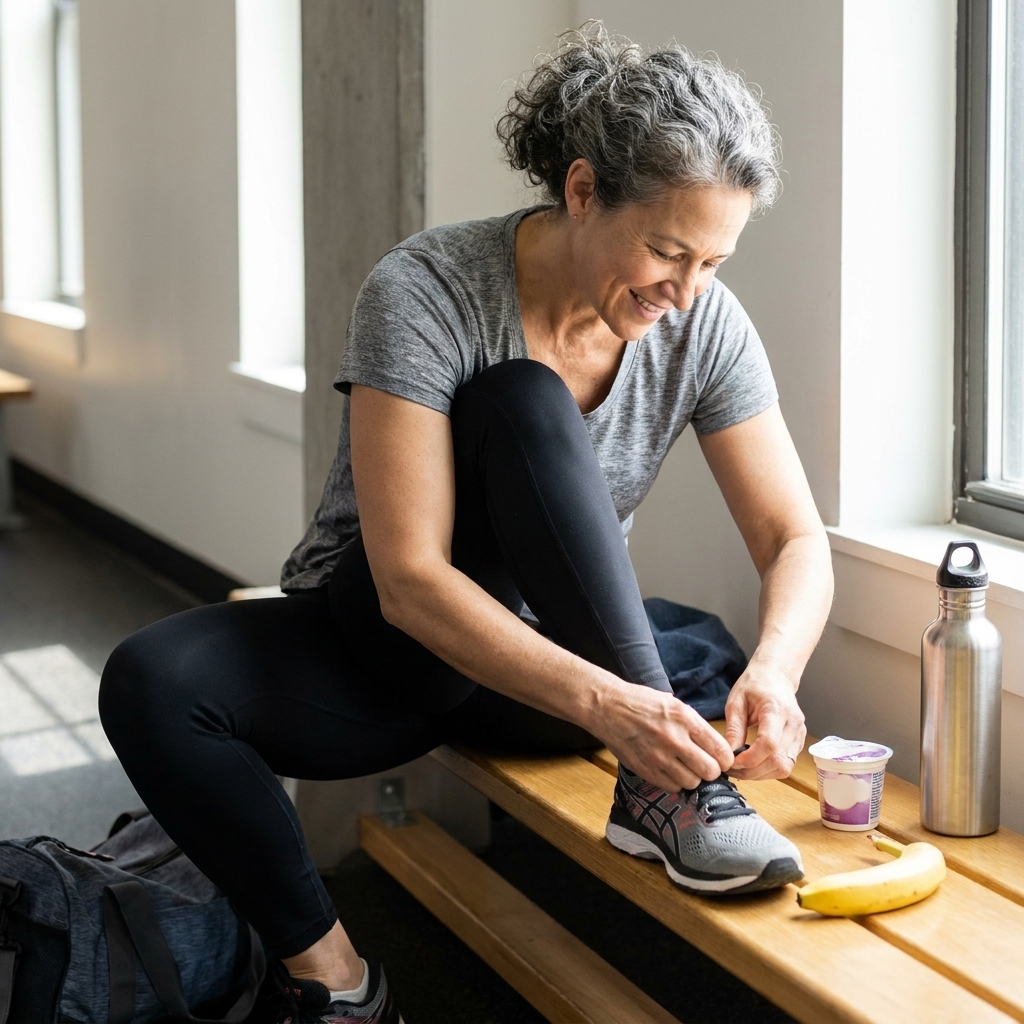
Not all rest days are the same. Learn when to move, when to truly rest, and how to use both to support muscle growth, reduce soreness, and prevent injury.
Calma Path
October 18, 2026
Updated October 18, 2026
Active vs. Passive Recovery for Muscle Repair
Active or passive recovery: which helps muscles heal faster? Learn what’s happening in your body, when to use each type, and how to build a recovery day that actually restores you.

Written by
Maya Reynolds
Maya Reynolds is a registered nurse turned wellness educator who specializes in translating clinical research into accessible, everyday health habits. She is passionate about helping people sustainably improve their fitness, sleep, and nutrition without the pressure of toxic wellness culture.
Recovery days can feel emotionally confusing. If you rest, you worry you are “being lazy.” If you push through, you wonder why your legs still feel like cement two days later.
After years of nursing shifts that wrecked my sleep and nervous system, I learned this the hard way: recovery is not the absence of effort. It is a deliberate input that tells your body, “You are safe enough to rebuild.” Sometimes that input is movement. Sometimes it is stillness.
Let’s break down what active and passive recovery actually do physiologically, and how to choose what your muscles need most today.

How muscles recover
Training creates stress on purpose. Strength work causes tiny disruptions in muscle fibers and connective tissue. Hard endurance sessions deplete fuel and create metabolic byproducts that contribute to that heavy, sore feeling.
Your body repairs and adapts during recovery through a few key processes:
- Protein remodeling: damaged structures are broken down and rebuilt stronger (this is one reason adequate protein matters).
- Glycogen restoration: your muscles refill carbohydrate stores, especially important after long or intense training.
- Inflammation and immune signaling: inflammation is not the enemy, but excessive or prolonged inflammation can slow the return to high performance.
- Nervous system settling: hard training activates your stress response. True recovery includes shifting back toward rest-and-digest.
- Sleep-driven hormone patterns: deep sleep supports tissue repair, learning motor patterns, and overall resilience.
Active and passive recovery support these processes differently. Neither is morally superior. They are tools.
Active recovery
Active recovery is low-intensity movement that keeps overall stress low while encouraging circulation and mobility. Think: walking, easy cycling, gentle swimming, mobility flows, or a very light technique session.
What it does
- More blood flow, more delivery: light movement increases circulation, which helps deliver oxygen and nutrients used in repair.
- Helps you feel less heavy: you will hear people talk about “flushing lactic acid.” The truth is that lactate clears relatively quickly after exercise, but gentle movement can still help soreness and heaviness by supporting circulation and lymphatic flow.
- Joint and tissue hydration: movement helps synovial fluid circulate in joints and maintains tissue glide, which can reduce that stiff, creaky feeling.
- Calms the system (when it stays easy): low intensity activity, especially outdoors, can help your nervous system settle. If your “recovery” session turns into a tempo workout, you lose this benefit.
- Keeps routine without digging a deeper hole: for many people, an easy movement day supports consistency without meaningfully adding fatigue.
When it fits best
- You feel sore but not deeply exhausted, and your sleep is decent.
- You are stiff from heavy lifting or lots of sitting, and gentle mobility feels relieving.
- You are training frequently and want to keep blood moving between harder days.
- You struggle with rest-day anxiety and would benefit from a low-stakes movement ritual that still lets you recover.
How easy is easy?
If you like numbers, aim for RPE 2 to 3 out of 10. You should feel like you could do it again tomorrow without a second thought. If you track heart rate, this is typically zone 1 or very low zone 2, depending on how your zones are set.
What it is not
Active recovery is not “a workout that happens to be shorter.” A helpful rule from the coaching world that I like because it is simple: you should finish active recovery feeling better than when you started, not proud of how hard you pushed.

Passive recovery
Passive recovery means true rest: sleep, naps, lounging, reading, light household activity, and letting your body spend energy on repair instead of additional training stress.
What it does
- Lowers your total stress load: passive recovery reduces physical and nervous system demand, which matters when fatigue is systemic, not just muscular.
- Protects energy availability: recovery costs energy. When overall fatigue is high or you are under-fueled, piling on extra activity can make it harder to bounce back. For many people, truly light activity is fine, but there are days when less really is more.
- Gives your nervous system room to reset: if you are wired, restless, or sleeping poorly, the most athletic thing you may do is step back.
- Reduces sloppy-movement risk: when coordination and reaction time are down, even light sessions can turn into awkward patterns that increase strain.
When it fits best
- You feel run down, irritable, or unusually unmotivated and everything feels harder than it should.
- Your sleep has been off for several nights, or you have early morning waking and can’t get back to sleep.
- You have joint pain or tendon irritation rather than typical muscle soreness.
- You are sick, fighting something, or your resting heart rate is elevated for you.
- You just finished a competition, long race, or very high-volume week and your whole system needs a reset.
Passive recovery is not “doing nothing forever.” It is a strategic pause that prevents one hard week from turning into a hard month.

Soreness vs fatigue
This is the question I ask clients and readers most often:
Are you mainly dealing with local soreness and stiffness, or whole-body fatigue?
Local soreness and stiffness often responds well to gentle movement, mobility, and light aerobic work.
Whole-body fatigue is different. It shows up as heavy limbs, poor focus, disrupted sleep, lower mood, unusually high perceived effort, or a sense that you cannot “rev your engine.” That is typically a sign you need more passive recovery, more calories, more sleep, or all three.
Also worth remembering: DOMS is not a scorecard. Soreness is influenced by novelty, volume, sleep, stress, and where you are in your cycle of training. It can lag 24 to 48 hours after a session, and more soreness does not automatically mean a better workout.
Pick your recovery
A quick checklist
- Sleep check: Did you get at least one decent night of sleep in the last two nights? If no, lean passive.
- Stress check: Is life stress high right now? Work deadlines, caregiving, travel, grief. If yes, lean passive or very gentle active.
- Pain check: Are you sore in muscles, or do you feel sharp, pinpoint joint or tendon pain? Muscle soreness can tolerate active recovery. Joint or tendon pain usually needs rest and possibly evaluation.
- Warm-up check: As you move, do you feel worse instead of better? If you feel worse as you move, stop and pivot to passive recovery.
- Energy check: If you imagine a 20-minute walk, does it sound refreshing or draining? Trust that answer.
The talk test
For active recovery, keep intensity low enough that you can speak in full sentences without needing to pause for breath. If you cannot, it is not recovery.
Active recovery ideas
Here are a few options that encourage circulation and mobility without adding meaningful training stress:
Option 1: Easy move
- 20 to 40 minutes easy walk, bike, or swim
- 5 to 10 minutes gentle mobility for hips, ankles, thoracic spine
Option 2: Desk reset
- 10 minutes brisk walk outdoors
- 8 minutes mobility: cat-cow, hip flexor stretch, calf stretch, shoulder circles
- 2 minutes slow nasal breathing to settle down
Option 3: Technique strength
- 2 to 3 sets of 5 reps at a very easy load for 2 to 3 movements
- Stop well before fatigue, focus on clean form and range of motion
If you finish any of these and want to tack on “just a little more,” that is usually your cue to stop. Stop while it still feels easy.
Passive recovery ideas
Passive recovery is not automatically restorative if it becomes an all-day doom scroll. The goal is to lower stress and cover the basics.
A realistic menu
- Sleep: keep wake time consistent, aim for an earlier bedtime, and prioritize a dark, cool room.
- Fuel: eat regular meals with protein, colorful plants, and carbs if you trained hard the day before.
- Hydration: dehydration can amplify soreness and fatigue. As a general guideline, aim for pale yellow urine most of the day, knowing vitamins, supplements, and some medical conditions can change color.
- Gentle movement: light household activity is fine. You do not need to be statue-still.
- Calm your nervous system: 10 minutes of slow breathing, reading, or a quiet hobby counts.
One of my favorite cheap upgrades: morning outdoor light. A short dose soon after waking helps anchor circadian timing, which helps sleep quality, which helps muscle repair. On bright days, a few minutes may be enough. If it’s overcast or winter-dark where you live, you may need closer to 10 to 20 minutes.
Sleep matters most
If you only change one thing for muscle repair, make it sleep. During sleep, your body coordinates tissue repair, immune activity, and nervous system recalibration. Even the perfect recovery workout cannot outsmart short sleep.
If your sleep is currently inconsistent, a good recovery day might be:
- a short walk outside
- a protein-forward breakfast
- an earlier wind-down
- and a true rest night
That is not glamorous. It works.
Safety first
Most recovery questions are normal training management. But a few signs are not “push through it” territory. Get medical care if you have chest pain, trouble breathing, fainting, a fever, significant swelling or a suspected fracture, or severe muscle pain with dark urine. If your resting heart rate stays unusually elevated for several days alongside worsening fatigue, it is also worth stepping back and checking in with a clinician.
Common questions
Will active recovery reduce DOMS faster?
It can reduce the feeling of soreness and stiffness for many people by increasing circulation and keeping tissues moving. It does not erase muscle damage overnight, but it can make you more comfortable and functional while you recover.
Should I stretch on recovery days?
Gentle stretching can feel great, especially if you are stiff. Avoid forcing deep stretches into pain when tissues are already irritated. Think soothing, not aggressive.
Is massage active or passive recovery?
Massage is closer to passive recovery. It may help with short-term soreness perception and relaxation. If it helps you feel calmer and sleep better, that is a real recovery benefit.
Can I do yoga as active recovery?
Yes, if it is gentle and truly low effort. Some yoga classes are essentially strength sessions. Choose a slower style and keep it easy if the goal is muscle repair.
How many recovery days per week?
It depends on training age, intensity, life stress, and sleep. Many recreational athletes do well with 1 to 3 lower-intensity days weekly, mixing active and passive recovery based on how they feel. If performance is stalling or soreness never resolves, you likely need more recovery, not more grit.
Bottom line
Active recovery is best when you are mostly dealing with muscle soreness and stiffness, and you can keep intensity genuinely low.
Passive recovery is best when you are systemically fatigued, sleep-deprived, sick, injured, or stressed, and your body needs a real downshift to rebuild.
If you are unsure, start with the gentlest option: a 15 to 20 minute walk and a mobility reset. If you feel better, you chose well. If you feel worse, give yourself permission to rest without negotiating with your nervous system.