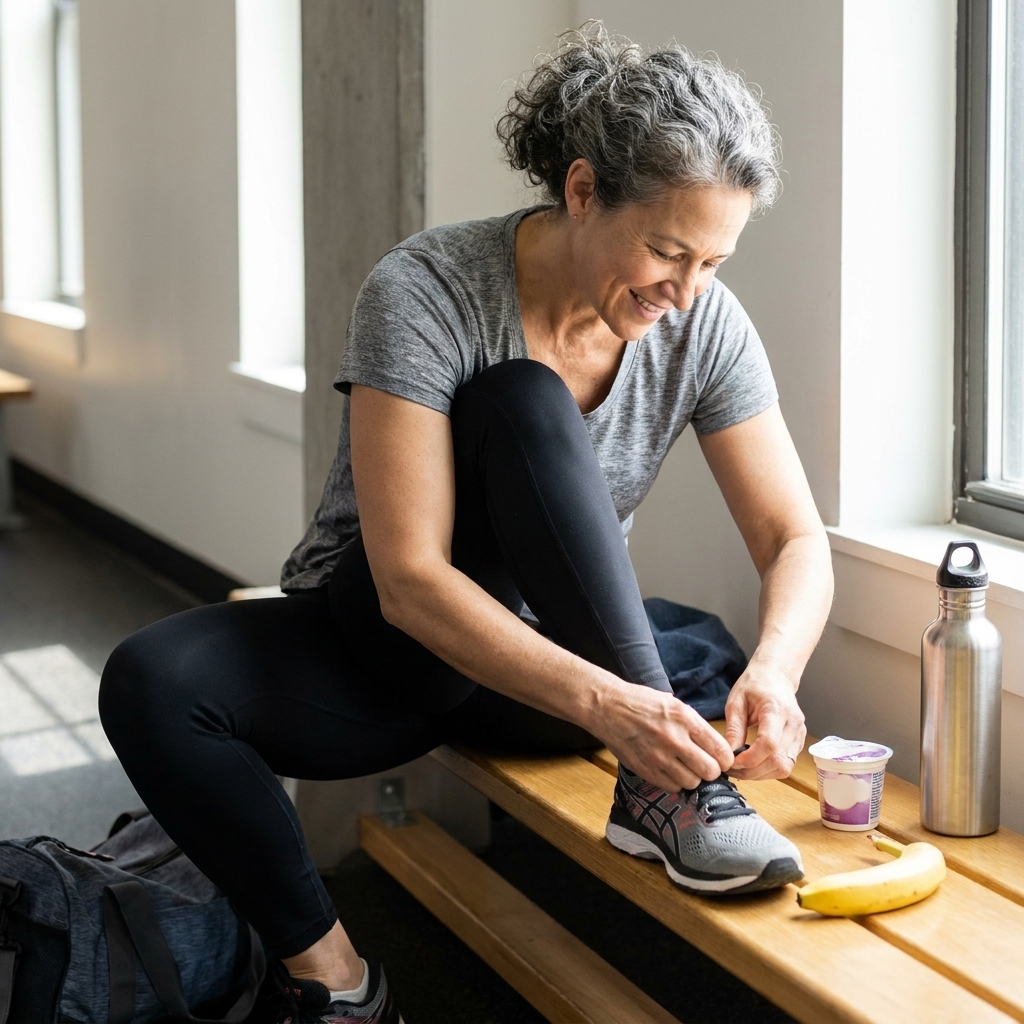
Learn what to eat before, during, and after exercise for better energy, performance, and recovery. Simple timing tips and meal ideas tailored to your fitness...
Calma Path
October 18, 2026
Updated October 18, 2026
How Much Water Do You Really Need?
Forget the rigid “8 glasses” rule. Learn what hydration science actually says, how to estimate your personal needs, and 7 evidence-based tips to stay comfortably hydrated every day.

Written by
Maya Reynolds
Maya Reynolds is a registered nurse turned wellness educator who specializes in translating clinical research into accessible, everyday health habits. She is passionate about helping people sustainably improve their fitness, sleep, and nutrition without the pressure of toxic wellness culture.
For years, hydration advice has been delivered like a strict bedtime: eight glasses a day, no questions asked. As a nurse, I watched people dutifully chug water while ignoring the bigger picture: your body’s fluid needs shift with your size, diet, climate, activity level, medications, and even where you are in your menstrual cycle.
Quick clarity up front: when clinicians talk about hydration, they often mean fluids (water plus other beverages) and sometimes total water (fluids plus water from food). The goal is not to hit a magical number. It’s to keep your blood volume stable, your temperature regulated, your digestion moving, and your brain feeling clear, without turning drinking water into a part-time job.

Why the 8-glasses rule is shaky
The “8x8” rule is catchy, but it is not a one-size-fits-all physiological requirement. It doesn’t account for:
- Body size and lean mass: Larger bodies generally need more fluid.
- Diet composition: High-protein, high-fiber, and high-sodium diets can change fluid needs.
- Environment: Hot, dry, or high-altitude conditions increase water loss.
- Activity: Sweat losses can vary dramatically between people.
- Medical factors: Some conditions and medications alter fluid balance.
Also, “water” does not only mean plain water. Many people get a meaningful amount of daily fluid from other beverages and from water-rich foods like fruit, vegetables, soups, and yogurt.
How much do you need?
Instead of a single universal target, research-based guidelines often talk about total water intake from both beverages and foods. The National Academies of Sciences, Engineering, and Medicine (NASEM) lists Adequate Intake (AI) levels for generally healthy adults in temperate climates of:
- Men: about 3.7 liters total water per day
- Women: about 2.7 liters total water per day
These are broad benchmarks, not individualized prescriptions. They also include water from food, which often contributes around 20% of total intake in many diets, though it can be higher in produce-heavy patterns and lower in more packaged, low-produce routines. Practically, that means your beverages alone may land around 2 to 3 liters for many adults, but your personal needs can be higher or lower.
A practical starting point
If you want a simple baseline that scales with body size, many clinicians use rough ranges like 25 to 35 mL per kg of body weight per day from fluids, then adjust for heat, exercise, illness, or pregnancy.
This is a heuristic, not an official population guideline. It may overshoot or undershoot for some people, and it is not for anyone with fluid restrictions or conditions like heart failure or advanced kidney disease unless your clinician has given you a specific target.
Your most underrated metric: urine
In most healthy adults, hydration status can be reasonably tracked with:
- Color: pale yellow is typically a good sign
- Frequency: peeing every few hours is common when well-hydrated
- Symptoms: headache, dizziness, dry mouth, constipation, fatigue, and darker urine can all be clues you need more fluids
A single urine sample is not a verdict. First-morning urine is often darker, and food, supplements, and medications can shift color. What matters more is the pattern, especially consistently darker urine plus symptoms.
One real-world note: taking a multivitamin or B-complex can turn urine neon yellow. That is usually the vitamins, not dehydration.
7 daily hydration tips
1) Use hydration anchors
Instead of sipping all day out of guilt, attach fluids to routines you already do:
- After brushing teeth
- With breakfast
- Mid-morning break
- With lunch
- During your afternoon reset
- With dinner
This spreads intake naturally and reduces the late-night chug that can wreck sleep with extra bathroom trips.
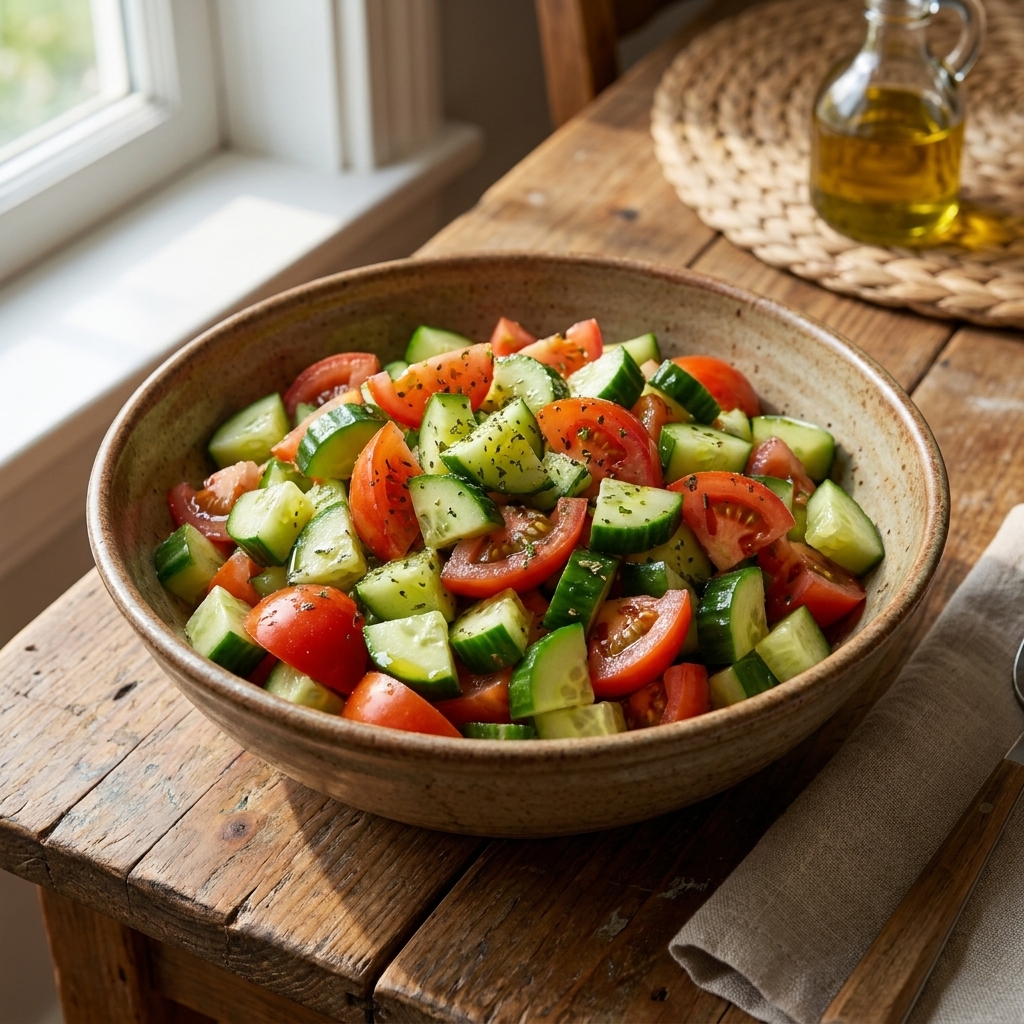
2) Eat your water
Hydration is not just what you drink. Water-rich foods support fluid intake and deliver potassium, magnesium, and fiber that help your body actually use that fluid well.
- High-water fruit: watermelon, oranges, berries
- High-water veggies: cucumber, tomatoes, zucchini, lettuce
- Soups and stews: especially helpful in colder months
- Yogurt and kefir: fluids plus protein
3) Match fluids to sweat
If you are lightly active, plain water is usually enough. As a simple rule of thumb, for many people sessions under about 60 minutes at an easy to moderate pace do fine with water.
If you are sweating heavily, exercising longer, or training in heat, you may benefit from a plan that includes sodium and sometimes carbohydrate in addition to water. This matters most in longer endurance-style efforts where people either lose a lot of sodium in sweat or drink large volumes quickly. In that scenario, water alone can contribute to low blood sodium and leave you feeling weak, nauseated, or headachy.
Practical options:
- An oral rehydration solution during stomach illness
- A sports drink during long or intense sessions
- Water plus a salty snack if you are a heavy sweater
If you notice cramps, dizziness, nausea, or a pounding headache during or after heavy sweating, treat that as data, not a moral failure. Your body is asking for a different mix.
4) Use caffeine and alcohol wisely
Caffeine has a mild diuretic effect, but in people who regularly consume it, coffee and tea still count toward fluid intake. Very high caffeine intakes can still trigger jitters, palpitations, and more frequent urination, so dose matters.
Alcohol can be dehydrating, especially in larger amounts. Effects vary by amount and context, but a simple rhythm tends to help: one alcoholic drink, one glass of water.
5) Prioritize electrolytes when sick
Vomiting and diarrhea are dehydration accelerators. This is one of the few times I recommend being more intentional and less casual: oral rehydration solutions can be more effective than plain water because they replace both fluid and electrolytes in proportions your gut can absorb efficiently.
Seek medical care urgently if dehydration signs are severe: confusion, fainting, no urination for many hours, very rapid heartbeat, or inability to keep fluids down.
6) Make water easy to drink
If you dislike plain water, forcing it rarely lasts. Instead, upgrade the experience:
- Keep a cold pitcher in the fridge
- Add lemon, lime, cucumber, or mint
- Try sparkling water if the bubbles make it appealing
- Use a cup or bottle you genuinely like drinking from
Behavior change is often an environment problem, not a motivation problem.
7) Watch for overdoing it
Yes, it is possible to drink too much, especially if you are pushing large volumes quickly during endurance events or “detox” challenges. In extreme cases, this can cause dangerously low blood sodium (hyponatremia).
Instead of fixating on one sign, look for a combination:
- Very high intake that feels forced or rapid
- Persistently colorless urine plus constant bathroom trips
- Nausea, headache, confusion, or swelling after heavy water intake
For most people, letting thirst guide you and drinking steadily (not all at once) is a safe, sustainable approach.
When needs run higher
Your baseline may be fine most days, but some seasons of life call for more attention to fluids:
- Heat and humidity: higher sweat loss
- High altitude: increased respiratory water loss
- Exercise: especially long, intense, or outdoor workouts
- Pregnancy and breastfeeding: increased fluid requirements
- High fiber intake: fiber works best with adequate fluids
- Fever: extra water loss
Some groups also tend to be at higher risk of dehydration and may benefit from gentle routine-based drinking: older adults (thirst can be blunted), kids (higher needs per body size), people with uncontrolled diabetes, and anyone taking diuretics or dealing with vomiting or diarrhea.

When to ask a clinician
If you have certain health conditions, hydration advice can be more nuanced. Talk with your clinician about a safe fluid range if you have:
- Heart failure or fluid restrictions
- Kidney disease or dialysis
- Liver disease with fluid balance issues
- Adrenal disorders
- Medications that affect fluid and electrolytes, like diuretics, some antidepressants, and NSAIDs in high or frequent doses
If you have been told you have low sodium before, or you have a history of hyponatremia, avoid pushing fluids without medical guidance.
This is not meant to scare you. It is meant to protect you from generic advice that doesn’t fit your physiology.
Quick FAQ
Does sparkling water hydrate you?
Yes. Unsweetened sparkling water hydrates similarly to still water for most people.
Do you need a hydration calculator?
Not necessarily. If you enjoy a bottle that helps you remember to drink, great. But your body already has an excellent feedback system: thirst, urine patterns, energy, and performance.
Is thirst a late sign?
Thirst is a normal regulatory signal, not a failure. For most healthy adults living day to day, thirst is a useful guide. In older adults, thirst can sometimes be blunted, so gentle routine-based drinking can help.
Can more water fix headaches and fatigue?
Sometimes. Mild dehydration can contribute to headaches and low energy, but it is not the only cause. If you are drinking plenty and symptoms persist, it is worth looking at sleep, iron status, stress load, and nutrition quality too.
The Calma Path takeaway
You do not need to earn hydration by suffering through gallon challenges. Start with a flexible baseline, watch your body’s feedback, and adjust for your real life: weather, movement, meals, and sleep.
If you want one simple next step, try this tomorrow: drink a glass of water with breakfast, add one water-rich food at lunch, and check your urine once in the afternoon. Small inputs, big payoff, and no toxic wellness rules required.