A science-backed, non-restrictive roadmap to eating for lower inflammation, with clear food lists and a beginner-friendly 7-day starter plan.
Calma Path
October 18, 2026
Updated October 18, 2026
Prebiotics and Probiotics for Gut Health
Learn what prebiotics and probiotics do, how to get them from everyday foods, and when supplements make sense. A practical, evidence-based guide to a calmer gut.

Written by
Maya Reynolds
Maya Reynolds is a registered nurse turned wellness educator who specializes in translating clinical research into accessible, everyday health habits. She is passionate about helping people sustainably improve their fitness, sleep, and nutrition without the pressure of toxic wellness culture.
When I was working back-to-back hospital shifts, my gut was the first thing to rebel. Bloating, unpredictable bathroom habits, and that vague “off” feeling that made eating stressful. What finally helped was not a pricey cleanse or cutting out entire food groups. It was learning how to feed my gut microbes consistently, with ordinary food and a few targeted tools.
This guide breaks down what prebiotics and probiotics actually do, how to use them together, and how to make choices that are realistic for real life. It is educational, not a substitute for personal medical advice.

Microbiome basics
Your gut microbiome is the community of bacteria, fungi, and other microbes living mostly in your large intestine. They help break down parts of food you cannot digest, produce helpful compounds, interact with your immune system, and communicate with your brain through nerves and chemical messengers.
A “healthy microbiome” is not one perfect set of bacteria. It is more like a resilient ecosystem that can adapt and recover. For most people, the biggest drivers are:
- Diet quality and fiber intake
- Stress and sleep
- Medications, especially antibiotics and acid-suppressing drugs like PPIs and H2 blockers, which may alter the gut environment
- Movement and daily routine
- Alcohol and ultra-processed foods
Reality check: You do not need to “fix” your gut in a week. You need small, repeatable inputs that your microbes can count on.
Prebiotics vs probiotics
Prebiotics: food for your microbes
Prebiotics are specific types of carbohydrate fibers that reach the colon and get fermented by gut bacteria. That fermentation produces short-chain fatty acids (SCFAs) like butyrate, which support the gut lining and help regulate inflammation and metabolism.
Not all fiber is prebiotic, but many prebiotic fibers are found in high-fiber foods. Common prebiotic compounds include inulin, fructooligosaccharides (FOS), galactooligosaccharides (GOS), and certain resistant starches.
Probiotics: live microbes that may help
Probiotics are live microorganisms that, when consumed in adequate amounts, can provide a health benefit. Many probiotic strains do not permanently colonize the gut for most people. Some may persist longer than others, and responses vary by strain and by person. I generally think of them as helpful visitors that can influence the neighborhood while they are present.
Probiotics can come from fermented foods and from supplements. Not all fermented foods contain live cultures by the time you eat them, and not all “probiotic” products have studied strains, so label literacy matters.
Synbiotics: the combo approach
Synbiotics combine probiotics plus prebiotics, aiming to support both the microbes and their fuel. Food can be naturally synbiotic, like yogurt topped with oats and berries, or kefir blended with a banana.
When to consider them
Gut symptoms can have many causes, so this is not a diagnostic list. But people often explore microbiome support when they notice:
- Bloating, excess gas, or abdominal discomfort
- Constipation or diarrhea, or alternating patterns
- Symptoms after a course of antibiotics
- Frequent “sensitive stomach” reactions to varied foods
- Skin flares that seem connected to digestion
- Low fiber intake for months or years
Important: If you have blood in stool, unexplained weight loss, persistent vomiting, anemia, severe pain, fever, a strong family history of colon cancer, or symptoms that wake you from sleep, get medical care promptly.
Best prebiotic foods
If I could pick one gut health habit with the best return on effort, it is this: eat a wider variety of plant fibers across the week. Your microbes like diversity, and your gut likes consistency.
High-impact options
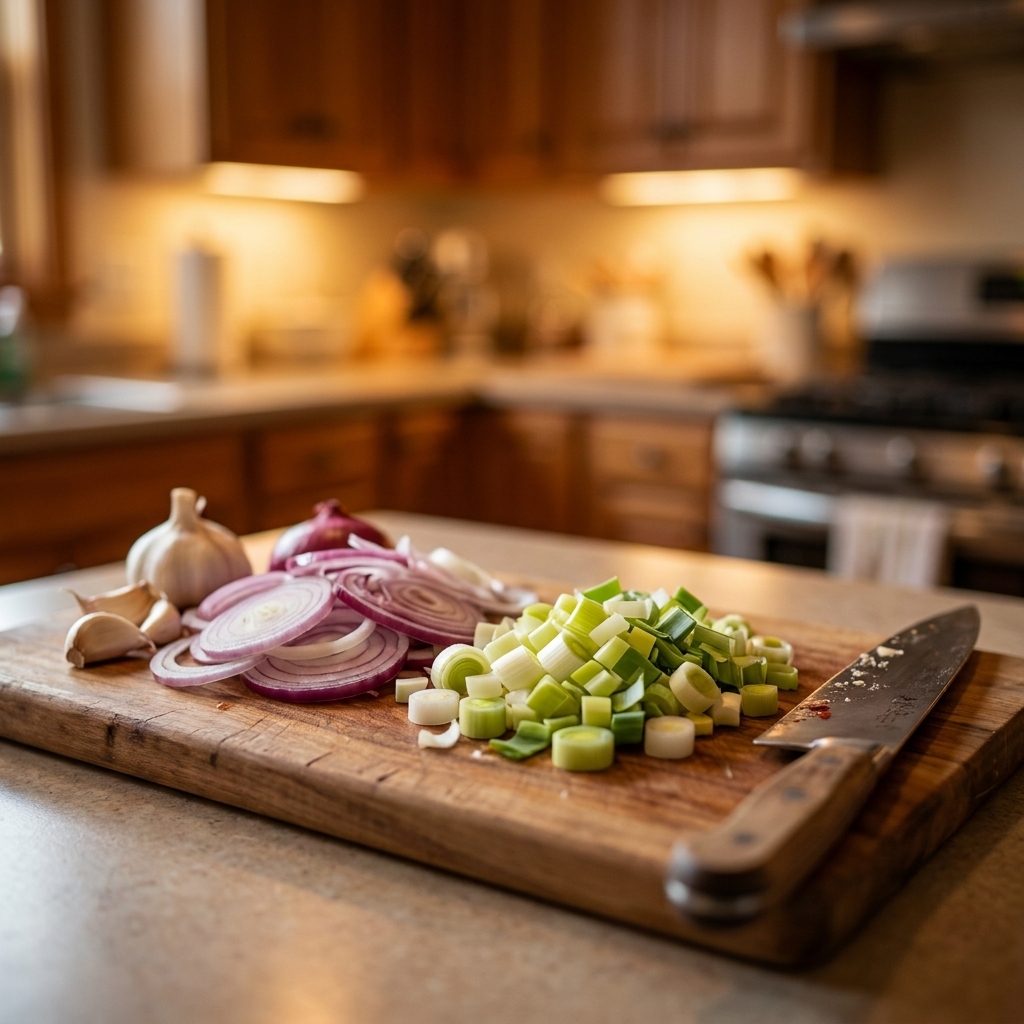
- Alliums: onions, garlic, leeks, scallions
- Asparagus
- Legumes: lentils, chickpeas, black beans
- Whole grains: oats, barley, rye, wheat berries
- Bananas, especially slightly green
- Apples (pectin counts here too)
- Chia and flax seeds
- Cooked and cooled starches: potatoes, rice, pasta (cooling increases resistant starch; gentle reheating may retain some)
- Jerusalem artichoke (very prebiotic, also very gassy for some)
Simple serving starting points: 1/4 cup beans, 1/2 cup cooked oats, 1 tablespoon chia, 1/2 banana, or 1/4 to 1/2 cup cooked onions in a meal. If you are sensitive, start at the low end.
Best probiotic foods
Fermented foods can be a gentle, food-first way to introduce beneficial microbes and fermentation byproducts. The key is choosing versions that actually contain live cultures and that you will eat consistently.
Reliable staples
- Yogurt with “live and active cultures” on the label (plain or low added sugar is ideal)
- Kefir (can contain a wider variety of microbes than yogurt, but it varies by brand, so check the label)
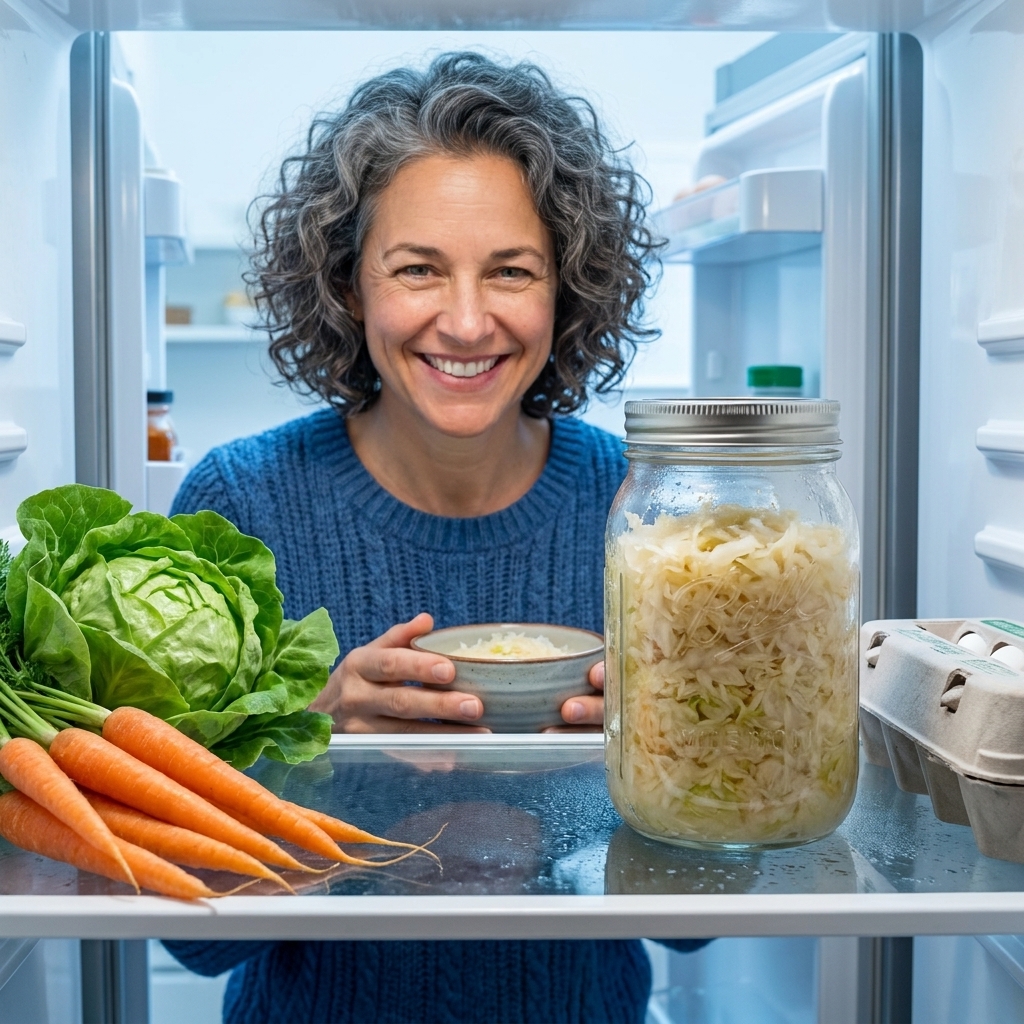
- Sauerkraut that is refrigerated and unpasteurized
- Kimchi (watch sodium if you are managing blood pressure)
- Miso (stir into warm, not boiling, liquids to protect cultures)
- Kombucha (some people tolerate it well, but it can be acidic, caffeinated, and variable in sugar)
Note on tempeh: Tempeh is fermented, and even when cooked it can still offer nutrition and fermentation-derived compounds. But once it is cooked, it is not a reliable source of live probiotic cultures. If your goal is live microbes, prioritize yogurt, kefir, or refrigerated unpasteurized ferments.
Label tip: “Fermented” does not always mean “contains live probiotics.” Shelf-stable sauerkraut or pickles are often pasteurized, which reduces live organisms.
Easy serving starting points: 1/2 cup yogurt or kefir daily, or 1 to 2 tablespoons sauerkraut or kimchi with a meal. You can build up if you tolerate it.
How to avoid bloating
One of the most common mistakes I see is going from low fiber to “all the fiber” overnight, then assuming prebiotics do not work because you feel puffy.
A calmer ramp-up
- Start low and slow: Add one prebiotic food per day for a week, then build.
- Pair with protein and fat: This slows digestion and can reduce discomfort. Example: yogurt plus nuts, or beans with olive oil and chicken.
- Hydrate: Fiber needs water to move well.
- Move your body daily: Even a 10-minute walk supports motility.
- Try cooked forms first: Cooked onions or oats are often easier than raw salads when you are sensitive.
My nursing take: If your gut has been on high alert, treat fiber like physical therapy. Gentle progression beats intensity.
Two common roadblocks
- Lactose intolerance: If dairy triggers symptoms, try lactose-free yogurt/kefir, smaller portions, or non-dairy options with added live cultures.
- Histamine sensitivity: Some people feel worse with aged or fermented foods (headaches, flushing, hives, worse GI symptoms). If that sounds like you, trial smaller servings or pause ferments and discuss patterns with a clinician.
Probiotic supplements
Sometimes supplements are helpful. Sometimes they are expensive probiotics in a pretty bottle that do nothing noticeable. The difference is usually matching the product to the goal, and giving it a fair trial.
When they may help
- After antibiotics (especially if you tend to get diarrhea)
- IBS symptom support for some people, depending on strain
- Travel, when your routine and food exposures change
- If you cannot tolerate fermented foods but still want to trial probiotics
What to look for
- Genus, species, and strain listed (example: Lactobacillus rhamnosus GG). Strain matters.
- CFU count at expiration, not “at time of manufacture.”
- Storage guidance you can realistically follow.
- Third-party testing when available (quality and potency vary widely).
How to trial one
Pick one product, take it consistently for 2 to 4 weeks, and track 2 to 3 outcomes such as stool consistency, bloating discomfort, and frequency. If nothing changes, it may not be the right strain for you, or you may not need it.
Do not stack multiple probiotics at once. More is not always better, and it makes it hard to know what helped.
Prebiotic supplements
Prebiotic supplements can be a useful bridge if your diet is low in fiber or you are working on constipation, cholesterol support, or appetite regulation.
Common options
- Psyllium husk: Strong evidence for bowel regularity and LDL cholesterol support. A common study range is about 7 to 10 grams per day, usually split into doses. Start lower, increase gradually, and drink plenty of water.
- Partially hydrolyzed guar gum (PHGG): Often gentler than inulin for sensitive guts and may support IBS symptoms for some.
- Inulin/FOS: Strongly prebiotic, but also a common gas trigger. Best for people who tolerate it.
- Resistant starch powders: Can help some people, but start tiny to avoid discomfort.
If you are brand new to fiber supplements, psyllium or PHGG are often the most beginner-friendly starting points.
Common goals
Constipation
- Prioritize soluble fiber (oats, chia, psyllium, beans)
- Add kiwi or prunes if tolerated
- Try yogurt or kefir daily for 2 weeks
- Hydration plus a short walk after meals
Diarrhea or post-antibiotic upset
- Focus on gentle foods plus gradual fiber
- Consider a targeted probiotic supplement with studied strains for antibiotic-associated diarrhea
- Include rice, oats, bananas and slowly reintroduce legumes and raw vegetables
Bloating
- Scale back big jumps in prebiotics
- Choose cooked vegetables and smaller portions of legumes
- Trial one fermented food at a time
- Check basics like fast eating, carbonated drinks, gum, and high sugar alcohol intake
Immune support
Your gut is a major immune training ground. The food-first strategy is: fiber variety plus fermented foods, backed by adequate sleep and stress support. Supplements can help in specific situations, but your daily inputs still do most of the work.
7-day food ideas
Use this as a flexible menu of ideas, not a rigid program. Pick one prebiotic and one probiotic most days, and rotate sources across the week.
Easy pairings
- Breakfast: Plain yogurt or kefir + oats + berries + chia
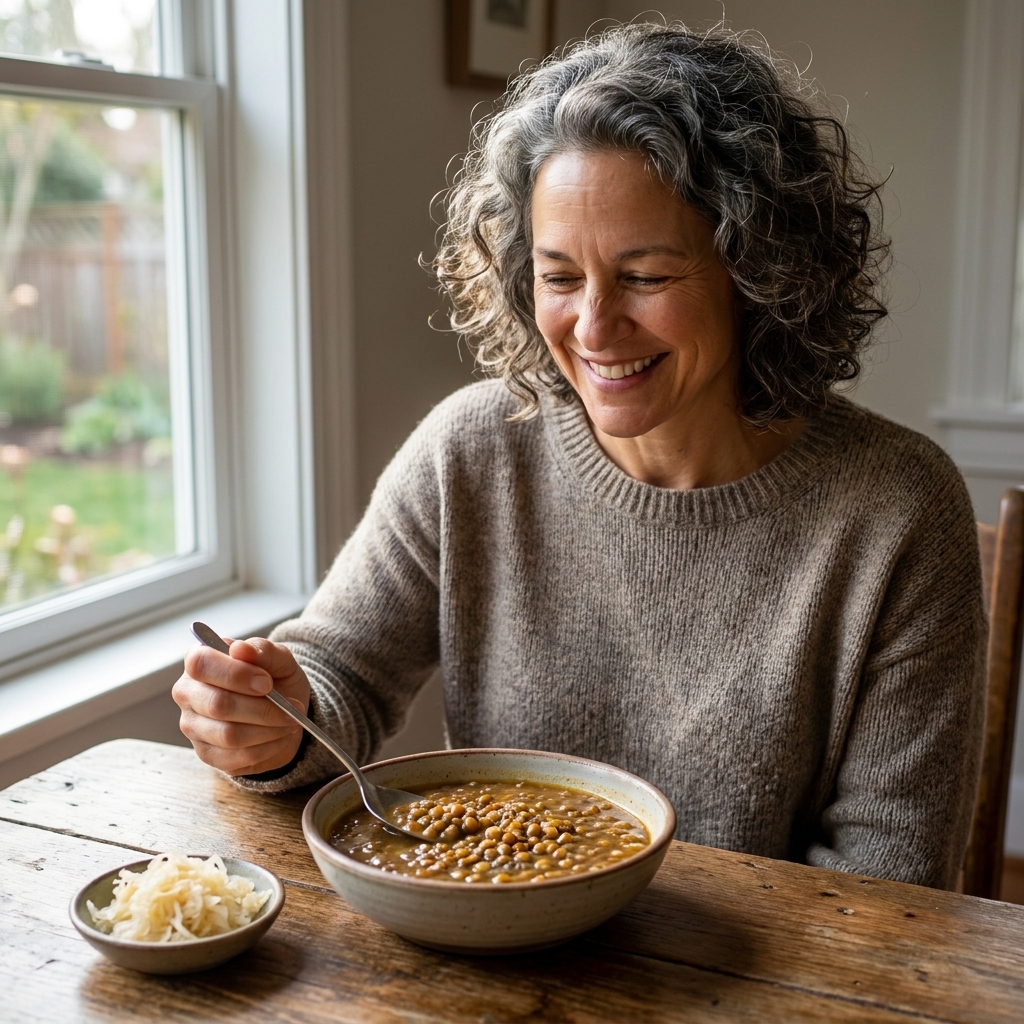
- Lunch: Lentil soup with cooked onions and garlic + side of sauerkraut
- Dinner: Salmon + cooled and gently reheated potatoes + asparagus
- Snack: Banana (slightly green if tolerated) + peanut butter
- Plant-based dinner: Tempeh stir-fry with leeks and cooled rice (for live cultures, add yogurt or sauerkraut on the side)
- Quick option: Overnight oats made with kefir, topped with sliced apple and cinnamon
Fiber target, gently: Many adults do well aiming toward 25 to 38 grams of fiber per day, but if you are currently low, work up gradually over a few weeks.
Who should be cautious
Most healthy adults can experiment safely with food-based prebiotics and probiotics. But caution is smart in these situations:
- Severely immunocompromised states (for example, certain chemotherapy regimens or transplant medications). Discuss probiotic supplements with your clinician.
- Central venous catheters or high infection risk. Probiotics are not automatically “harmless.”
- History of pancreatitis or complex GI disease. Get individualized guidance.
- SIBO or significant FODMAP sensitivity. Some prebiotics can worsen symptoms, and you may need a tailored approach.
- Pregnancy: fermented foods are generally fine when handled safely. Stick with reputable brands, keep refrigerated items refrigerated, and if your clinician advises avoiding unpasteurized products, follow that guidance.
Gut myths
Myth: You need a gut test to know what to eat
Most microbiome tests cannot tell you exactly which foods your gut “needs.” You can learn a lot more by tracking symptoms, stool patterns, fiber intake, sleep, and stress for a few weeks.
Myth: More strains and higher CFUs are always better
Benefit depends on strain, dose, and your goal. A targeted product you tolerate consistently often beats a mega-dose you abandon after three days.
Myth: You can out-supplement a low-fiber diet
If your microbes do not get regular fuel from food, they cannot do their best work. Supplements can support the foundation, but they cannot replace it.
FAQ
Should I take prebiotics and probiotics at the same time?
Many people do well taking them together, especially when prebiotics come from food. If you are sensitive, start with one change at a time and build.
How long does it take to notice a difference?
Some people notice changes in bowel regularity within days of increasing fiber and fermented foods. For others, it takes 2 to 6 weeks of consistent intake to notice a clear pattern.
Are pickles probiotic?
Only fermented pickles kept refrigerated are likely to contain live cultures. Most shelf-stable pickles are vinegar-brined and pasteurized, which usually means no live probiotics.
Can probiotics help with anxiety or mood?
The gut-brain connection is real, and some studies suggest certain strains may influence stress or mood. Results are strain-specific and not a replacement for mental healthcare, sleep support, therapy, or medication when needed. If mood is your main concern, I would start with the basics that strongly influence the gut-brain axis: sleep timing, fiber diversity, and steady blood sugar.
Your next step
If you want a simple starting point that is not overwhelming, do this for the next 10 days:
- Eat one fermented food daily (yogurt, kefir, kimchi, or sauerkraut)
- Add one prebiotic-rich food daily (oats, beans, onions, garlic, banana, or asparagus)
- Take a 10-minute walk after one meal
Those small inputs are often enough to shift symptoms for many people. More importantly, they build a gut routine that tends to last, which is where the real payoff is.