A science-backed, non-restrictive roadmap to eating for lower inflammation, with clear food lists and a beginner-friendly 7-day starter plan.
Calma Path
October 18, 2026
Updated October 18, 2026
Mediterranean Diet vs. DASH Diet for Heart Health
Mediterranean and DASH are two of the most research-backed eating patterns for blood pressure, cholesterol, and long-term heart health. Here’s how they compare and how to choose the best fit.

Written by
Maya Reynolds
Maya Reynolds is a registered nurse turned wellness educator who specializes in translating clinical research into accessible, everyday health habits. She is passionate about helping people sustainably improve their fitness, sleep, and nutrition without the pressure of toxic wellness culture.
If you have ever left a doctor visit with the words “watch your blood pressure” or “let’s work on cholesterol” ringing in your ears, you have probably heard two diet names come up again and again: the Mediterranean diet and the DASH diet.
Here is the good news: both are genuinely evidence-based, both are realistic for real life, and neither requires detox teas, expensive powders, or perfect willpower. The better choice usually comes down to your most important heart-health target, your food preferences, and what you can stick with on a regular Tuesday.
Quick definitions: what each diet is
Mediterranean diet
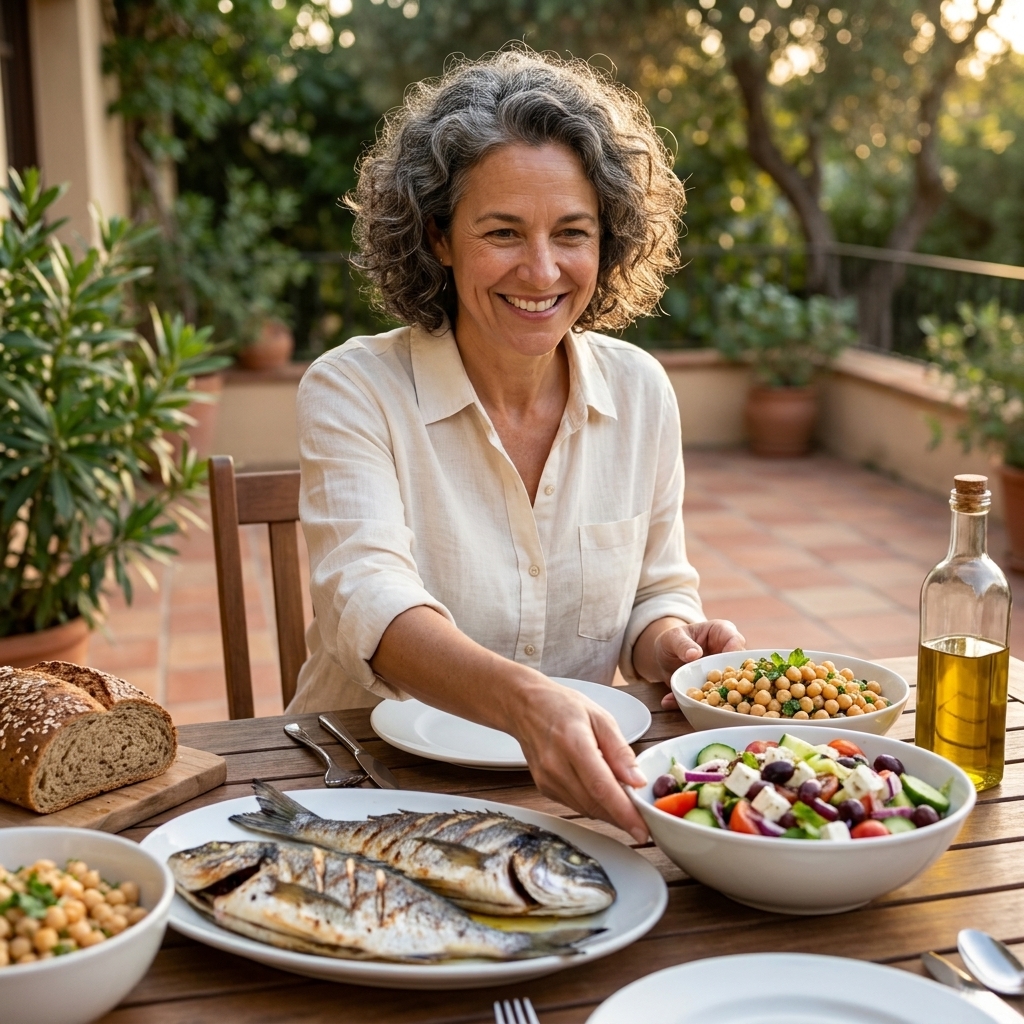
The Mediterranean diet is a pattern inspired by traditional eating habits in parts of Greece, Southern Italy, and surrounding regions. In research, it is generally characterized by:
- High vegetables, fruit, beans, lentils, nuts, seeds, and whole grains
- Primary fat from extra-virgin olive oil
- Moderate fish and seafood, plus some yogurt and cheese
- Lower red and processed meats and sweets
It is less about strict limits and more about emphasizing certain foods consistently.
DASH diet
DASH stands for Dietary Approaches to Stop Hypertension. It was designed specifically to reduce blood pressure and is commonly recommended in clinical guidelines. The core structure emphasizes:
- High vegetables and fruit
- High whole grains
- Regular low-fat or fat-free dairy
- Lean protein sources like poultry, fish, and beans
- Limited sodium, sweets, and saturated fat
DASH is more target-driven than Mediterranean, especially around sodium and saturated fat.
Where the heart benefits come from
Even though Mediterranean and DASH have different origins, they overlap where it matters most for cardiovascular health.
Shared mechanisms that support your heart
- More potassium, magnesium, and fiber from produce, beans, and whole grains, which supports healthier blood pressure and cholesterol
- Less saturated fat (on average) which can reduce LDL cholesterol for many people
- Fewer ultra-processed foods which typically means less sodium and added sugar without needing perfection
- More unsaturated fats from nuts, seeds, fish, and plant oils, supporting healthier lipid patterns
How they differ
Mediterranean tends to lean harder into monounsaturated fats (especially olive oil) and polyphenols from plant foods, which are associated with improvements in inflammation and endothelial function (how well blood vessels dilate).
DASH is built to push two major blood pressure levers in everyday eating: sodium down and minerals and fiber up. In clinical trials, blood pressure reductions can show up within a few weeks, especially when sodium is also reduced.
Mediterranean vs. DASH: which is better for key markers?
When people ask “Which one is best?”, a useful follow-up is: “Best for what?” Heart health is not one number. It is blood pressure, cholesterol, blood sugar, inflammation, weight trends, and what you can sustain for years.
Blood pressure
DASH generally has the edge for blood pressure, especially if hypertension is your main concern. In clinical trials, DASH patterns lower blood pressure, and lowering sodium within DASH tends to enhance the effect further.
The Mediterranean pattern can also improve blood pressure, but DASH was engineered for that outcome.
LDL cholesterol and triglycerides
Both can improve cholesterol, particularly when they replace saturated fats and refined carbs with fiber-rich foods and unsaturated fats.
In practice:
- Mediterranean can be especially helpful for elevated triglycerides when it emphasizes fish, olive oil, nuts, and fewer refined carbs and added sugars. Alcohol intake also matters for triglycerides for many people.
- DASH can be especially effective for LDL when it is paired with lower saturated fat choices and adequate soluble fiber (oats, beans, lentils, apples, citrus).
Inflammation and overall cardiovascular risk
The Mediterranean diet has strong evidence for long-term cardiovascular outcomes, including in large studies and randomized trials such as PREDIMED, likely because of the combination of unsaturated fats, plant diversity, and polyphenol-rich foods.
DASH is also linked to improved cardiovascular risk, and it is a standout option when blood pressure management is the priority.
Weight management
Neither diet is “a weight loss diet,” and I consider that a feature, not a flaw. Many people lose weight on either pattern because meals become more filling and less ultra-processed over time.
The most reliable plan is the one you can follow without feeling like you are constantly on a diet. Consistency beats intensity here.
The biggest practical differences
Sodium: a main focus in DASH
DASH becomes most powerful when sodium is intentionally reduced. That does not mean never eating out again. It usually means learning where sodium hides:
- Restaurant meals and takeout
- Canned soups and packaged sauces
- Deli meats, bacon, sausage, and many plant-based deli alternatives
- Frozen meals and boxed mixes
Many people with hypertension are particularly responsive to sodium reduction. DASH is also often used in both a standard and a lower-sodium version in research and guidelines, so your clinician may tailor the goal to your needs.
Fat type: olive oil is central in Mediterranean
Mediterranean eating is not low-fat. It is fat-smart. Olive oil, nuts, seeds, and fish show up frequently, while butter, cream, and processed meats appear less often.
If you enjoy flavorful cooking and hate the idea of “diet food,” Mediterranean patterns often feel more natural and satisfying.
Dairy: more structured in DASH
DASH typically includes low-fat or fat-free dairy regularly. Mediterranean patterns may include yogurt and cheese, but usually with less emphasis and smaller portions.
If dairy does not agree with you, Mediterranean may be easier to adapt. If you like dairy and do well with it, DASH can be simple to implement.

Which should you choose?
Consider DASH if:
- Your main goal is lowering blood pressure or you have been diagnosed with hypertension
- Your clinician has emphasized sodium restriction
- You prefer clearer structure and portion guidance
- You are comfortable including low-fat dairy regularly
Consider Mediterranean if:
- Your main goal is long-term heart protection with a flexible framework
- You want a plan that feels less clinical and more lifestyle-based
- You enjoy cooking with olive oil, beans, fish, herbs, garlic, and vegetables
- You are focused on improving triglycerides or overall metabolic health alongside heart health
Consider a hybrid if:
Many people do best with a Mediterranean-style DASH approach:
- Mediterranean food choices and fats (olive oil, nuts, fish)
- DASH-level attention to sodium and ultra-processed foods
- Plenty of produce, beans, and whole grains from both
If that sounds too simple, remember: simple is usually what works.
What a day of eating can look like
You do not need perfect meals. You need repeatable defaults. Here are two examples that are realistic and heart-forward.
Mediterranean-leaning day
- Breakfast: Greek yogurt (or unsweetened non-dairy yogurt) with berries, walnuts, and a sprinkle of oats
- Lunch: Big salad with chickpeas, cucumber, tomatoes, olives, feta, and olive oil plus lemon
- Snack: Apple with peanut butter or a small handful of mixed nuts
- Dinner: Baked salmon, roasted vegetables, and farro or brown rice
DASH-leaning day
- Breakfast: Oatmeal topped with banana and cinnamon, plus low-fat milk or fortified soy milk
- Lunch: Turkey and veggie wrap on a whole-grain tortilla with a side of fruit (choose lower-sodium deli meat if possible)
- Snack: Carrots and hummus
- Dinner: Chicken and vegetable stir-fry with brown rice, using low-sodium broth or sauce
Notice the overlap: produce, whole grains, legumes, and lean proteins show up either way.
Common pitfalls
1) “Mediterranean” packaged foods that are still ultra-processed
Cookies with olive oil are still cookies. Chips made with “avocado oil” are still chips. Enjoy them if you love them, but do not mistake marketing for a heart-health pattern.
2) Going low-sodium but living on bland food
Lower-sodium can taste great if you build flavor with:
- Garlic, onions, citrus, vinegar
- Herbs and spices
- Salt-free seasoning blends
- Toasting spices or roasting vegetables to deepen flavor
3) Forgetting fiber
For cholesterol and blood sugar support, fiber is one of your best friends. Aim to include at least one high-fiber anchor per meal: beans, lentils, oats, chia, berries, pears, or vegetables you actually enjoy.
4) Overcorrecting into perfectionism
This is a common wellness-culture trap. If one restaurant meal is salty, the answer is not shame. The answer is your next meal can be more potassium-rich and home-cooked. Hearts benefit from patterns, not punishment.
Getting started: simple upgrades
- Swap butter-heavy fats for olive oil most days
- Add one bean-based meal per week and build from there
- Choose whole grains you will actually eat, like oats, brown rice, whole-wheat pasta, farro, or corn tortillas
- Plan two fish meals per week if you enjoy seafood (canned salmon or sardines count)
- Reduce sodium by targeting one category first, such as soups, sauces, or deli meats
- Keep easy produce visible, like washed grapes, baby carrots, pre-cut bell peppers, or frozen veggies

FAQ
Which diet is best if I have high blood pressure?
DASH is often the first pick for diagnosed hypertension because it was specifically tested for blood pressure reduction. If you prefer Mediterranean foods, you can still get excellent results by combining Mediterranean staples with DASH-level attention to sodium.
Which is best for high cholesterol?
Both can help. Focus on the shared fundamentals: more soluble fiber (oats, beans, lentils), more unsaturated fats (olive oil, nuts, fish), and fewer saturated fats and ultra-processed foods. If LDL remains high, talk with your clinician about additional strategies, including medication when appropriate.
Do I have to count calories on either diet?
No. Neither diet requires calorie counting to improve heart markers. Portion awareness helps, but the biggest wins come from food quality and consistency.
Do I need to drink wine on the Mediterranean diet?
No. Wine is not required for Mediterranean-style eating, and alcohol is not a heart-health “must.” For some people, alcohol can raise blood pressure and triglycerides, so if you drink, keep it moderate and discuss what is appropriate for you with your clinician.
Is the Mediterranean diet safe if I am trying to lose weight?
Yes. It can support weight loss for many people because it is satisfying and fiber-rich, even though it includes healthy fats. The key is keeping portions of calorie-dense foods like oil, nuts, and cheese reasonable, not eliminating them.
What if I have diabetes or prediabetes?
Both patterns can be helpful. Mediterranean approaches often work especially well because they tend to reduce refined carbs and emphasize fats and fiber that support steadier blood sugar. For DASH, prioritize whole grains over refined grains and watch added sugars.
Who should check with a clinician or dietitian first?
If you have chronic kidney disease, heart failure, or you take medications that affect potassium (such as ACE inhibitors, ARBs, or potassium-sparing diuretics), get individualized guidance before making a big jump in high-potassium foods or salt substitutes. A registered dietitian can also help tailor DASH or Mediterranean patterns to your labs, medications, and preferences.
The bottom line
If you want the most straightforward answer: DASH is especially strong for lowering blood pressure, and Mediterranean has especially strong evidence for long-term cardiovascular protection. But the real-world answer is simpler: choose the one you will happily repeat.
Your heart does not need a perfect diet. It needs a steady pattern built from plants, fiber, and healthier fats, with sodium and ultra-processed foods kept in check most of the time.
If you want a starting point that works for almost everyone, try this: Mediterranean-style meals, DASH-level sodium awareness, and no moralizing about food.