A science-backed comparison of Mediterranean vs. DASH for blood pressure, cholesterol, inflammation, and long-term cardiovascular risk, plus practical tips t...
Calma Path
October 18, 2026
Updated October 18, 2026
The Anti-Inflammatory Diet
Learn what chronic inflammation is, which foods may reduce it, which foods can worsen it, and follow a simple 7-day anti-inflammatory meal plan to get started without dieting extremes.

Written by
Maya Reynolds
Maya Reynolds is a registered nurse turned wellness educator who specializes in translating clinical research into accessible, everyday health habits. She is passionate about helping people sustainably improve their fitness, sleep, and nutrition without the pressure of toxic wellness culture.
When I was working hospital shifts, I thought feeling puffy, achy, and exhausted was just part of adulthood. Later, while digging into research on sleep, stress, and metabolic health, I learned a frustrating truth: chronic, low-grade inflammation can quietly build in the background, and our everyday food patterns can either cool it down or keep poking the fire.
The good news is you do not need a cleanse, a pricey supplement stack, or a life built around food rules. An anti-inflammatory way of eating is really a return to basics: fiber-rich plants, healthy fats, adequate protein, and fewer ultra-processed foods. Below you will find clear “eat more” and “eat less” lists, plus a realistic 7-day starter plan you can repeat and remix.
What inflammation is and when it matters
Inflammation is your immune system doing its job. Acute inflammation is protective. Think of a swollen ankle after a sprain or a fever during an infection. The trouble starts when inflammation stays slightly “on” for months or years.
Chronic, low-grade inflammation is associated with many common health issues, including cardiometabolic disease risk, type 2 diabetes risk, fatty liver disease, and some autoimmune conditions. Diet is not the only lever, but it is a powerful one because it can influence:
- Gut health (fiber feeds beneficial bacteria that produce anti-inflammatory compounds like short-chain fatty acids)
- Blood sugar stability (frequent spikes are associated with higher inflammatory markers and may contribute over time)
- Oxidative stress (antioxidant-rich foods help support balance)
- Fatty acid balance (more omega-3s and fewer industrial trans fats tends to be supportive)
If you are living with an inflammatory condition or taking medications like blood thinners, talk with your clinician or dietitian before making major changes. Food is supportive, not a replacement for medical care.
The pattern that holds up in research
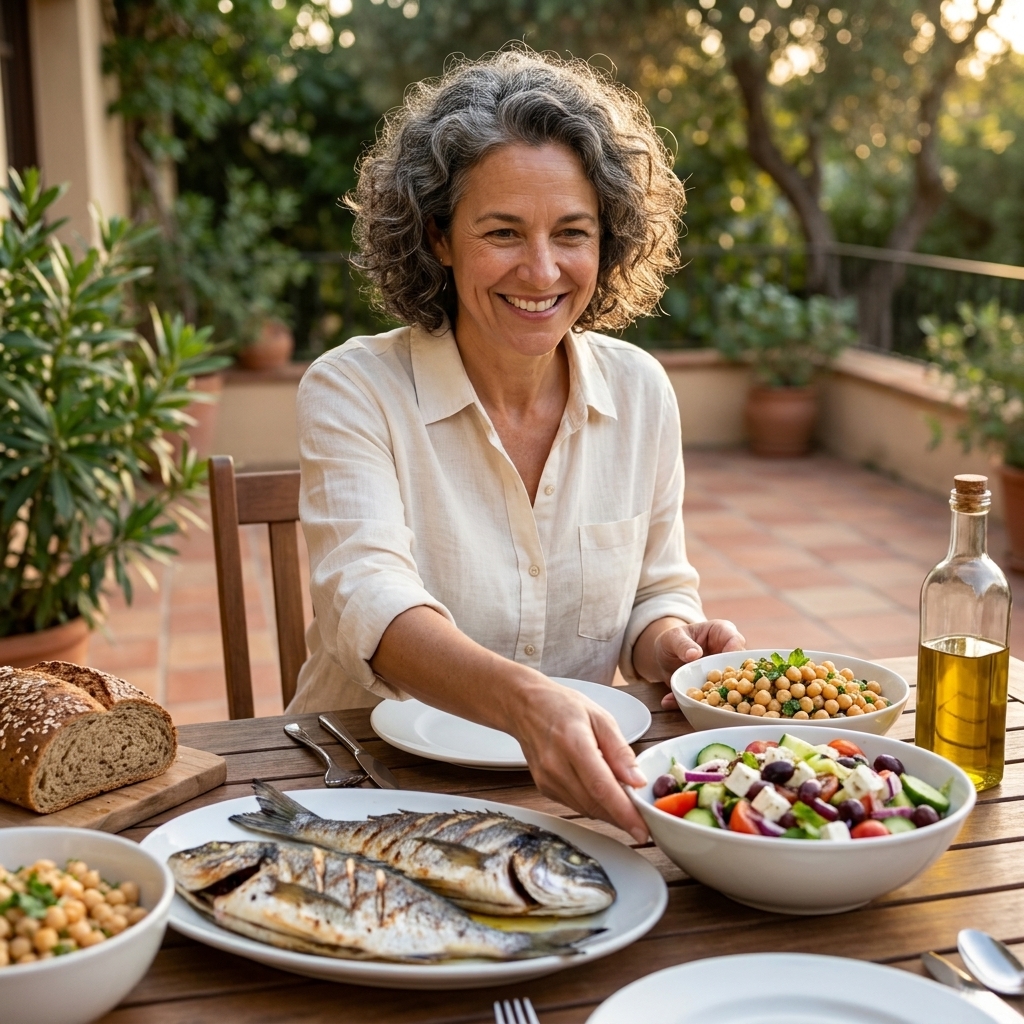
There is no single official “anti-inflammatory diet,” but the most consistently supported pattern looks a lot like a Mediterranean-style approach: plenty of plants, olive oil as a primary fat, seafood regularly, beans and whole grains for fiber, nuts and seeds, and limited ultra-processed foods and sugary drinks.
In research, this pattern is frequently associated with lower inflammatory markers like C-reactive protein (CRP) and IL-6 in many populations, especially when it replaces a diet high in refined grains, added sugars, and processed meats.
Rule of thumb: Build meals from whole or minimally processed foods most of the time, then choose treats on purpose, not by accident.
Foods to eat more often
Think of this list as your “cooling foods” toolkit. You do not need all of them every day. Aim for variety across the week.
1) Colorful vegetables and fruits
Plants bring fiber plus polyphenols and carotenoids, which support antioxidant defenses and a healthier gut ecosystem.
- Go-to vegetables: leafy greens, broccoli, cauliflower, Brussels sprouts, peppers, tomatoes, mushrooms, onions
- Go-to fruits: berries, oranges, cherries, grapes, kiwi
2) Extra-virgin olive oil
Extra-virgin olive oil is rich in monounsaturated fats and polyphenols. Use it for salad dressings, to finish roasted vegetables, or for everyday cooking at typical home temperatures.
3) Omega-3 rich seafood
EPA and DHA (omega-3s) are linked to inflammation-modulating effects. If you eat fish, try to include it two times per week.
- Salmon, sardines, trout, anchovies, mackerel
4) Nuts and seeds
These add fiber, minerals, and healthy fats.
- Walnuts, almonds, pistachios
- Ground flaxseed, chia seeds, hemp hearts
5) Beans, lentils, and soy foods
Legumes support blood sugar stability and gut health because they are high in fiber and resistant starch.
- Chickpeas, black beans, lentils
- Edamame, tofu, tempeh
6) Whole grains (as tolerated)
Oats, quinoa, brown rice, barley, and farro can be helpful swaps for refined grains, especially for fiber and steadier energy. If you have celiac disease or gluten sensitivity, choose gluten-free whole grains.
7) Herbs, spices, and fermented foods
Herbs and spices are an easy, budget-friendly add-on with a lot of upside.
- Spices: turmeric, ginger, cinnamon, garlic, black pepper
- Fermented foods: plain yogurt or kefir, kimchi, sauerkraut, miso (choose lower-sodium options if you need to, and balance salty foods with plenty of potassium-rich produce)

Foods to limit (not never) and why
I do not love fear-based food lists. Still, certain foods are consistently associated with higher inflammation risk when they become dietary staples, especially in the context of low fiber intake and sedentary, high-stress living.
1) Ultra-processed foods
These are foods made mostly from refined ingredients and additives, designed to be shelf-stable and hyper-palatable. When they crowd out fiber-rich whole foods, inflammation risk tends to move in the wrong direction.
- Packaged snack cakes, chips, sugary cereals
- Fast food meals most days of the week
- Frozen meals with long ingredient lists and low fiber
2) Sugary drinks and frequent high-sugar treats
Sugary beverages are easy to overconsume and can drive repeated blood sugar spikes.
- Soda, sweet tea, energy drinks, sweet coffee drinks
- Juice cocktails
3) Refined grains as the default
White bread, pastries, and many crackers are low in fiber and can displace more nutrient-dense options.
4) Processed meats
Hot dogs, bacon, sausage, deli meats, and many jerky products are associated with higher risk of cardiovascular disease and type 2 diabetes in observational research. If you enjoy them, think “sometimes food,” not “daily protein plan.”
5) Excess alcohol
Alcohol can disrupt sleep, irritate the gut, and may worsen inflammation, especially at higher intakes. If you drink, keeping it modest and building in alcohol-free days can help.
Gentle mindset shift: Focus on what you can add (fiber, color, omega-3s) before you aggressively restrict. Most people see better consistency that way.
Your anti-inflammatory plate
Use this as your no-jargon default.
- Half the plate: non-starchy vegetables (plus fruit on the side if you want)
- One quarter: protein (fish, beans, tofu, chicken, eggs, Greek yogurt)
- One quarter: high-fiber carbs (beans, lentils, oats, quinoa, brown rice, sweet potato)
- Add: healthy fat (olive oil, avocado, nuts, seeds)
- Finish: herbs and spices (garlic, ginger, turmeric, parsley, cinnamon)
If you are very active, pregnant, recovering from illness, or managing blood sugar with medication, your needs may differ. The “plate” is a starting point, not a moral scorecard.
One practical note: if you are currently low-fiber, increase beans, lentils, and whole grains gradually and drink enough water. A sudden fiber jump can backfire on your digestion.
7-day anti-inflammatory starter plan
This plan is designed for normal life: repeat ingredients, minimal fuss, and flexible portions. Mix and match meals as needed. If you are cooking for a family, you can keep bases the same and let everyone add toppings.
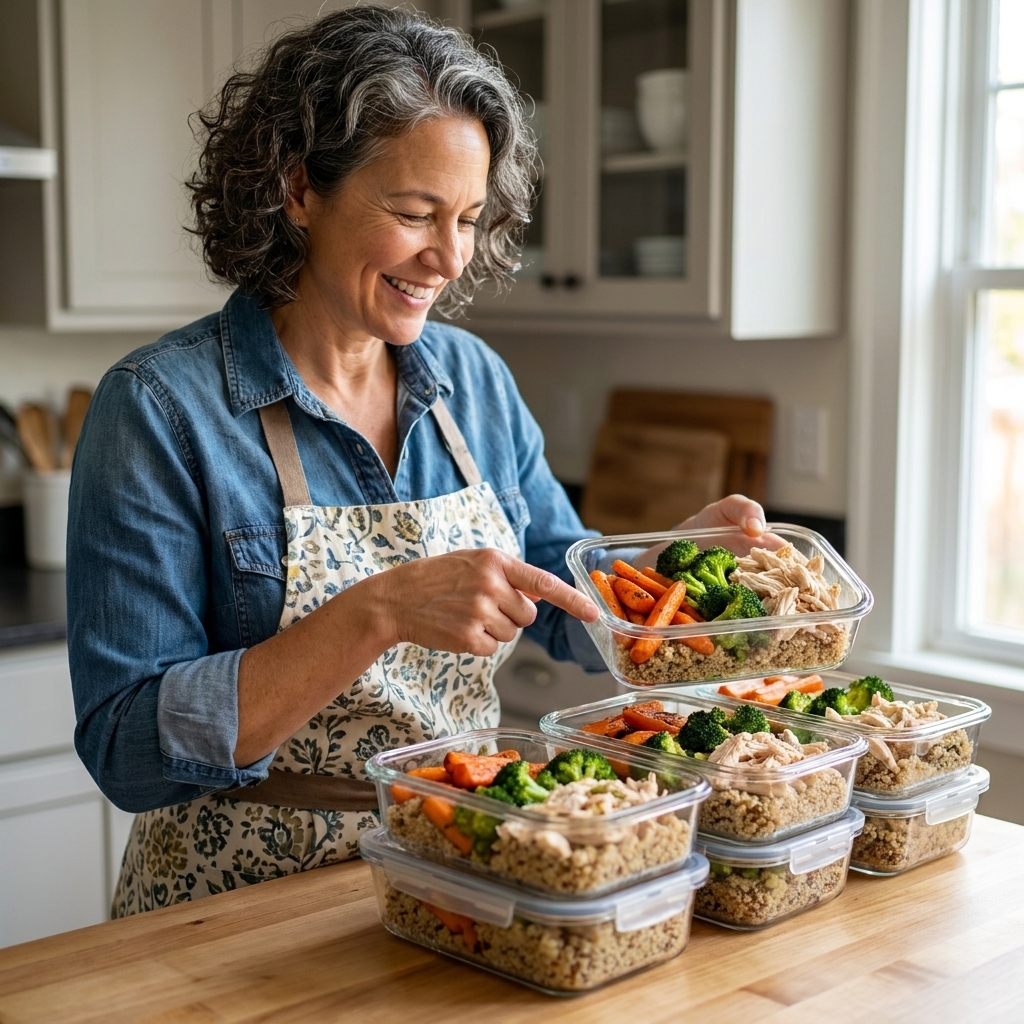
How to prep once
- Cook one big batch of grains (quinoa or brown rice)
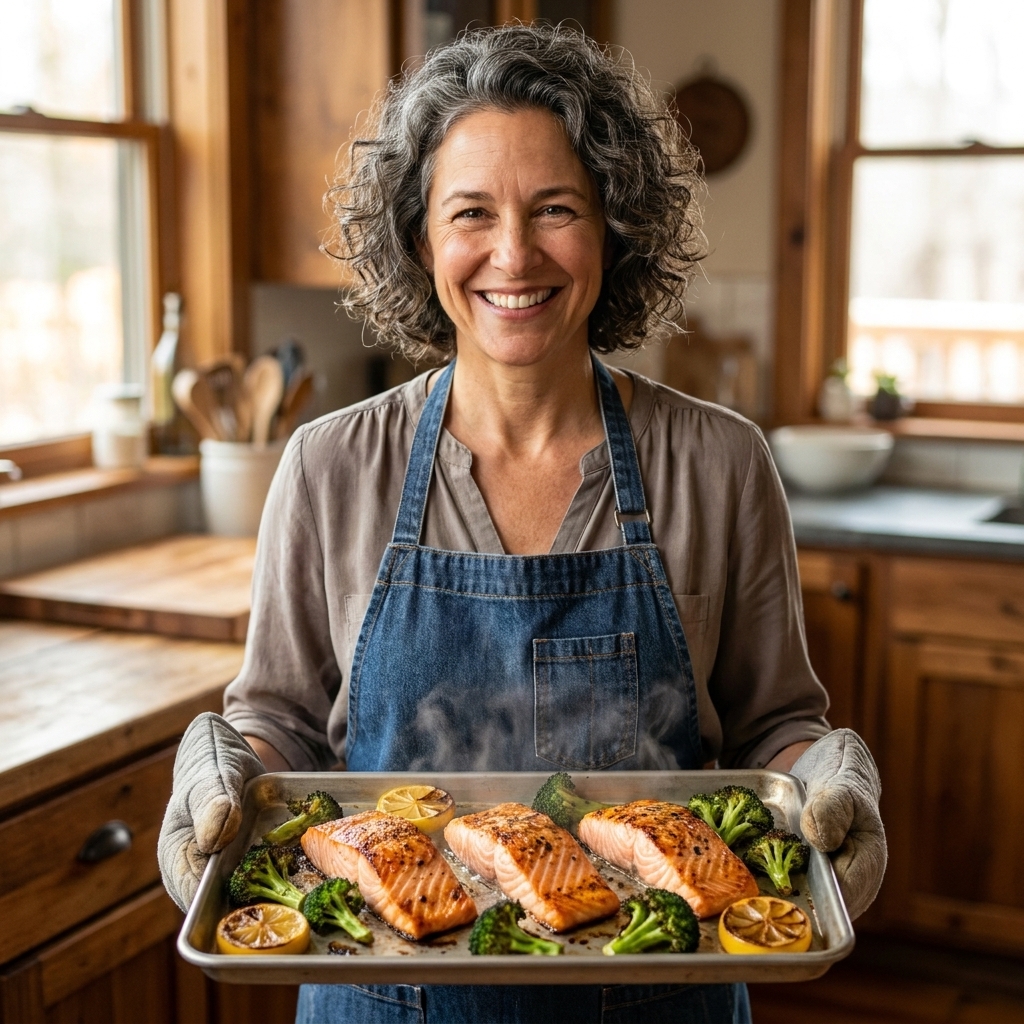
- Roast two sheet pans of vegetables (broccoli, peppers, onions, zucchini)
- Wash and dry greens for salads
- Make one dressing: olive oil + lemon + Dijon + minced garlic
- Choose two proteins to batch cook: salmon or chicken, plus lentils or chickpeas
Day 1
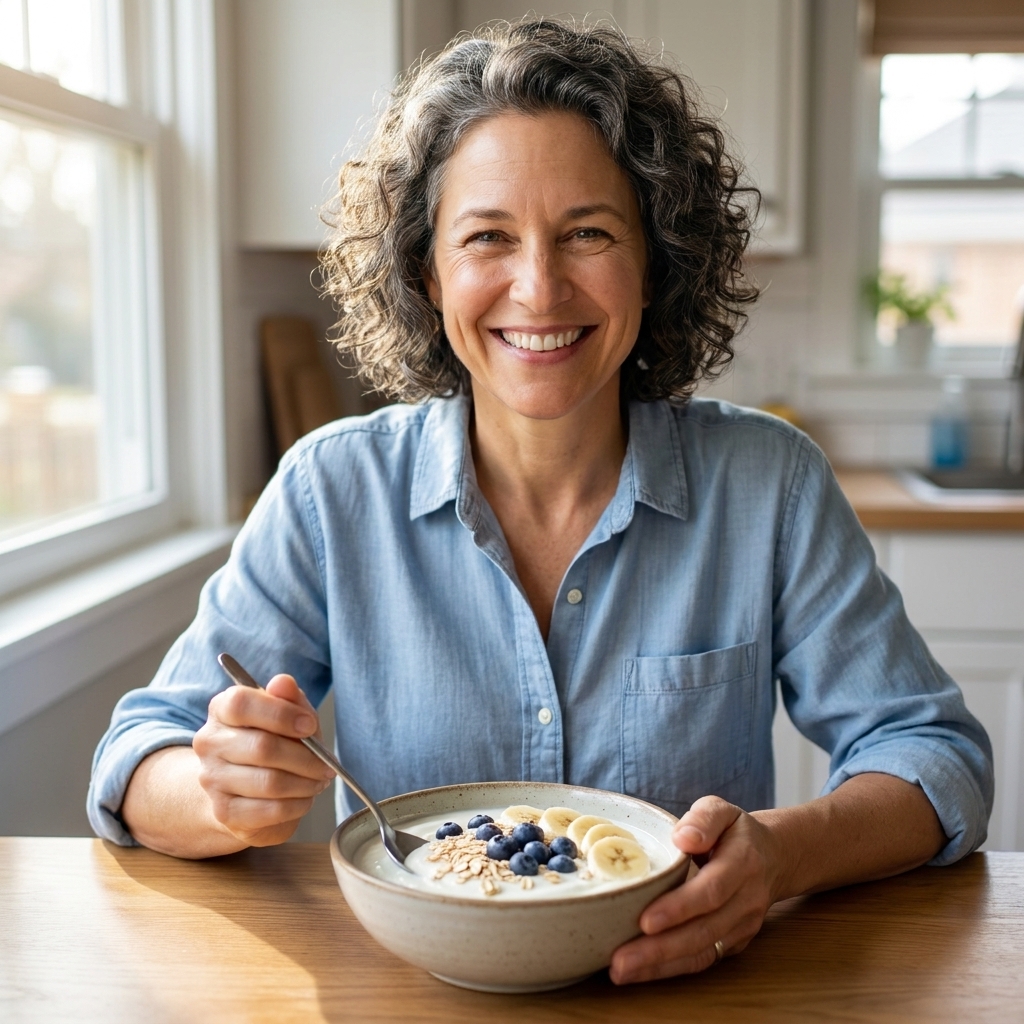
- Breakfast: Greek yogurt with berries, chopped walnuts, and cinnamon
- Lunch: Big salad with mixed greens, chickpeas, cucumber, tomatoes, olives, olive oil and lemon dressing
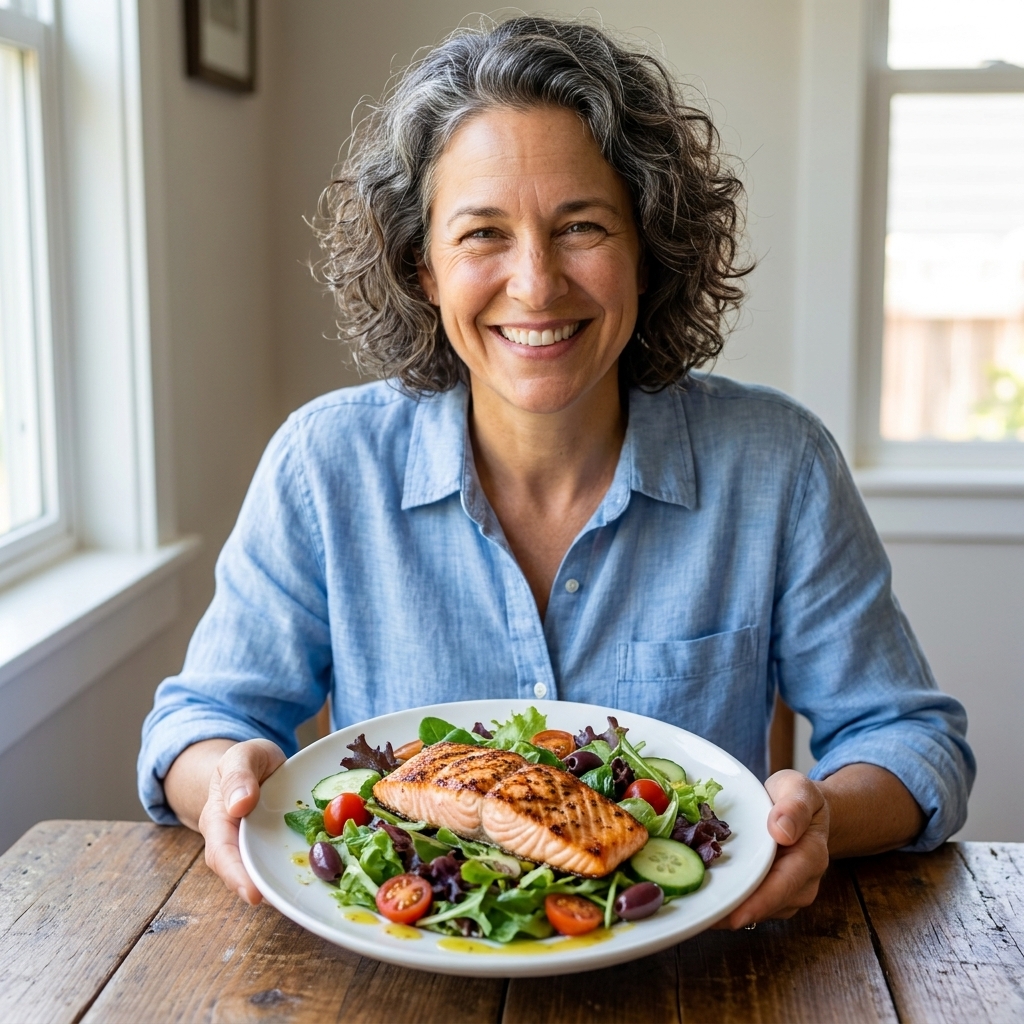
- Dinner: Sheet-pan salmon with roasted broccoli and quinoa
- Snack (optional): Apple with peanut butter
Day 2
- Breakfast: Oatmeal cooked with milk or soy milk, topped with chia seeds and frozen berries
- Lunch: Leftover salmon over greens with extra roasted vegetables
- Dinner: Lentil and vegetable soup, side salad with olive oil dressing
- Snack (optional): Carrots and hummus
Day 3
- Breakfast: Veggie omelet or tofu scramble with spinach and mushrooms, fruit on the side
- Lunch: Grain bowl: quinoa, roasted vegetables, chickpeas, avocado, pumpkin seeds
- Dinner: Turkey or bean chili topped with plain yogurt and chopped cilantro
- Snack (optional): Handful of mixed nuts
Day 4
- Breakfast: Smoothie: spinach, berries, protein (Greek yogurt or protein powder), ground flax, unsweetened milk
- Lunch: Leftover chili with a side of sliced bell peppers
- Dinner: Stir-fry with tofu or chicken, mixed vegetables, garlic, ginger, served over brown rice
- Snack (optional): Cottage cheese or kefir with cinnamon
Day 5
- Breakfast: Overnight oats with chia, berries, and a spoon of almond butter
- Lunch: Tuna salad (olive oil based) on a bed of greens with tomatoes and cucumbers
- Dinner: Whole grain pasta with olive oil, garlic, sautéed greens, and white beans
- Snack (optional): Orange and a few almonds
Day 6
- Breakfast: Avocado toast on whole grain bread with an egg, plus fruit
- Lunch: Leftover pasta and beans, side salad
- Dinner: Baked trout or salmon, roasted Brussels sprouts, sweet potato
- Snack (optional): Dark chocolate square (70%+), if you want something sweet
Day 7
- Breakfast: Yogurt bowl with berries, flax, and pumpkin seeds
- Lunch: “Clean out the fridge” bowl: greens + leftover roasted vegetables + protein + olive oil dressing
- Dinner: Chickpea curry with spinach, tomatoes, and spices, served over brown rice or quinoa
- Snack (optional): Pear with walnuts
Grocery list for the week
Adjust quantities to your household. If you are cooking for one, frozen vegetables and frozen berries are your best friends.
Produce
- Mixed greens or spinach
- Broccoli, Brussels sprouts, peppers, onions, mushrooms
- Cucumbers, tomatoes
- Sweet potatoes
- Garlic, ginger, lemons
- Berries (fresh or frozen), apples, oranges, pears
- Avocados (optional)
Proteins
- Salmon or trout (two meals)
- Eggs and/or tofu/tempeh
- Greek yogurt or kefir (plain)
- Canned tuna or sardines (optional)
- Chicken or turkey (optional)
Fiber carbs
- Oats
- Quinoa or brown rice
- Whole grain bread or whole grain pasta
- Lentils (dry or canned)
- Chickpeas and/or black beans (canned is fine)
Fats, nuts, and pantry
- Extra-virgin olive oil
- Walnuts or mixed nuts
- Chia seeds and ground flaxseed
- Olives
- Nut butter
- Spices: turmeric, cinnamon, black pepper, chili powder, cumin
- Dijon mustard
Common questions
Do I need to cut out gluten or dairy?
Not automatically. For people with celiac disease, non-celiac gluten sensitivity, or certain autoimmune conditions, gluten avoidance may matter. For many others, the bigger driver is overall diet quality and fiber intake. With dairy, some people do better with fermented options like yogurt or kefir, while others prefer less dairy. If you suspect intolerance, try a short, structured trial and track symptoms, ideally with professional guidance.
What about nightshades?
Despite loud internet claims, many people tolerate nightshades well, and they contain helpful phytonutrients. If you notice consistent symptom flares after eating them, that is personal data worth exploring, but it is not a universal rule.
Is coffee inflammatory?
For many people, coffee in moderate amounts is neutral or even associated with benefits in observational research. The bigger issue is what is added. Sugary syrups and whipped cream daily can push intake toward a more pro-inflammatory pattern. Also, caffeine too late can wreck sleep, and poor sleep is associated with higher inflammation. Timing matters.
How fast will I feel a difference?
Some people notice steadier energy and digestion within one to two weeks, especially when increasing fiber gradually and reducing ultra-processed foods. Changes in lab markers can take longer and depend on the whole lifestyle picture, including sleep, movement, and stress.
What is the single most important change?
If I had to pick one, it is more plants and more fiber. Add vegetables to two meals per day and include beans or lentils a few times per week. That one shift supports gut health, blood sugar stability, and satiety.
A calm way to start
If this feels like a lot, start with one meal. Choose either breakfast or dinner and make it anti-inflammatory for a week.
- Breakfast starter: oatmeal + berries + chia
- Dinner starter: salmon (or beans) + roasted vegetables + olive oil
That is it. You are not behind. You are not failing if you eat a cookie. You are building a pattern your body can trust. Consistency beats intensity, every time.