
A research-backed look at amino acid profiles, digestibility, leucine, and practical ways to build muscle on plant-based or omnivorous diets without hype.
Calma Path
October 18, 2026
Updated October 18, 2026
Free Weights vs. Machines: Which Builds Muscle and Strength Better?
Free weights and machines can both build muscle and strength. Learn the real differences, what research suggests, and how to choose or combine them for your goals and joints.

Written by
Maya Reynolds
Maya Reynolds is a registered nurse turned wellness educator who specializes in translating clinical research into accessible, everyday health habits. She is passionate about helping people sustainably improve their fitness, sleep, and nutrition without the pressure of toxic wellness culture.
If you have ever wandered into a gym and felt personally judged by the dumbbell rack on one side and the shiny machine lineup on the other, you are not alone. The good news is that your muscles are not loyal to brands or vibes. They respond to tension, effort, enough volume, and progressive overload over time.
Free weights and machines can both deliver that. The better question is usually: Which option helps you train hard, safely, and consistently for your specific goal, schedule, and body?
The quick takeaway
- For muscle growth (hypertrophy): Free weights and machines are both effective when sets are taken close to muscular failure and you progressively increase challenge over time.
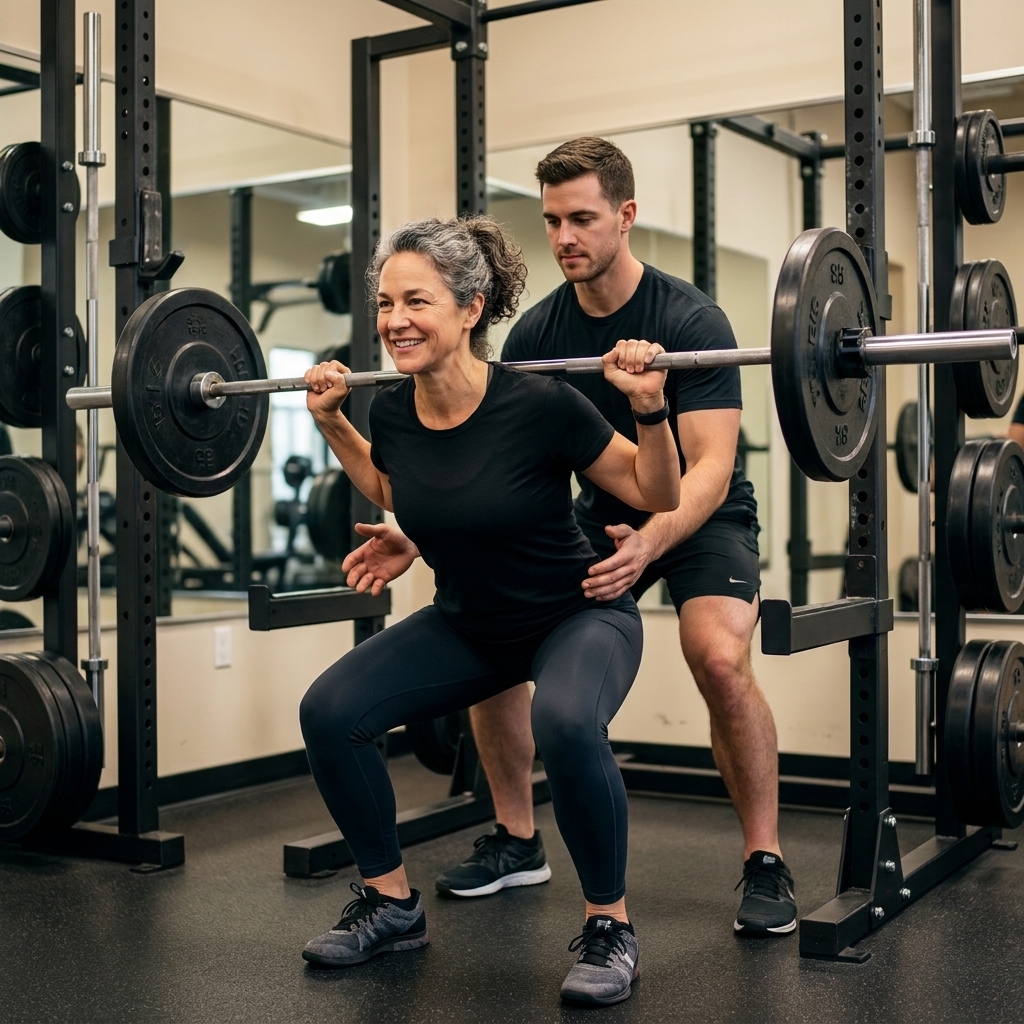
- For maximal strength in specific barbell lifts: Free weights are more specific and usually win because strength is skill dependent.
- For beginners: Machines can make it easier to learn effort and consistency with less technique barrier. Free weights are still great, just start with simpler patterns and lighter loads.
- For joint comfort and training around pain: Machines can be easier to customize and stabilize, but plenty of people feel better with dumbbells or cables. Comfort matters.
- Best answer for most people: A smart mix tends to be the most sustainable way to get strong and build muscle.
What builds muscle and strength
Before we compare equipment, it helps to name the big rocks that drive results.
Muscle growth
Hypertrophy is strongly influenced by:
- Mechanical tension: Your muscle producing force under load.
- Training close to failure: Not every set needs to be all-out, but consistently stopping far from failure leaves gains on the table.
- Enough weekly volume: A useful starting range for many people is around 10 to 20 hard sets per muscle group per week, adjusted to recovery and experience. Beginners often need less. Advanced trainees sometimes benefit from more.
- Progression: More reps with the same weight, more weight for the same reps, more total hard sets, or better control and range of motion.
Strength
Strength is a mix of:
- Muscle size (bigger muscles can generally produce more force).
- Neural adaptation (your nervous system learning to recruit muscle efficiently).
- Skill (especially in free weight compound lifts where balance and coordination matter).
This skill piece is why someone can build impressive legs on machines yet feel clumsy under a barbell squat at first. That is not a failure. It is specificity.
Free weights: pros and cons
Why they work so well
- Carryover for tasks that require full-body control: Free weights can have higher carryover to activities that demand you stabilize your body in space while producing force. That carryover is still task-specific.
- Excellent for compound lifts: Squats, deadlifts, presses, rows, and carries can train a lot of muscle at once.
- Easy progressive overload: Add small amounts of weight, reps, sets, or tempo changes.
- Efficient workouts: A few big lifts can cover a lot of ground when time is limited.
The tradeoffs
- Technique can be a bottleneck: Your grip, balance, or coordination might limit you before the target muscle does.
- Fatigue cost can be higher: Heavy free weight compounds can be systemically taxing, which matters if you are juggling stress, sleep debt, or a packed schedule.
- Spotting and setup: Some movements are less beginner friendly without a rack, safety bars, or a spotter.
As a former bedside nurse, I will say this plainly: if an exercise makes you anxious about getting stuck, you are less likely to train consistently. Consistency beats the perfect exercise every time.
Machines: pros and cons
Why they are underrated
- More stability, more effort where it counts: When the machine stabilizes you, it is often easier to push closer to failure with less form breakdown.
- Great for targeted hypertrophy: Leg extensions, hamstring curls, pec deck, lateral raise machines, and certain back machines can be incredibly effective.
- Often easier to standardize: Same seat height, same path, same setup can make progression more straightforward.
- Joint-friendly options: Some machines allow adjustments that reduce aggravation for shoulders, low back, hips, or knees.
The tradeoffs
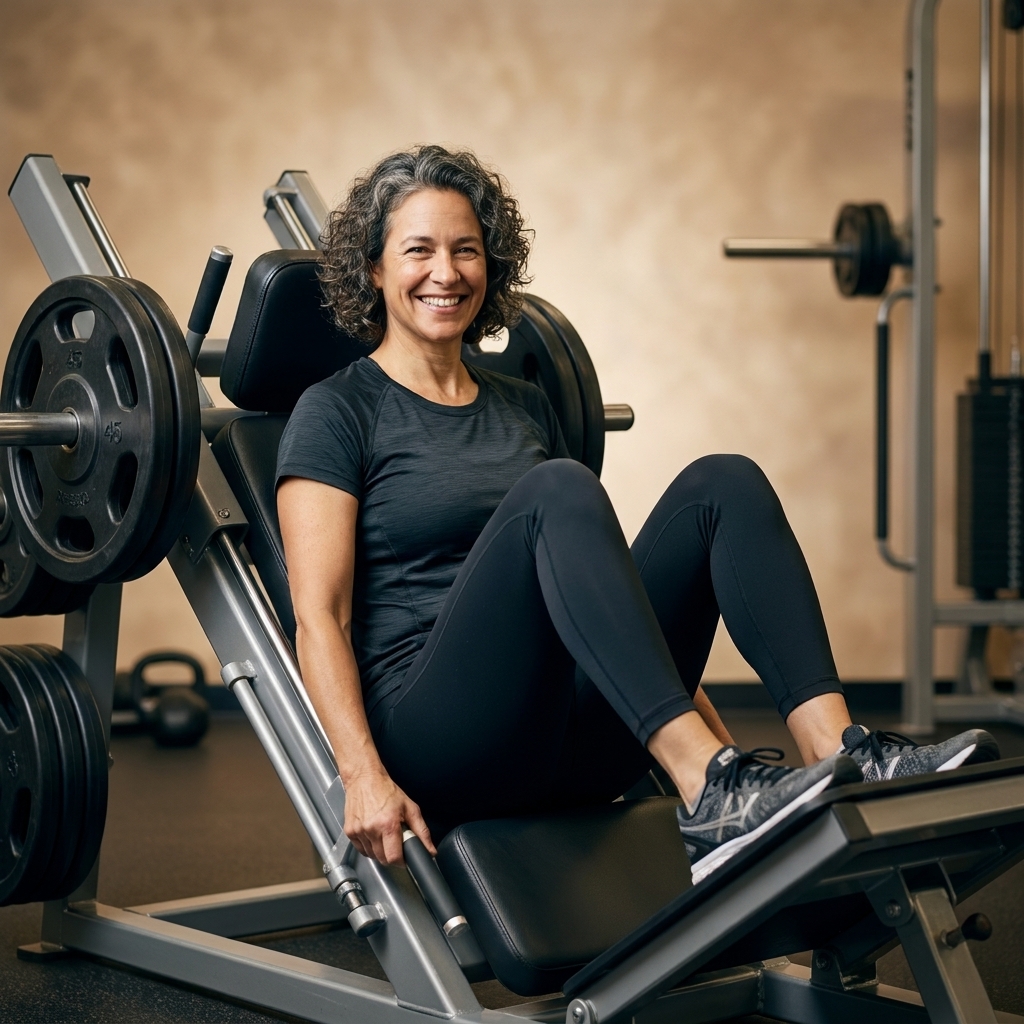
- Strength is more machine specific: You can get very strong on a leg press without that mapping perfectly to a barbell squat.
- Fit matters: Machines are built for an average body, and not everyone is average. If your joint angles feel off, you may end up fighting the machine.
- Setup still matters: A poorly adjusted seat, back pad, or start position can turn a good machine into an annoying one fast.
- Access can be limited: Busy gyms and limited machine variety can make it hard to follow a consistent plan.
Where cables fit
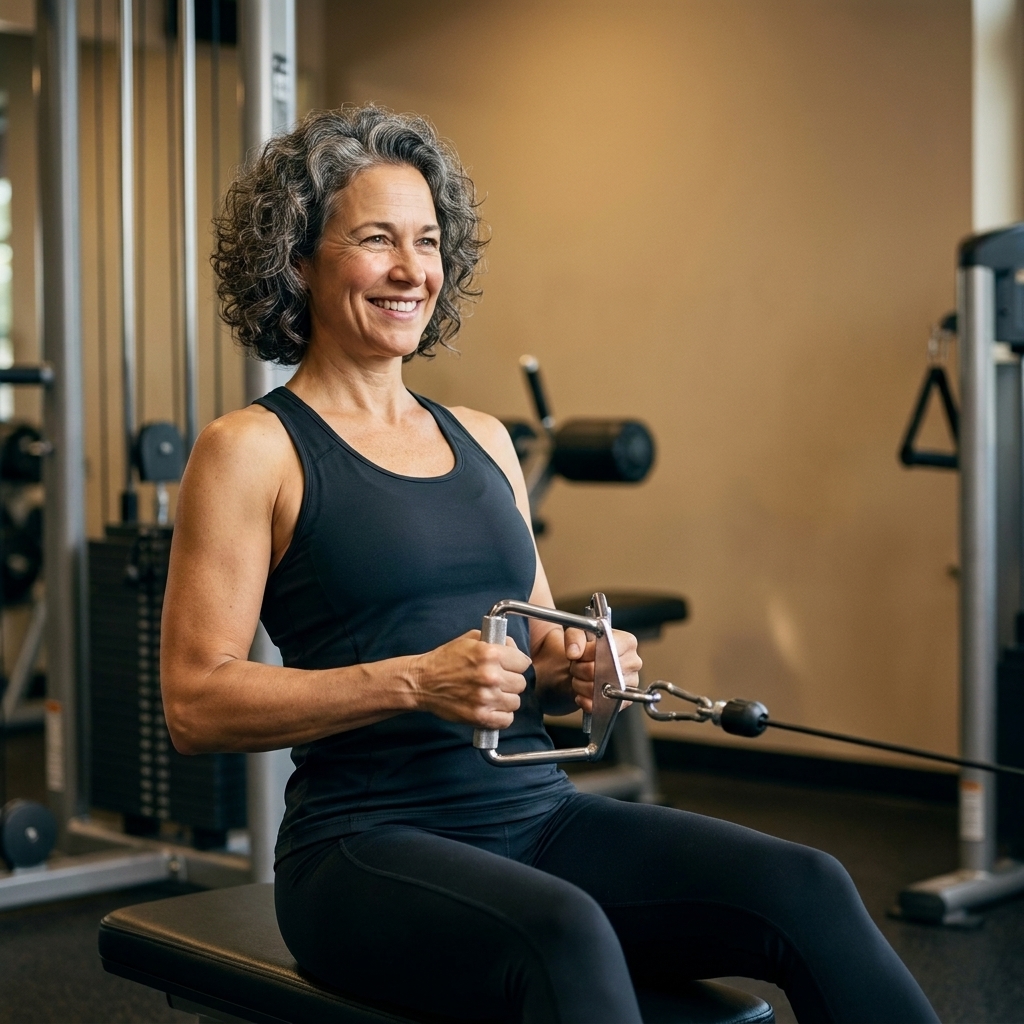
Cables deserve their own quick shoutout because they sit in the middle. They usually let you choose your own path like free weights, but they can feel more stable and consistent rep to rep, like machines. They are also great for keeping tension through a range of motion, which is why cable flyes, lateral raises, rows, and triceps work show up in so many solid programs.
Which builds more muscle?
When training volume and effort are matched, research generally suggests that both free weights and machines can produce similar hypertrophy outcomes for many muscle groups. Results can still vary by muscle, exercise selection, range of motion, and how well a particular machine fits your body.
In real life, the winner is usually the one that lets you:
- Train the target muscle through a comfortable range of motion
- Accumulate enough hard sets per week
- Progress over months, not just a motivated week
- Recover well enough to repeat it
Machines can be a quiet advantage for hypertrophy because they often make it easier to train hard, close to failure, without your technique collapsing. Free weights can be a quiet advantage because they let you load big patterns efficiently and build coordination under load.
My practical rule: If your goal is muscle, pick the tool that lets you feel the target muscle working, control the movement, and add challenge over time without your joints arguing with you.
Which builds more strength?
It depends what you mean by strength.
1-rep max on barbell lifts
Free weights usually win because strength is specific. To be strong at a barbell bench press, you need to practice the barbell bench press (or very close variations).
Strength for daily life
Both can help. Standing up from chairs, carrying groceries, lifting a suitcase, hiking hills, and protecting your back all benefit from stronger muscles. Free weights add more balance and stabilization demands. Machines can still build meaningful strength that shows up outside the gym.
Steady strength with lower risk
Machines often make it easier for people who are new, returning after time off, or managing pain. You can load muscles without worrying as much about failing under a bar. That said, free weights can also be trained safely near failure with smart setups like safety pins, spotter arms, and appropriate exercise selection.
Why some moves feel harder
One reason an exercise can feel great on one tool and awkward on another is the resistance profile. Free weights load you against gravity, so the hardest part is often where leverage is worst. Machines can use cams and levers that change resistance through the rep. That can make a machine feel brutally hard in the midrange, or strangely easy at the bottom, depending on the design. If a movement feels wrong, it might not be you. It might be the match between your body and the tool.
Choose based on your goal
Goal: Build muscle with minimal fuss
- Use machines for: leg press, hack squat, leg extension, hamstring curl, chest press, lat pulldown, seated row
- Add free weights for: dumbbell presses, rows, Romanian deadlifts, split squats
This approach tends to be joint friendly and time efficient, while still giving you plenty of overload potential.
Goal: Get strong at squats, deadlifts, presses
- Make free weight compounds the backbone: squat pattern, hinge pattern, horizontal press, vertical press, row, pull
- Use machines and cables as accessories to add volume without crushing recovery: leg curl, leg extension, chest-supported row, cable triceps work
Goal: Beginner building confidence
- Start with machines for 2 to 4 weeks to learn what hard but safe feels like
- Layer in free weights gradually: goblet squat, dumbbell Romanian deadlift, dumbbell bench press, one-arm row
- Keep reps a bit higher (8 to 15) while technique is dialed in
Goal: Train around cranky joints
- Choose the version that feels smooth and stable on the joint, even if it is not the trendy one
- Prioritize controlled tempo, pain-free range, and moderate loads
- If pain persists or is sharp, consider a physical therapist evaluation
Joint pain is not a morality test. It is information.
Common myths
Myth: Free weights are always better because they use stabilizers
Stabilizers matter, but you can also train them directly with carries, split squats, single-leg hinges, and cables. Meanwhile, machines can make it easier to accumulate high-quality sets close to failure, which is excellent for hypertrophy.
Myth: Machines are only for beginners
Plenty of advanced lifters use machines to drive muscle growth with less fatigue and more targeted work. The best bodybuilders and strength athletes in the world use machines. They are tools, not training wheels.
Myth: Machines are safer by default
Machines can reduce certain risks, but poor setup or forcing an uncomfortable path can still irritate joints. Safety comes from good form, sane progression, and appropriate exercise selection for your anatomy and history.
Myth: You need one or the other
You can mix them within the same workout: barbell squats, then leg extensions. Dumbbell bench, then machine chest press. This is often the sweet spot.
A simple plan
If decision fatigue is your main barrier, here is a straightforward full-body plan you can run 2 to 3 days per week. Aim for 2 to 4 sets per exercise, resting 1 to 3 minutes depending on effort. Pick loads that leave about 1 to 3 reps in reserve on most sets, occasionally pushing closer to failure on safer machine and isolation work.
Rep ranges: For big compound lifts, live mostly in the 6 to 10 range. For machine and cable work, 10 to 15 is a solid default. For isolations like lateral raises and leg extensions, 12 to 20 often feels better on joints and lets you train hard with control.
Day A
- Free weights: Goblet squat or barbell squat (6 to 10 reps)
- Machine or cable: Seated row (8 to 12 reps)
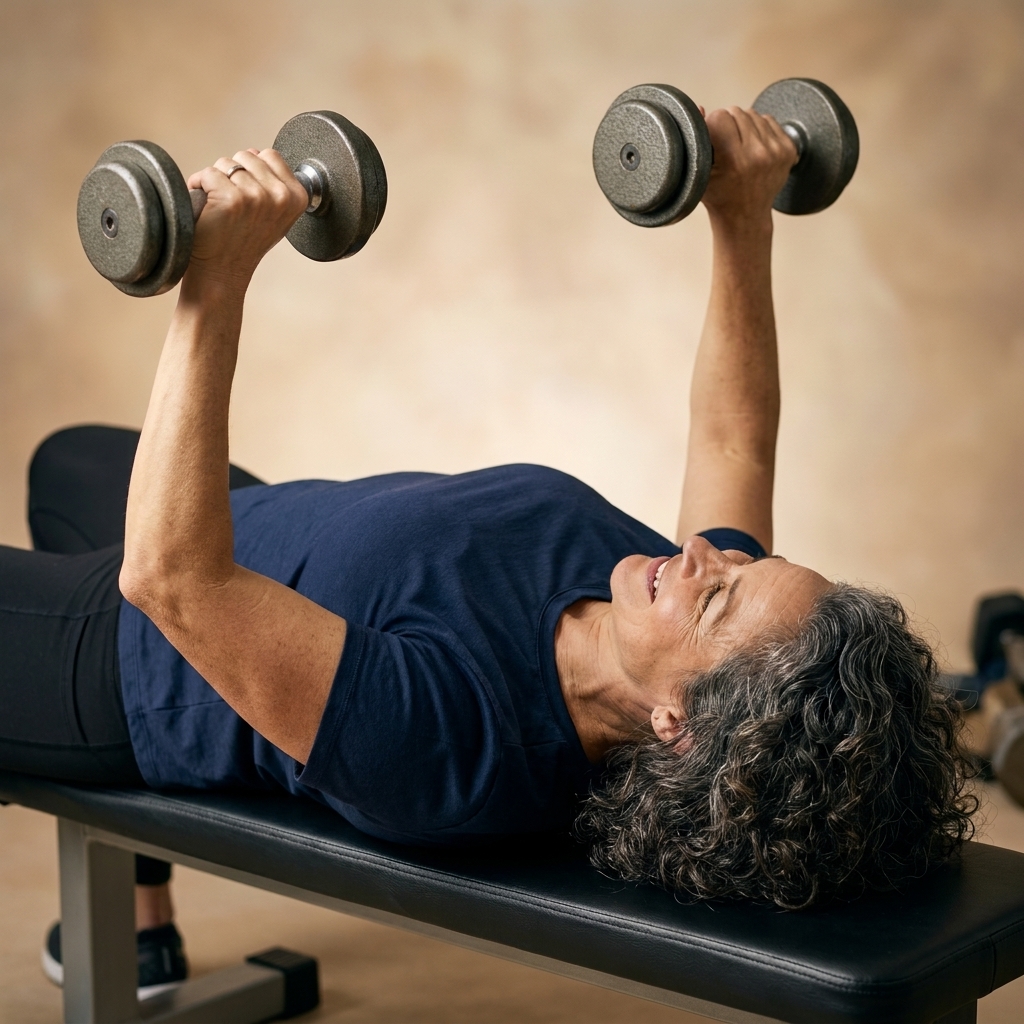
- Free weights: Dumbbell bench press (6 to 10 reps)
- Machine: Leg curl (10 to 15 reps)
- Machine or cable: Triceps pressdown (12 to 20 reps)
Day B
- Free weights: Romanian deadlift (dumbbells or barbell) (6 to 10 reps)
- Machine or cable: Lat pulldown (8 to 12 reps)
- Machine: Chest press (8 to 12 reps)
- Free weights: Split squat or step-up (8 to 12 reps per leg)
- Machine or cable: Lateral raise (12 to 20 reps)
Progression idea: Log your sets, reps, load, and approximate reps in reserve. When you can complete the top end of your rep range with good form at the same effort, increase the load next session by the smallest available jump.
FAQ
Are free weights better for toning?
Toning is usually muscle growth plus fat loss. Both free weights and machines build muscle. Nutrition, sleep, and overall activity largely determine fat loss. Choose the equipment you will train with consistently.
Do machines build less muscle because they do not use stabilizers?
Not necessarily. Many machines reduce stabilizer demand substantially, while others (especially cables and some plate-loaded machines) still require plenty of control. For hypertrophy, what matters most is high-quality tension and effort in the target muscles across enough weekly sets.
What if I only have dumbbells at home?
You can build significant strength and muscle with dumbbells alone. Prioritize squats or split squats, hinges (Romanian deadlifts), presses, rows, and loaded carries. Use slower tempos, higher reps, and single-leg variations if weights are limited.
What if my gym only has machines?
You can still make great progress. Focus on major movement patterns using the available machines, train close to failure on key sets, and track progression. If possible, add bodyweight movements like push-ups, pull-ups or assisted pull-ups, and split squats.
How do I know if I should stop because of pain?
Muscle burn and effort are normal. Sharp, stabbing, or escalating joint pain is not something to push through. Adjust range of motion, swap variations, reduce load, or consult a clinician if it persists.
The bottom line
Free weights and machines both build muscle. Free weights tend to be better for strength that is specific to free weight lifts and for training coordination under load. Machines are often more convenient for targeted hypertrophy and for training close to failure with less technique barrier.
If you want the most sustainable path, pick the tool that helps you train hard without turning every workout into a stress test. Your nervous system, joints, and future self will thank you.