Use light exposure, consistent wake times, and strategic meal timing to realign your body clock. Practical steps that work in real life, not toxic wellness c...
Calma Path
October 18, 2026
Updated October 18, 2026
Power Napping: How Long Should You Sleep?
Find your ideal nap length with science-backed timing strategies. Learn the best nap durations for focus, energy, and recovery without waking up groggy.

Written by
Maya Reynolds
Maya Reynolds is a registered nurse turned wellness educator who specializes in translating clinical research into accessible, everyday health habits. She is passionate about helping people sustainably improve their fitness, sleep, and nutrition without the pressure of toxic wellness culture.
A good nap can feel like hitting “refresh” on your brain. A bad nap can feel like waking up underwater, groggy and disoriented, wondering why you even tried.
After years of high-stress nursing shifts (and plenty of desperate break-room naps), I learned that napping is not about willpower. It is about timing. Your brain moves through predictable sleep stages, and the length of your nap can determine whether you wake up alert or stuck in sleep inertia.
This guide will help you choose the right nap length for your goal, schedule it so it works with your body clock, and troubleshoot the most common nap problems.
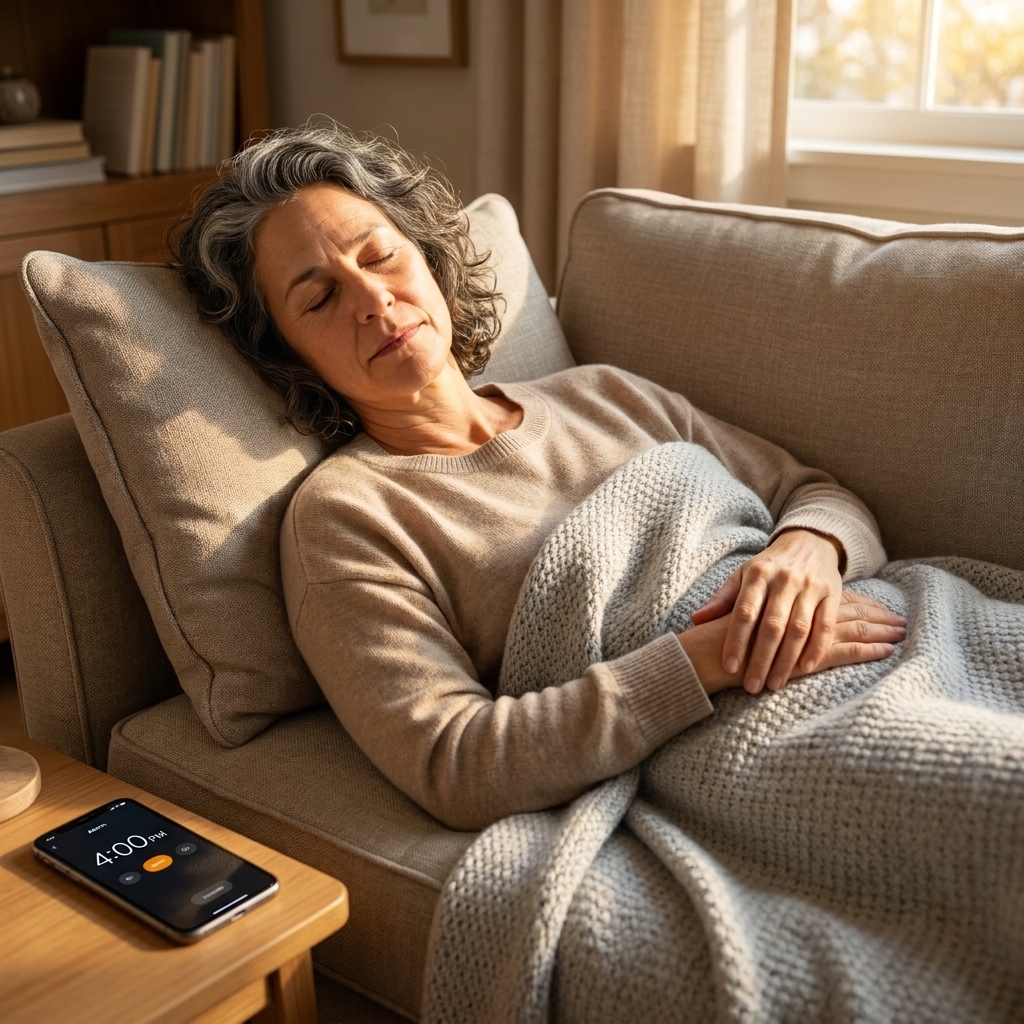
Why nap length matters
Sleep happens in cycles. Early in a sleep period, you spend more time in lighter stages. As time goes on, you can drift into deeper slow-wave sleep, which is restorative but also harder to wake from.
Sleep inertia is that heavy, foggy feeling after waking, often paired with slower reaction time and worse decision-making for a while. It tends to be strongest when you wake from deeper sleep, and it is more likely if:
- You nap long enough to increase your odds of reaching deeper stages (often past 20 to 30 minutes for many people, but it varies)
- You are already sleep deprived
- You nap later in the day, which can make deeper sleep and inertia more likely for some people and can also interfere with nighttime sleep
- You have untreated sleep issues like sleep apnea
The goal of a “power nap” is simple: get benefits from light sleep (and sometimes a bit more) while minimizing the chance you wake up in the deepest stage.
Best nap lengths
If you only remember one thing, let it be this: the “best” nap is the shortest nap that gets you the result you want.
5 to 10 minutes: quick reset
This is a true micro-nap. You may not even fully fall asleep, and that is okay. Even brief rest with eyes closed can reduce perceived fatigue and help your nervous system downshift.
- Best for: quick alertness boost, stress relief, a reset between meetings
- Grogginess risk: very low
- Tip: set the alarm for 10 minutes total, not “10 minutes of sleep”
10 to 20 minutes: power nap
This is the sweet spot for many people. You spend most of the time in lighter sleep, which supports alertness and can improve mood and performance with minimal sleep inertia.
- Best for: focus, reaction time, productivity, shift-work survival
- Grogginess risk: low
- Tip: build in a few minutes to fully wake up before driving or doing anything high-stakes, and do not drive if you still feel drowsy
30 minutes: can be the groggy zone
Around 30 minutes, the odds of slipping into deeper stages go up. Some people feel fine after a 30-minute nap, and others wake up sluggish. Your sleep stage timing can vary day to day.
- Best for: when 20 minutes is not enough and you have time to come back online
- Grogginess risk: moderate
- Tip: plan a buffer of 15 to 30 minutes afterward for inertia to fade
60 minutes: memory support, more inertia
Longer naps can support learning and memory consolidation. The trade-off is a greater chance you wake up from deeper sleep and feel off for a while.
- Best for: study sessions, heavy cognitive load days
- Grogginess risk: moderate to high
- Tip: do not schedule this right before an important meeting, commute, or anything safety-sensitive
90 minutes: strategic full-cycle nap
A 90-minute nap is often suggested because it can be close to one full sleep cycle for some people. Sleep cycles vary widely (often roughly 70 to 110 minutes) and can shift depending on sleep debt and timing, so treat 90 minutes as a practical target, not a magic number. A longer nap like this can also help with creativity and emotional regulation. The bigger risk is not just grogginess, it is stealing sleep from your night if you nap too late.
- Best for: recovery when you are truly short on sleep, creative work, some shift workers
- Grogginess risk: variable (often lower than a 60-minute nap if you complete a cycle)
- Tip: keep it earlier in the day if you want to protect nighttime sleep

When to nap
Most humans experience a natural dip in alertness in the early to mid-afternoon, often called the “post-lunch dip,” although it is not only about food. Your circadian rhythm and sleep pressure interact to make this a common low-energy window.
Simple rule
Aim to nap between 1:00 and 3:00 pm if your schedule allows. This timing tends to improve energy without interfering too much with nighttime sleep.
Avoid late naps when you can
Napping too close to bedtime can make it harder to fall asleep at night or reduce sleep quality, especially if you nap longer than 20 minutes. If you struggle with insomnia, protecting your sleep drive for nighttime is a priority.
If you work nights or rotating shifts
Shift work is its own category. A well-timed nap can be protective, but the best window depends on when your main sleep is and when you need to be sharp.
- Before a night shift: consider a longer nap (often 60 to 90 minutes) in the late afternoon or early evening if you are starting the shift sleep-deprived
- During a break: a 10 to 20-minute nap can improve alertness without leaving you foggy at 3:00 am
- After a night shift: prioritize your main sleep block, then use a short early-afternoon nap only if needed
Nap without ruining night sleep
If you want naps to help rather than backfire, treat them like a tool, not a random crash.
Keep most naps short
For daytime functioning, 10 to 20 minutes has the most reliable benefit-to-grogginess ratio for most people.
Set an afternoon cutoff
If nighttime sleep has been fragile, set a personal cutoff (for many people, 3:00 or 4:00 pm). Your exact cutoff depends on your bedtime and sleep needs.
Use light on purpose
Light is a powerful alerting signal. If you tend to wake up sluggish, get bright light in your eyes after your nap. Step outside if you can. Even a few minutes helps.
Watch caffeine timing
Caffeine late in the day can linger and disrupt sleep. If you are sensitive, keep caffeine earlier, and consider using a coffee nap (below) rather than a late afternoon latte.
If you nap daily and still feel wiped out
Needing naps every day can be normal in some seasons of life, but persistent sleepiness can also signal that you are not getting adequate or high-quality sleep at night. Snoring, gasping, morning headaches, or unrefreshing sleep may warrant a conversation with a clinician.
A quick note on who may need a different approach
Older adults, people with insomnia, and anyone on sedating medications can experience naps differently. If naps make your nights worse or leave you feeling more out of it, shorten them, move them earlier, or switch to quiet rest instead.
How to take a power nap
You do not need a fancy sleep gadget. You need a few basics that tell your brain, “We are safe to downshift.”
Step 1: Pick your length
- Default: 15 to 20 minutes
- If you are fried: 10 minutes may be better than forcing a longer nap
- If you are truly sleep deprived: 70 to 110 minutes (often around 90) can be restorative if it will not collide with bedtime
Step 2: Set up your space
- Dark: eye mask or dim room
- Cool: slightly cooler than you like for lounging
- Quiet: earplugs or soft white noise if needed
- Comfortable: recliner, couch, or bed is fine, as long as you can get up afterward
Step 3: One alarm and a wake plan
Set one alarm for the full time window. For example, if you want about 20 minutes of actual rest, set 25 minutes total to allow roughly 5 minutes to settle in. When you wake:
- Sit up
- Drink water
- Get light exposure
- Move your body for 60 seconds (walk, stretch, a few squats)
If you still feel drowsy afterward, do not drive or operate machinery. Give yourself more time, get bright light, and move around until you feel fully alert.
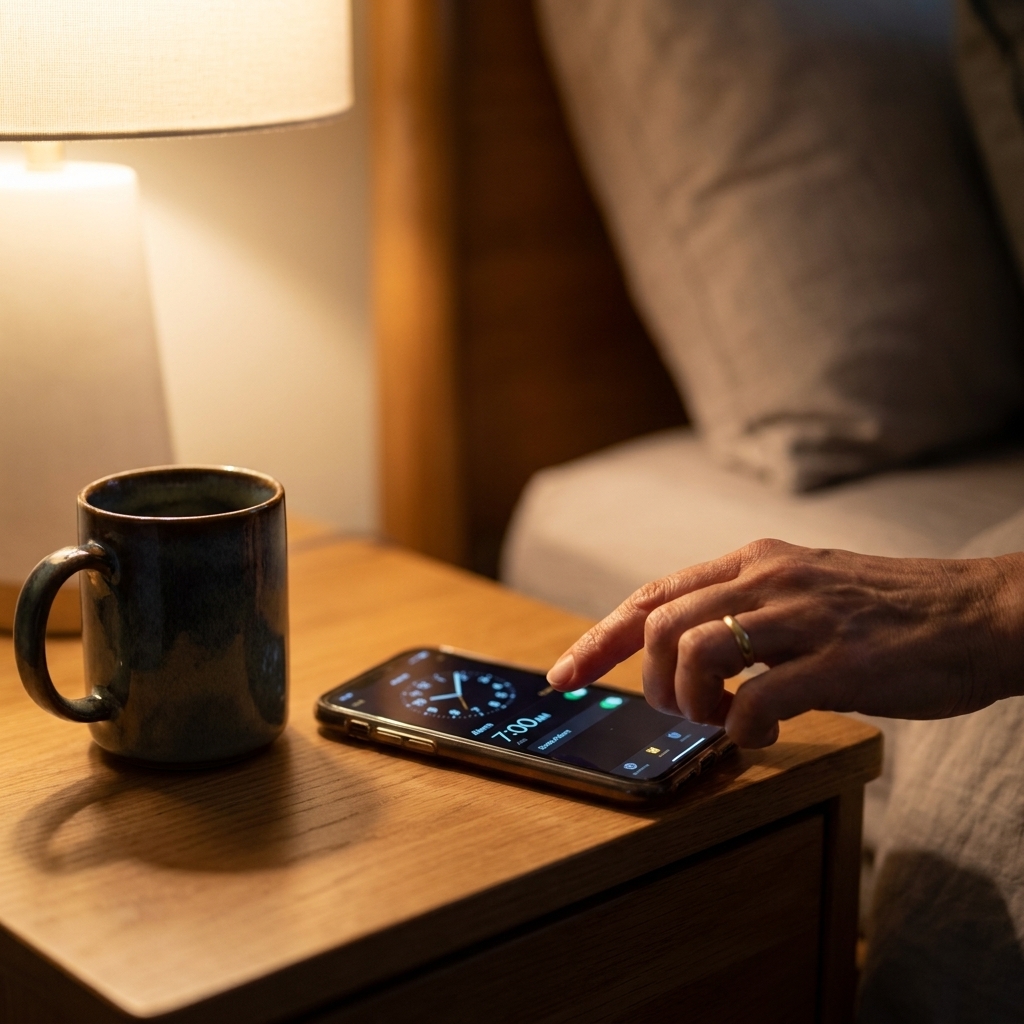
The coffee nap
A coffee nap is exactly what it sounds like: drink a small coffee, then immediately take a 15 to 20-minute nap.
Here is why it can work: caffeine takes time to kick in, and it works mainly by blocking adenosine receptors. Adenosine is one of the chemicals that builds up as you stay awake and contributes to sleepiness. A short rest can take the edge off fatigue, and by the time you wake, the caffeine is starting to do its job. Many people find this combo produces a cleaner, more alert wake-up.
- How to try it: drink coffee quickly, then set a 20-minute alarm
- Who should skip it: if caffeine worsens anxiety, reflux, palpitations, or insomnia
- Pro tip: keep it earlier in the day so you are not paying for it at bedtime
If you cannot fall asleep
This is incredibly common, especially if you are stressed or trying to force sleep. The good news is that you can still benefit from quiet rest with eyes closed and relaxed breathing. Some people call this non-sleep deep rest, but the core idea is simple: you are giving your nervous system a break, even if you do not actually sleep.
Try this:
- Set a 10 to 20-minute timer
- Close your eyes and keep your body still
- Breathe slowly, with a longer exhale than inhale
- If thoughts show up, let them pass and return to your breath
If you doze off, great. If you do not, you still gave your system a reset.
Troubleshooting
You wake up groggy no matter what
- Shorten your nap to 10 to 15 minutes
- Nap earlier in the day
- Get bright light and movement immediately after
- Consider whether you are chronically sleep deprived, which can intensify inertia
Naps make it hard to sleep at night
- Cap naps at 20 minutes
- Move your nap earlier
- Nap only on high-need days rather than out of habit
- Focus on nighttime sleep foundations: consistent wake time, morning light, and a realistic bedtime routine
You nap and still feel tired
- Check basics: hydration, food timing, iron status if you are at risk, and overall sleep duration
- Consider an occasional longer recovery nap (one cycle length for you, often around 90 minutes) if you are behind on sleep
- If excessive daytime sleepiness persists, talk with a healthcare professional to rule out conditions like sleep apnea or restless legs
Safety and when to get help
If you are having sudden sleep attacks, falling asleep while driving, or feeling dangerously sleepy during the day, treat that as a medical and safety issue, not a motivation issue. Do not drive if you are not fully alert, and consider talking with a clinician to look for causes and solutions.
Power nap cheat sheet
- Best default: 10 to 20 minutes
- Need a quick reset: 5 to 10 minutes
- Memory heavy day: about 60 minutes (plan for sluggishness)
- Major sleep debt: one cycle for you (often around 90 minutes), earlier in the day
- Best timing for most: 1:00 to 3:00 pm
- Avoid: long naps late afternoon or evening if you struggle with insomnia
FAQ
Is it okay to nap every day?
For many people, yes, especially if it is a short early-afternoon nap that does not interfere with nighttime sleep. If you need long naps daily to function, it is worth looking at sleep duration, sleep quality, and possible medical contributors.
Is a 2-hour nap too long?
It can be. Two hours increases the chance of waking up from deeper sleep (and feeling sluggish) and can reduce sleep drive at night. If you need recovery, a nap closer to one sleep cycle (often around 90 minutes, but it varies) is often a cleaner option. If you are sick or severely sleep deprived, longer rest may be appropriate, but protect your bedtime when you can.
Should I nap in bed?
You can, but if you struggle with insomnia, it may help to nap somewhere other than your bed so your brain keeps associating the bed with nighttime sleep. A couch or recliner works well for many people.
Can naps replace nighttime sleep?
Naps can help you function, but they are not a full substitute for regular nighttime sleep. Night sleep is where you get the most consistent deep sleep and REM patterns, and it supports long-term metabolic, immune, and mental health in a way naps usually cannot fully match.
A reminder from someone who survived on naps
If you are napping because life is full, your schedule is punishing, or your sleep has been rough, you are not failing. Your body is trying to protect you.
Start with a 15-minute nap, early afternoon if possible, and give yourself a simple wake-up routine: water, light, and a little movement. That tiny plan can be the difference between a nap that helps and one that hijacks your whole day.