Sleep trackers can be helpful, but they are not medical devices. Here’s how they detect sleep, what “deep” and “REM” really mean, and how to turn s...
Calma Path
October 18, 2026
Updated October 18, 2026
Partner Noticing Breathing Pauses at Night: What to Tell Your Doctor
If your partner notices you stop breathing in sleep, it could be sleep apnea. Here’s what to track, what to bring, what to ask, and when it’s urgent.

Written by
Maya Reynolds
Maya Reynolds is a registered nurse turned wellness educator who specializes in translating clinical research into accessible, everyday health habits. She is passionate about helping people sustainably improve their fitness, sleep, and nutrition without the pressure of toxic wellness culture.
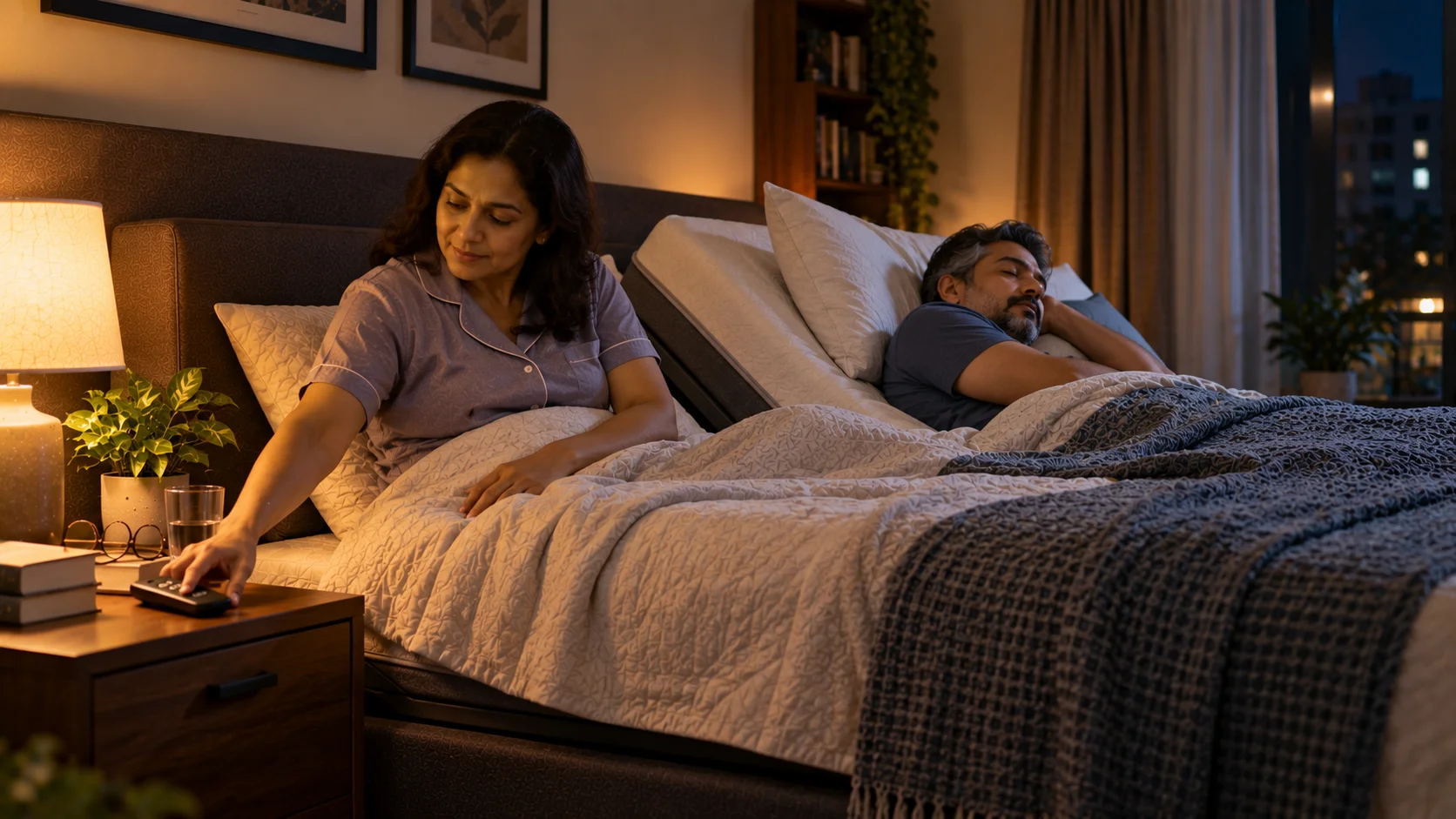
If your partner has told you, “You stop breathing at night,” it can feel scary and surreal. As a nurse, I can tell you this symptom deserves a real clinical conversation, not a wait-and-see approach. The good news is that a well-prepared appointment can move things along quickly.
This article will help you gather the most useful details for your doctor, understand what recordings and wearables can and cannot do, and recognize the situations where you should seek urgent help.
Why witnessed breathing pauses matter
When someone observes pauses in breathing during sleep, especially with snoring or gasping, one of the key concerns is obstructive sleep apnea (OSA). OSA happens when the upper airway repeatedly narrows or collapses during sleep, reducing airflow and fragmenting sleep. Over time, untreated sleep apnea is associated with higher risk of high blood pressure, heart rhythm issues like atrial fibrillation, stroke, metabolic problems, and accidents related to sleepiness.
Not every pause is sleep apnea, and not every snorer has apnea. But “my partner witnessed me stop breathing” is absolutely worth bringing to a clinician promptly, because it can change how urgently they pursue testing.
What to track for 1 to 2 weeks
You do not need perfect data. You need clear patterns. If you can, track the items below for at least several nights (a week is great). A notes app works fine.
1) What your partner is seeing
- How often they notice pauses: a few times a night, many times, only when you are on your back, only after alcohol, and so on.
- What it looks like: quiet pause, then a snort, choke, gasp, or body jerk.
- How long the pauses seem (estimate is okay): a few seconds vs 20 to 30 seconds.
- Snoring: loudness, nightly vs occasional, worse in certain positions.
- Mouth breathing or waking with a dry mouth.
- Restlessness: tossing, frequent position changes.
2) What you feel during the day
- Sleepiness: Do you doze off reading, watching TV, as a passenger in a car, or at meetings?
- Morning headaches or feeling “hungover” without alcohol.
- Brain fog or mood changes: irritability, low mood, reduced motivation.
- Focus or memory issues.
- Drowsy driving or near-miss incidents.
3) Night symptoms you might not connect
- Frequent nighttime urination (nocturia).
- Night sweats.
- Heart pounding or waking with palpitations.
- Acid reflux symptoms at night.
- Insomnia pattern: trouble staying asleep, frequent awakenings.
4) Context clues
- Sleep position: back vs side. Many people have worse airway collapse on their back.
- Alcohol timing: especially within a few hours of bedtime, which can relax airway muscles.
- Congestion: allergies, chronic nasal blockage, deviated septum, frequent colds.
- Recent weight or hormone changes: gain or loss, pregnancy, postpartum changes, menopause.
If you want a simple daily log, try: bedtime, wake time, number of awakenings, snoring (yes/no), witnessed pauses (yes/no), gasping (yes/no), morning headache (yes/no), daytime sleepiness (0 to 10), alcohol (yes/no), sleep position.
Risk factors worth mentioning
Sleep apnea is not just about weight. If any of these apply to you, tell your clinician because it can raise suspicion and influence test choice:
- Family history of sleep apnea
- Higher neck circumference or crowded airway anatomy (large tonsils, small jaw, overbite)
- Nasal obstruction or chronic mouth breathing
- Menopause or major hormonal changes
- High blood pressure, atrial fibrillation, type 2 diabetes, or stroke history
Medication and substance list to bring
This is not about blame. It is about safety and accuracy. Several medications and substances can worsen snoring and breathing instability by relaxing the upper airway, changing respiratory drive, or deepening sleep.
- Sleep aids: prescription (like zolpidem) and over-the-counter (especially antihistamines used as sleep aids).
- Anti-anxiety medications: particularly benzodiazepines.
- Opioid pain medications: can affect breathing control and increase risk of central sleep apnea.
- Muscle relaxants.
- Alcohol: amount and timing.
- Cannabis: form and timing.
- Stimulants: ADHD meds, high caffeine intake, energy drinks. These do not usually cause apnea, but they can affect sleep quality and mask how sleepy you feel.
- Other relevant meds: blood pressure meds, antidepressants, testosterone therapy, and anything that significantly affects weight or alertness.
Bring a list with names, doses, and what time you typically take them. If you do not know the dose, a photo of the bottle label is enough.
Recordings and wearables: helpful, not diagnostic
Audio or video clips
A short recording from your partner can be helpful to communicate what they are seeing and hearing, especially if your appointment is brief. If your partner captures a clip, aim for:
- 20 to 60 seconds
- Snoring or quiet breathing, then a pause, then a gasp or snort if it happens
- Include the room sound context (do not place the phone directly on your face)
Important: recordings can support the story, but a formal diagnosis is made with a home sleep apnea test (HSAT) or an in-lab polysomnogram interpreted by a qualified clinician.
Wearables and sleep apps
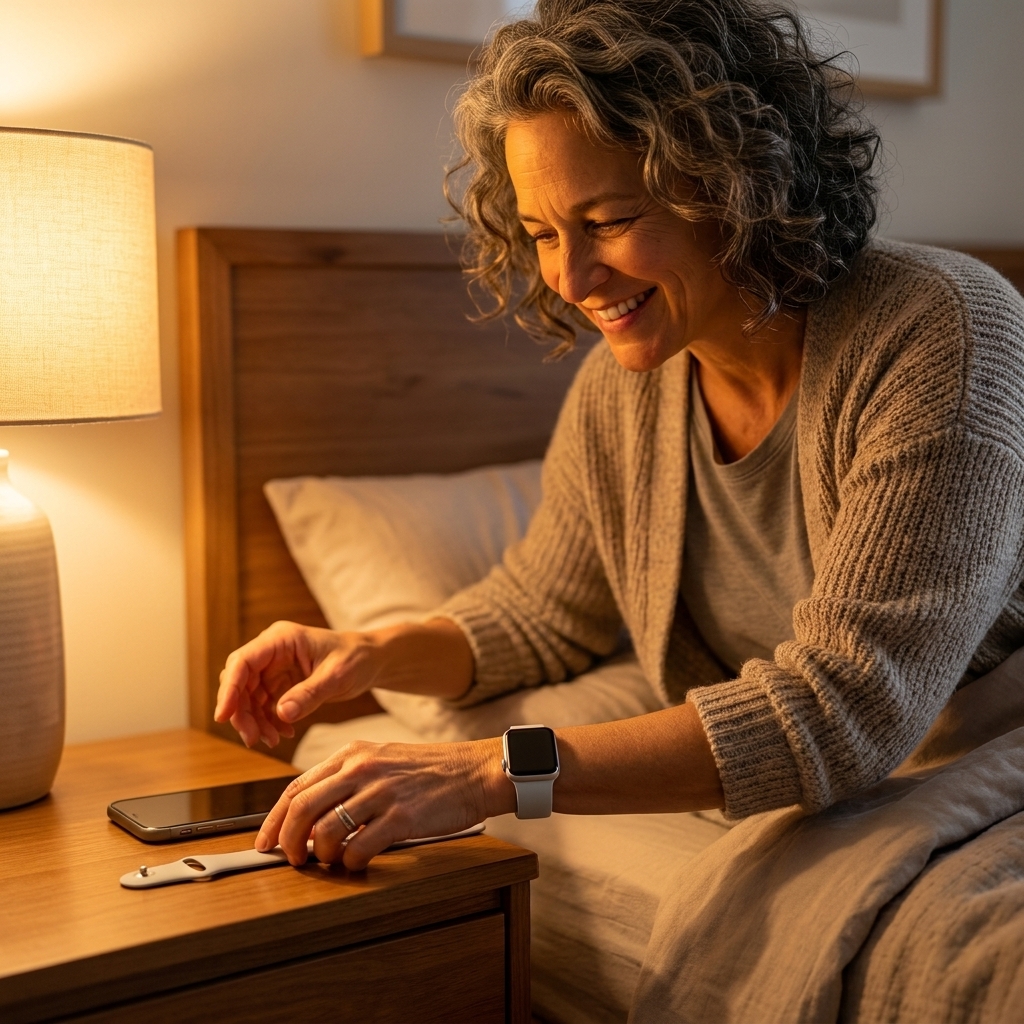
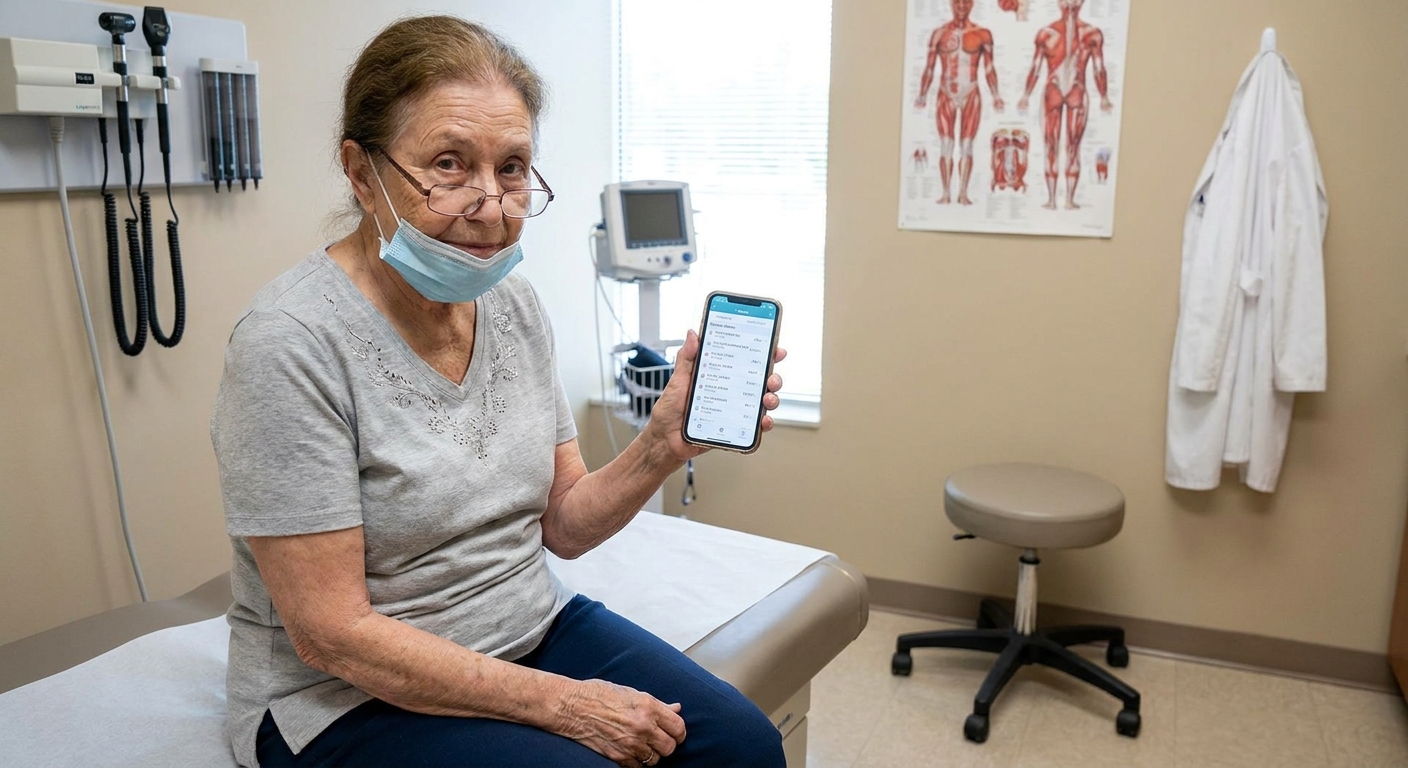
Consumer devices can sometimes hint at disrupted sleep, heart rate changes, or drops in estimated oxygen saturation. But wearables are not considered diagnostic for sleep apnea. They can miss events, misclassify sleep stages, and over or underestimate oxygen changes depending on device fit, motion, skin pigmentation and perfusion, and the device’s algorithm.
If you bring wearable trends, treat them as “extra context,” not proof. Helpful items to show your clinician include:
- Repeated nights of low oxygen alerts (if your device provides them)
- Consistently high nighttime heart rate
- Frequent awakenings noted across many nights
Your clinician will still rely on symptoms, exam, and formal sleep testing.
What to say at the visit
When we are anxious, we tend to tell the story in a scattered way. Here is a clear script that hits what clinicians need to triage and order the right test:
“My partner has witnessed pauses in my breathing during sleep for the past three months. They notice it a few times a night, and it is often followed by snorting or gasping. I also snore loudly and I do not feel rested in the morning. I am concerned about sleep apnea. I would like to discuss a sleep study and next steps. Here is my typical sleep schedule, and here is my medication and substance list with timing.”
If you have safety issues, say them plainly:
“I have felt drowsy while driving,” or “I’m falling asleep at work,” or “I wake up gasping and panicked.”
Questions to ask
- “Based on my symptoms, do I meet criteria for a sleep study?”
- “Would you recommend an at-home sleep apnea test or an in-lab polysomnogram?”
- “Could anything else explain these symptoms, like nasal obstruction, reflux, medication effects, or another sleep disorder?”
- “If I do have sleep apnea, what treatment options fit my situation?” (CPAP, oral appliance, positional therapy, weight-related strategies, addressing nasal congestion, and more.)
- “While I’m waiting for testing, what should I avoid for safety?” (alcohol near bedtime, sedatives unless prescribed, drowsy driving)
If you have high blood pressure, atrial fibrillation, diabetes, reflux, or depression symptoms, mention them. Sleep apnea can overlap with all of these, and it can influence management.
HSAT vs in-lab study
Your clinician may choose between two common routes:
At-home sleep apnea testing (HSAT)
Often used when there is a strong suspicion for obstructive sleep apnea and no major complicating conditions. It typically measures airflow, breathing effort, oxygen levels, and heart rate. It is convenient and usually faster to schedule.
HSAT is focused on breathing and oxygen. It can miss or undercount mild OSA in some people, and it does not evaluate as broadly for other sleep disorders.
In-lab polysomnography
More comprehensive. It can evaluate sleep stages, limb movements, more detailed breathing patterns, and other sleep disorders. It is often preferred if:
- your symptoms are complex, or your home test is negative but symptoms remain strong
- there is concern for central sleep apnea
- you have significant heart or lung disease
- there are unusual behaviors during sleep or possible seizures
Your doctor will help you choose the right test for your medical history.
While you are waiting
If your clinician agrees it is reasonable for you, these are common, low-risk steps that may reduce symptoms while you are waiting for testing:
- Side sleeping or positional strategies if symptoms are worse on your back.
- Avoid alcohol within a few hours of bedtime, and avoid non-prescribed sedatives.
- Do not drive if you are sleepy. This is a safety issue, not a willpower issue.
- Address nasal congestion with clinician-approved measures (for example, saline rinse, allergy management if appropriate).
Even if these help, they should not replace testing when apnea is suspected.
When to get urgent help
Most people with suspected sleep apnea can schedule a prompt appointment with primary care or a sleep specialist. But some symptoms should be treated as urgent.
Get emergency care now or call local emergency services if:
- You are having trouble breathing while awake, severe shortness of breath, or blue or gray lips or face.
- You have chest pain, fainting, or signs of stroke (face droop, arm weakness, speech difficulty).
- You are unresponsive or unusually difficult to wake, especially if there are other warning signs like choking, confusion, or color change.
Request urgent medical advice soon (same day to within a few days) if:
- You have severe daytime sleepiness or drowsy driving.
- You have uncontrolled high blood pressure or new heart rhythm symptoms along with suspected apnea.
- You use opioids or sedatives and there are witnessed breathing pauses.
If you are ever unsure, err on the side of getting evaluated sooner. Breathing should not be a “wait it out” symptom.
If you feel embarrassed
People often minimize snoring and breathing pauses because they feel awkward, ashamed, or worried they will be told to “just lose weight.” I want to be really clear: you deserve respectful care. Sleep apnea happens in people of many body sizes and ages, and it can be driven by anatomy, hormones, nasal obstruction, alcohol or medication effects, and family history.
Also, your partner mentioning this is not criticism. Many partners bring this up because they are scared, not annoyed. Try treating it like any other health data: “This is a symptom. We should check it out.”
Prep checklist
- Write down 3 to 5 examples of what your partner observed (dates help).
- List your main daytime symptoms and how often they happen.
- Bring your medication and substance list with timing.
- Bring any short audio or video clip if available.
- Note major medical history: high blood pressure, heart disease, stroke, diabetes, reflux, depression or anxiety.
- Be ready to discuss sleep schedule, work shifts, and drowsy driving.
If you want to keep it ultra simple, here is the one-liner: witnessed breathing pauses plus daytime sleepiness is enough to warrant evaluation.
FAQ
Can I diagnose sleep apnea based on snoring and recordings?
No. Snoring and recordings can raise suspicion, but a formal diagnosis requires an HSAT or polysomnogram interpreted by a clinician.
If my wearable shows normal oxygen, does that mean I am fine?
Not necessarily. Consumer oxygen readings can be inaccurate, and sleep apnea can still be present even without obvious wearable alerts. Symptoms and witnessed pauses still matter.
What if my partner says I stop breathing but I feel okay?
Still bring it up. Some people adapt to chronic sleep fragmentation and do not recognize how sleepy they are until treatment improves their baseline. Also, health risks can exist even when you feel “fine.”
Are there screening tools I can do at home?
Some clinicians use questionnaires like STOP-BANG or the Epworth Sleepiness Scale to estimate risk. They can be useful to bring up, but they do not diagnose sleep apnea.
What if I do not have a partner, but I wake up gasping?
That is also worth evaluation. Mention gasping awakenings, morning headaches, dry mouth, and daytime sleepiness. Your clinician can still assess risk and decide on testing.