
Use light exposure, consistent wake times, and strategic meal timing to realign your body clock. Practical steps that work in real life, not toxic wellness c...
Calma Path
October 18, 2026
Updated October 18, 2026
How to Start Intermittent Fasting
Curious about intermittent fasting? Learn common schedules, what the science suggests, who should avoid fasting, and how to start safely with realistic, sustainable tips.

Written by
Maya Reynolds
Maya Reynolds is a registered nurse turned wellness educator who specializes in translating clinical research into accessible, everyday health habits. She is passionate about helping people sustainably improve their fitness, sleep, and nutrition without the pressure of toxic wellness culture.
Intermittent fasting can sound intense, but in practice it often looks like something surprisingly simple: extending the time you already go without food overnight. For some people, that means eating breakfast a bit later. For others, it means keeping dinner earlier and skipping late-night snacking.
As a former bedside nurse, I am going to say the quiet part out loud: fasting is not magic, and it is not required for health. But it can be a useful structure if it helps you eat in a way that supports your energy, blood sugar, and weight goals without triggering an all-or-nothing mindset.

This guide walks you through the most popular fasting schedules, what research suggests about benefits, and a safe, realistic way to try it, without turning your life into a food math problem.
What intermittent fasting is (and is not)
Intermittent fasting (IF) is an eating pattern that cycles between eating windows and fasting windows. It does not dictate what you eat, but it strongly influences when you eat.
One of the most common approaches is time-restricted eating, where you eat all meals within a set window each day. Other versions include the 5:2 approach and alternate-day fasting, which you will see below.
IF is not:
- A detox
- A requirement for fat loss
- A replacement for overall nutrition quality
- A sign of “discipline” or moral virtue
IF is:
- A structure that may help some people reduce late-night eating and mindless snacking
- A way to create a calorie deficit for some people, sometimes without meticulous tracking
- A tool that might support certain metabolic markers in some populations
How fasting may work
During fasting, your body gradually shifts away from using recently eaten glucose as the primary fuel source. Over time, it relies more on stored energy. This shift is not an on-off switch and it varies based on the person, the length of the fast, what you ate previously, sleep, stress, and activity level.
What researchers focus on
- Energy balance: Many people naturally eat fewer calories when they have a shorter eating window.
- Insulin dynamics: Longer breaks from eating can reduce how often insulin is elevated across the day. In some studies, this aligns with improved insulin sensitivity, especially when fasting leads to weight loss or improved diet quality.
- Circadian timing: In controlled studies, eating earlier in the day often appears to better match circadian biology, and late-night eating is often linked with worse glucose handling.
- Cellular repair pathways: Research explores fasting and processes like autophagy, but the details in humans are still being worked out. The biggest, most reliable wins still come from basics like diet quality, sleep, and movement.
Bottom line: IF can be helpful, but it tends to work best when it nudges you toward consistent meals, fewer ultra-processed snacks, and an eating schedule your body actually tolerates.
Common schedules for beginners
There is no universally “best” schedule. The best schedule is the one you can do without white-knuckling your way through your day, losing sleep, or feeling preoccupied with food.
12:12
Great starting point if you want a gentle reset without feeling like you are “on a plan.” Example: finish dinner by 7:30 pm, eat breakfast at 7:30 am.
- Pros: Usually easy, supportive of digestion and sleep for some people if it reduces late-night eating.
- Cons: May not feel like “enough” if you are chasing rapid results, which is a mindset I would encourage you to challenge.
14:10
Example: eating window 9:00 am to 7:00 pm. This is often a sweet spot for people who want structure but still want room for breakfast, lunch, and dinner.
16:8
One of the most popular versions of IF. Example: eating window 12:00 pm to 8:00 pm, or 10:00 am to 6:00 pm.
- Pros: Simple, often reduces evening grazing.
- Cons: Some people under-eat protein or overall calories, then rebound with overeating later. It can also be rough if you train in the morning.
18:6 or 20:4
More aggressive time restriction. In my experience, these schedules are less beginner-friendly unless you have a very stable routine and a strong appetite awareness.
5:2
This approach involves eating normally five days a week and significantly reducing calories on two non-consecutive days.
- Pros: Some people prefer not fasting daily.
- Cons: Low-calorie days can feel miserable and may trigger binge-restrict cycles in vulnerable individuals.
Alternate-day fasting
Typically involves fasting or very low calories every other day. Research shows it can reduce weight for some people, but adherence can be challenging, and it is rarely the best entry point.
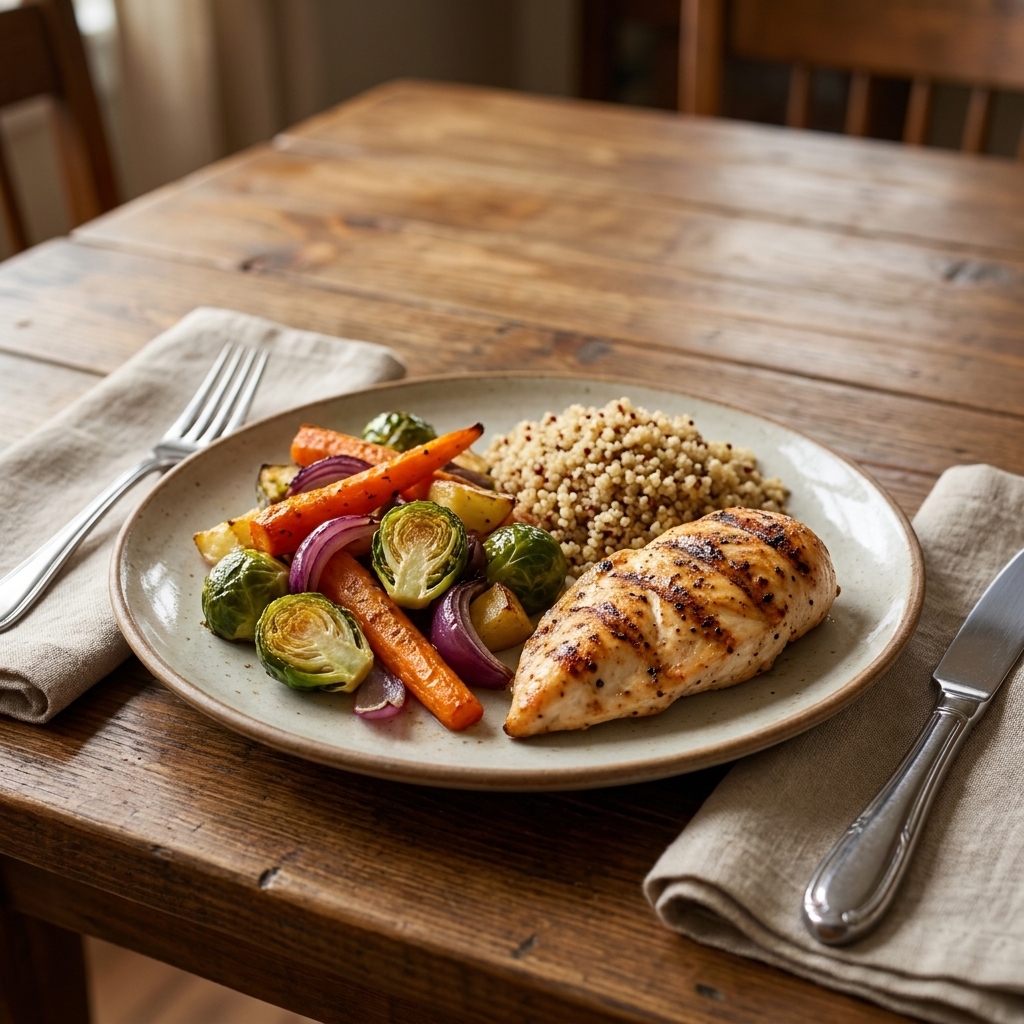
If you are brand new, start with 12:12 or 14:10. You can always increase later. Starting too hard is one of the quickest ways to hate the whole thing.
Benefits (and what is overhyped)
Research on intermittent fasting is growing, including randomized trials on time-restricted eating and comparisons with standard calorie restriction. Here is the most practical summary for everyday life.
Benefits with the most consistent support
- Weight loss: IF can help with weight loss, largely because it often reduces total calorie intake. In many studies, weight loss is similar to traditional calorie restriction when calories are matched.
- Metabolic markers: Some studies show improvements in fasting insulin, insulin sensitivity, and lipids, especially in people with overweight or metabolic risk factors. These changes often track with weight loss and overall diet quality.
- Less late-night eating: For many people, not eating close to bedtime may reduce reflux symptoms. If reflux has been interrupting sleep, sleep may improve too.
Benefits that depend on timing
Earlier eating windows (for example, finishing dinner earlier) often align better with circadian rhythms. In some controlled studies, they are associated with better glucose control than late eating windows. This is nuanced and depends on the person, the overall diet, and total intake, but it is one reason many people feel better when they move food earlier.
Claims to be cautious about
- “Fasting melts fat regardless of what you eat”: Nutrition quality still matters, a lot.
- “Autophagy guarantees longevity”: Fascinating science, but human outcomes are complex. The basics still win.
- “Women cannot fast”: Some women do fine, some do not. The better question is: does your body and life respond well to it, and can you do it without harming sleep, mood, cycle regularity, or your relationship with food?
Who should not fast
Please do not use intermittent fasting as a DIY experiment if any of the following apply, unless your clinician explicitly supports it:
- You are pregnant or breastfeeding
- You have a history of an eating disorder or current disordered eating patterns
- You have type 1 diabetes, or you use insulin or sulfonylureas (hypoglycemia risk)
- You are underweight, have unexplained weight loss, or have been advised to gain weight
- You are a teen or have special growth needs
- You have a medical condition where meal timing is part of treatment (certain GI conditions and other individualized situations)
If you take medications that must be taken with food, that is also a practical reason to get guidance before changing meal timing.
Type 2 diabetes and prediabetes
If you have type 2 diabetes or prediabetes, intermittent fasting may be helpful for some people, but it deserves extra caution. If you take glucose-lowering medications, fasting can increase the risk of low blood sugar. This is a “get clinician guidance first” category, especially if you are on insulin or sulfonylureas.
SGLT2 inhibitors, kidney disease, and gout
If you take an SGLT2 inhibitor for diabetes, or you have chronic kidney disease or a history of gout, check in with your clinician before experimenting with fasting. These are situations where changes in food intake, hydration, and metabolism can matter more, and you want an individualized plan.
Cycle loss, RED-S, and fertility concerns
If you have a history of hypothalamic amenorrhea, Relative Energy Deficiency in Sport (RED-S), very irregular cycles, or current fertility concerns, be cautious with aggressive fasting. Under-fueling is often the bigger issue than fasting itself, but a narrower eating window can make under-fueling easier to do without realizing it.
How to start (step by step)
If fasting is going to work for you, it should feel like a gentle boundary, not a daily battle. Here is a progression I use with beginners.
Step 1: Pick a schedule that fits your life
Start with 12:12 for 1 to 2 weeks. If that feels easy, move to 14:10. Only consider 16:8 once you are consistently feeling steady energy and mood.
Step 2: Anchor meals around protein and fiber
One of the most common fasting mistakes is breaking your fast with something that spikes blood sugar quickly and leaves you hungry soon after, like a pastry on an empty stomach. Aim for:
- Protein: eggs, Greek yogurt, cottage cheese, tofu, chicken, fish, beans, lentils
- Fiber: berries, apples, leafy greens, cruciferous veggies, oats, chia, beans
- Healthy fats: olive oil, avocado, nuts, seeds
Step 3: Decide what you will drink during the fast
For most people, these are reasonable options during a fasting window:
- Water (still or sparkling)
- Unsweetened tea
- Black coffee
Some people prefer a strict “clean fast” (no calories at all). Others do better with a practical approach. If you need a splash of milk to tolerate coffee, or you take a medication with a small amount of food, that does not mean you “failed.” It means you are a human with a nervous system. Your results are not going to hinge on 20 calories.
Step 4: Hydration and electrolytes
When you compress your eating window, it is easy to accidentally drink less, especially if you used to snack and sip throughout the day. Aim to hydrate early. If you sweat a lot, eat lower-carb, or notice headaches and fatigue, electrolytes can help. If you care about a strict fast, choose unsweetened, non-caloric options. Also note: many popular electrolyte drinks contain sugar or calories, so check labels if that matters to you.
Step 5: Keep your eating window consistent most days
Your body loves rhythms. Try to keep meal timing within about an hour day to day when possible. If your schedule varies, use a soft window and prioritize consistency on weekdays.
Step 6: Use the hunger scale, not willpower
A little hunger is normal. Feeling shaky, nauseated, dizzy, or unable to focus is information. Break the fast with a balanced meal and adjust the next day. Sustainable fasting is flexible.
Step 7: Reassess after 2 to 4 weeks
Ask three questions:
- Is my sleep better, worse, or unchanged?
- Is my energy stable across the day?
- Do I feel calmer around food, or more obsessive?
If sleep or mood worsens, pull back. In healthcare, I saw that sleep deprivation can increase appetite and cravings through hormonal and behavioral effects. A fasting schedule that costs you sleep is not a health plan.
Step 8: Watch caffeine timing
If you delay breakfast, caffeine on an empty stomach can worsen jitters, anxiety, or reflux for some people. If that is you, consider shifting coffee later, reducing caffeine, or having it with your first meal instead of pushing through discomfort.
What to eat when you break a fast
Breaking a fast does not need to be dramatic. It just needs to be steady. A good first meal should keep you full for 3 to 5 hours and help you avoid the blood sugar rollercoaster.
Break-fast ideas
- Greek yogurt + berries + chia + walnuts
- Egg scramble with spinach and peppers + whole grain toast
- Tofu or chicken salad bowl with quinoa, olive oil, and vegetables
- Oats made with milk + nut butter + sliced banana (add protein if needed)
If you are prone to heartburn, consider breaking your fast with something lower acid and not overly spicy, and avoid a huge meal right away.

Training and fasting
You can absolutely exercise while doing intermittent fasting, but a few adjustments can prevent the classic “I tried fasting and felt awful” experience.
If you work out in the morning
- If it is light movement (walking, mobility), fasting is usually fine.
- If it is intense training (HIIT, heavy lifting), you may do better with an earlier eating window or a small pre-workout snack.
Prioritize protein
If your eating window is shorter, protein distribution matters more. Many adults do well with roughly 25 to 40 grams of protein per meal as a general target, depending on body size and goals, but total daily protein matters most.
Watch for under-fueling
Warning signs include persistent fatigue, irritability, sleep disruption, menstrual cycle changes, frequent injuries, and preoccupation with food. Those are cues to widen your eating window or stop fasting altogether.
Common side effects
Headaches
- Hydrate early in the day.
- Consider electrolytes if you are sweating a lot or cutting back on salty processed foods suddenly.
- Reduce caffeine swings. Do not go from “three lattes” to “black coffee only” overnight.
Constipation
- Increase fiber gradually.
- Include fruits, vegetables, beans, oats, chia.
- Do not forget water. Fiber without fluids can backfire.
Feeling cold
This can happen with calorie reduction. Make sure you are eating enough overall, including healthy fats and adequate carbs for your activity level.
Sleep getting worse
- Avoid pushing your last meal too early if it means you go to bed hungry.
- Avoid eating a large meal right before bed, which can worsen reflux and sleep for some people.
- Consider shifting calories earlier in the day and shortening the fast if sleep is taking a hit.
A simple 2-week plan
If you want a clear starting line, here is a gentle ramp-up.
Week 1: 12:12
- Pick a consistent 12-hour fasting window (example: 7:30 pm to 7:30 am).
- Focus on eliminating late-night snacking, not skipping meals.
- Build meals around protein + fiber.
Week 2: 14:10 (optional)
- Shift breakfast 1 to 2 hours later or move dinner 1 to 2 hours earlier.
- Keep hydration steady.
- Keep training and sleep priorities intact.
If Week 2 feels rough, go back to Week 1. That is not failure. That is you listening to your physiology.
FAQ
Will intermittent fasting slow my metabolism?
Short daily fasts like 12:12 to 16:8 are generally less extreme than prolonged very low-calorie diets. But any sustained calorie deficit and significant weight loss can lead to some adaptive reductions in energy expenditure over time. The goal is sustainability, adequate protein, and enough total food to support your sleep, training, and daily life.
Can I do intermittent fasting every day?
Some people do best with a consistent daily schedule. Others prefer 3 to 5 days per week to keep life flexible. If daily fasting increases stress, worsens sleep, or triggers overeating, you will likely do better with fewer days or a wider window.
Does coffee break a fast?
Plain black coffee is generally considered compatible with fasting. If you define a fast as “zero calories,” then adding sugar, milk, cream, or flavored syrups breaks that kind of fast. Metabolically, the impact of a small splash of milk is often less important than your overall pattern and total intake. Perfection is not required for progress.
Is intermittent fasting safe for women?
Many women tolerate time-restricted eating well, especially gentler approaches like 12:12 or 14:10. If you notice menstrual cycle changes, increased anxiety, sleep disruption, or intense cravings, that is a sign to stop or scale back and talk with a clinician if needed. If you have a history of cycle loss from under-fueling, RED-S, or fertility concerns, be cautious with aggressive fasting.
What is the best schedule for weight loss?
For most beginners, 14:10 or 16:8 is a realistic place to start, but weight loss depends on overall intake, diet quality, activity, stress, and sleep. Earlier eating windows may support better glucose control for some people. The best schedule is the one you can maintain while still eating enough protein, fiber, and total calories.
My nurse perspective
If intermittent fasting makes you feel calmer around food, helps you stop eating right before bed, and supports consistent, nourishing meals, it can be a solid tool. If it makes you anxious, exhausted, or obsessive, it is not the right tool right now.
Your body is not a problem to solve. Start with small, sensible changes, track how you feel, and let sustainable be the goal, not extreme.