From tart cherries to pumpkin seeds, these research-linked foods may support melatonin pathways, magnesium status, and steadier overnight energy for more res...
Calma Path
October 18, 2026
Updated October 18, 2026
7 Foods That Support Better Sleep (And What to Avoid Before Bed)
Support better, more restorative sleep with simple, science-informed evening foods like kiwi, tart cherry, yogurt, and pumpkin seeds, plus what to avoid before bed.

Written by
Maya Reynolds
Maya Reynolds is a registered nurse turned wellness educator who specializes in translating clinical research into accessible, everyday health habits. She is passionate about helping people sustainably improve their fitness, sleep, and nutrition without the pressure of toxic wellness culture.
If you have ever stared at the ceiling at 2 a.m. wondering why your body refuses to power down, you are not alone. After years of high-stress nursing shifts, my sleep broke in a way that felt personal. The good news is that sleep is not only about willpower. Your nervous system responds to signals all day long, and dinner and bedtime snacks are part of that signal.
Quick note before we begin: this is education, not medical advice. Food can support sleep, but it cannot diagnose or treat an underlying sleep disorder.
Food cannot “knock you out” in a healthy way. But the right nutrients can gently support the biology that helps you fall asleep, stay asleep, and feel more restored in the morning. Think: steadier blood sugar overnight, less stress-hormone noise at 3 a.m., and the building blocks your body uses to make serotonin and melatonin.

Below are seven foods that are often sleep-supportive, plus the common evening triggers that can quietly sabotage your night.
How food affects sleep
When most people say they want “deep sleep,” they mean real rest. Technically, deep sleep refers to a specific stage (often called N3). Food tends to influence sleep more reliably through sleep onset and sleep continuity (how easily you fall asleep and how often you wake) than by dramatically changing deep sleep on its own.
Nutrition can support a steadier night by:
- Reducing overnight blood sugar swings that can wake you up feeling jittery, hungry, or wide awake.
- Providing magnesium and potassium to support muscle relaxation and nervous system regulation.
- Supplying tryptophan, an amino acid your body uses to make serotonin and melatonin.
- Supporting melatonin rhythms through foods that may contain melatonin or compounds that interact with sleep signaling.
- Lowering reflux risk when you choose lighter, less irritating options near bedtime.
One important note: the “best” sleep food depends on your patterns and your health history. Waking at 3 to 4 a.m. can have multiple causes. Use the list as a starting point, then pay attention to your own data.
Also, food is just one lever. If your evening routine is bright screens, a hot room, and a constantly changing bedtime, the perfect snack will not fully compensate. Consider this article your nutrition piece of a bigger sleep puzzle.
7 foods that support sleep
1) Kiwi
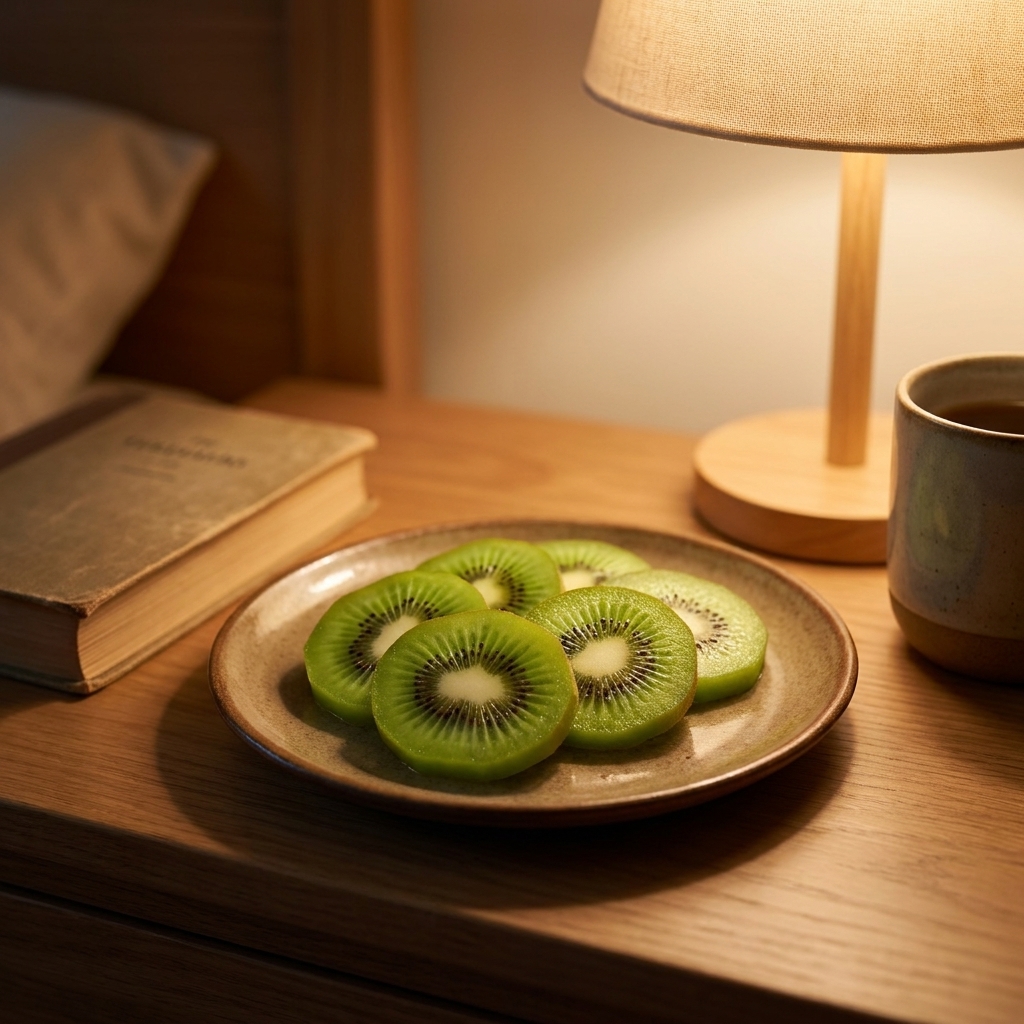
Kiwi is one of my favorite low-drama sleep foods. Some small studies suggest kiwi may support sleep quality and help people fall asleep a bit faster, but it is not a guaranteed fix for everyone. It is light, easy to digest for many people, and brings vitamin C and fiber, which support overall metabolic health that indirectly supports sleep.
How to use it: Try 1 to 2 kiwis about 60 minutes before bed. If you want to pair it with protein, kiwi plus a few spoonfuls of Greek yogurt is a gentle combo.
2) Tart cherry juice (or tart cherries)
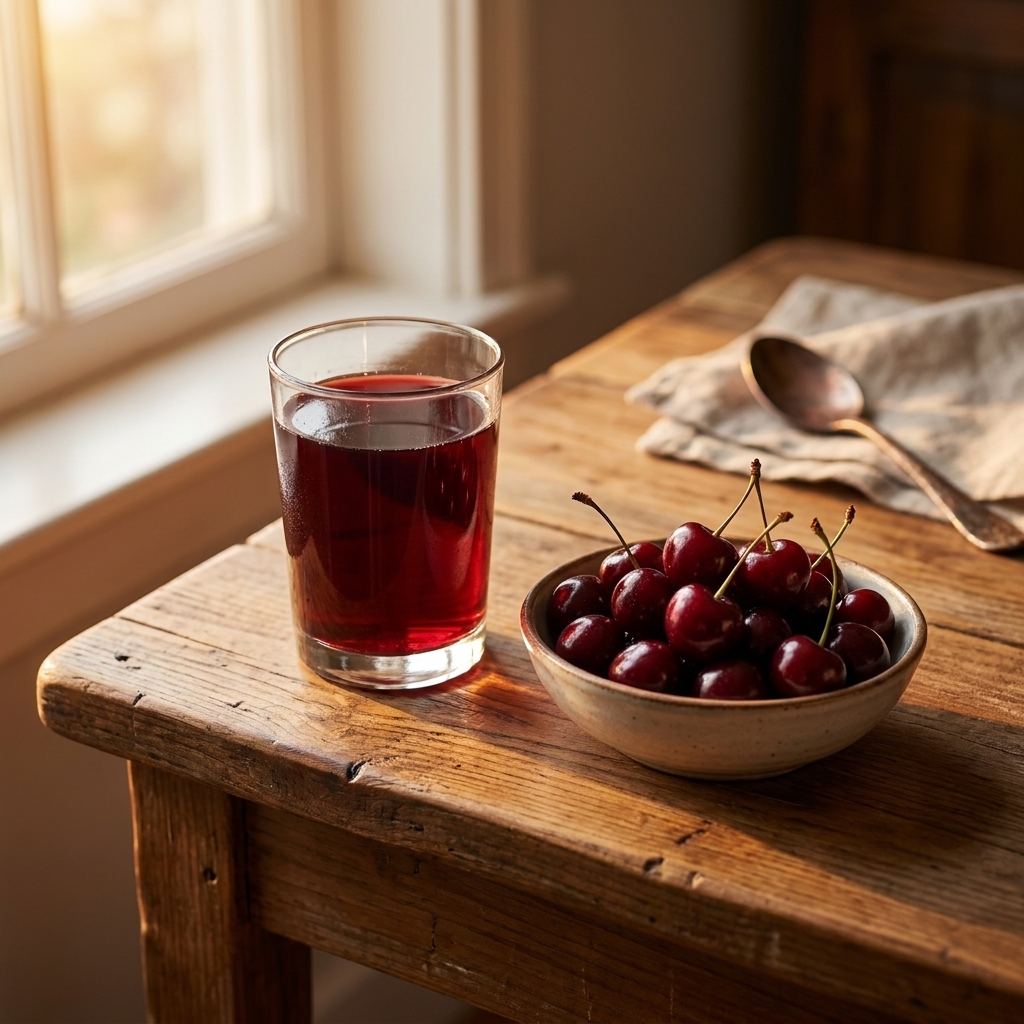
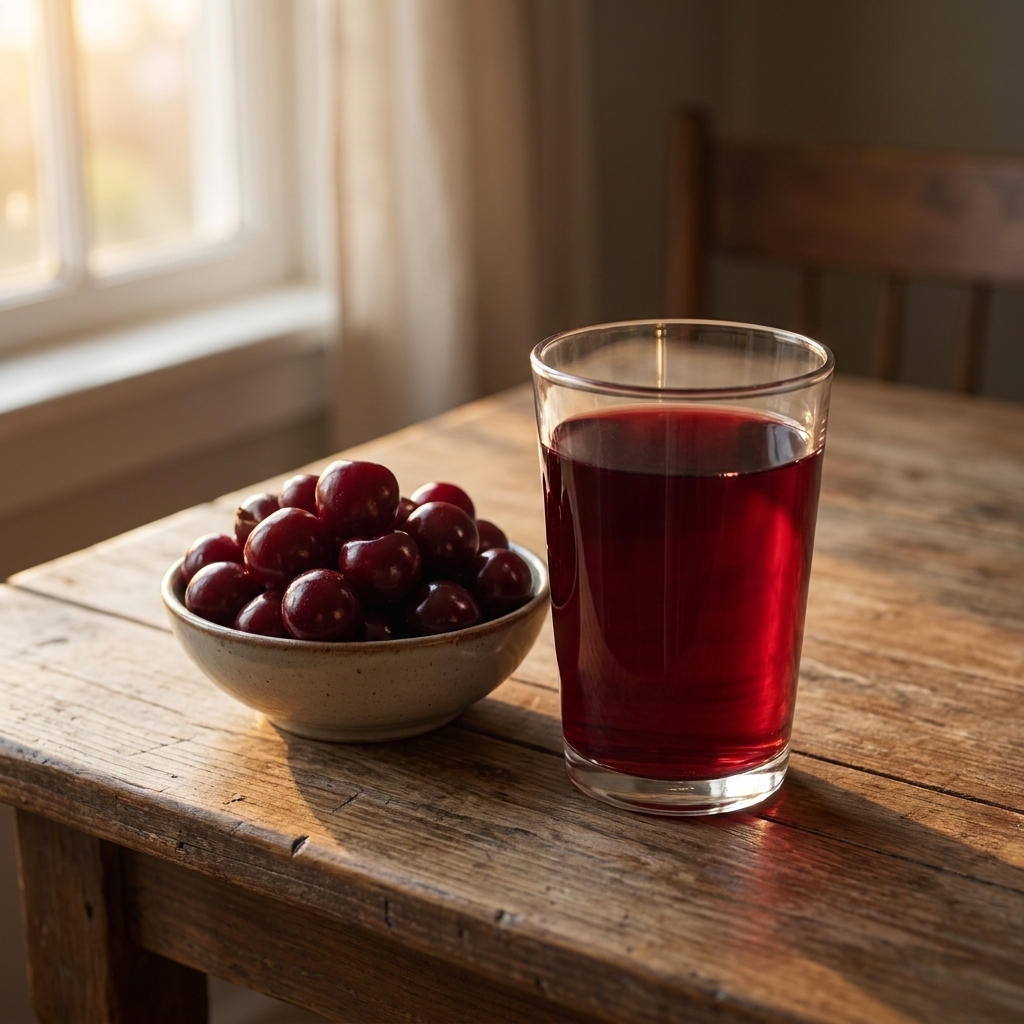
Tart cherries can contain small amounts of melatonin, plus polyphenols that may support recovery and inflammation balance. The melatonin content varies widely by product and processing, so consider any benefit modest and individual. Still, many people find they wake less often when tart cherry becomes a consistent evening habit.
How to use it: Aim for a small serving in the evening, not a giant glass. About 4 to 8 ounces of tart cherry juice (or a small bowl of tart cherries) 1 to 2 hours before bed is a reasonable place to start.
If you are blood-sugar sensitive: Pair it with protein or fat, like a few nuts, or choose whole cherries when available.
3) Greek yogurt or kefir
Dairy foods like Greek yogurt and kefir can support sleep for a few reasons: they provide protein for more stable overnight blood sugar, and they contain nutrients like calcium that are involved in sleep-related signaling in the body. Kefir also adds probiotics, and for some people, a calmer gut means fewer sleep disruptions.
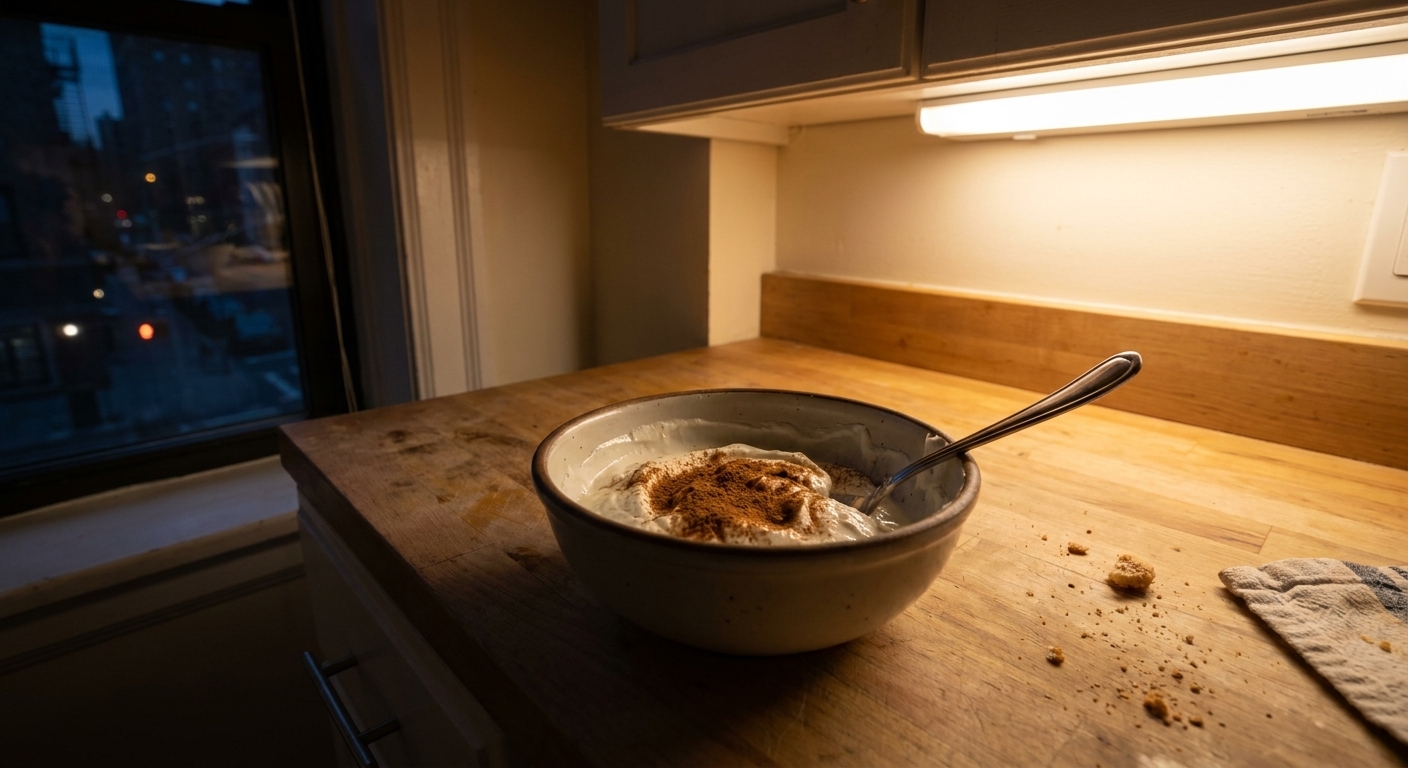
How to use it: Keep it simple: plain Greek yogurt with a few slices of kiwi, a sprinkle of cinnamon, or a tablespoon of ground flax. If dairy does not agree with you, skip it. Sleep should not require digestive suffering.
4) Pumpkin seeds
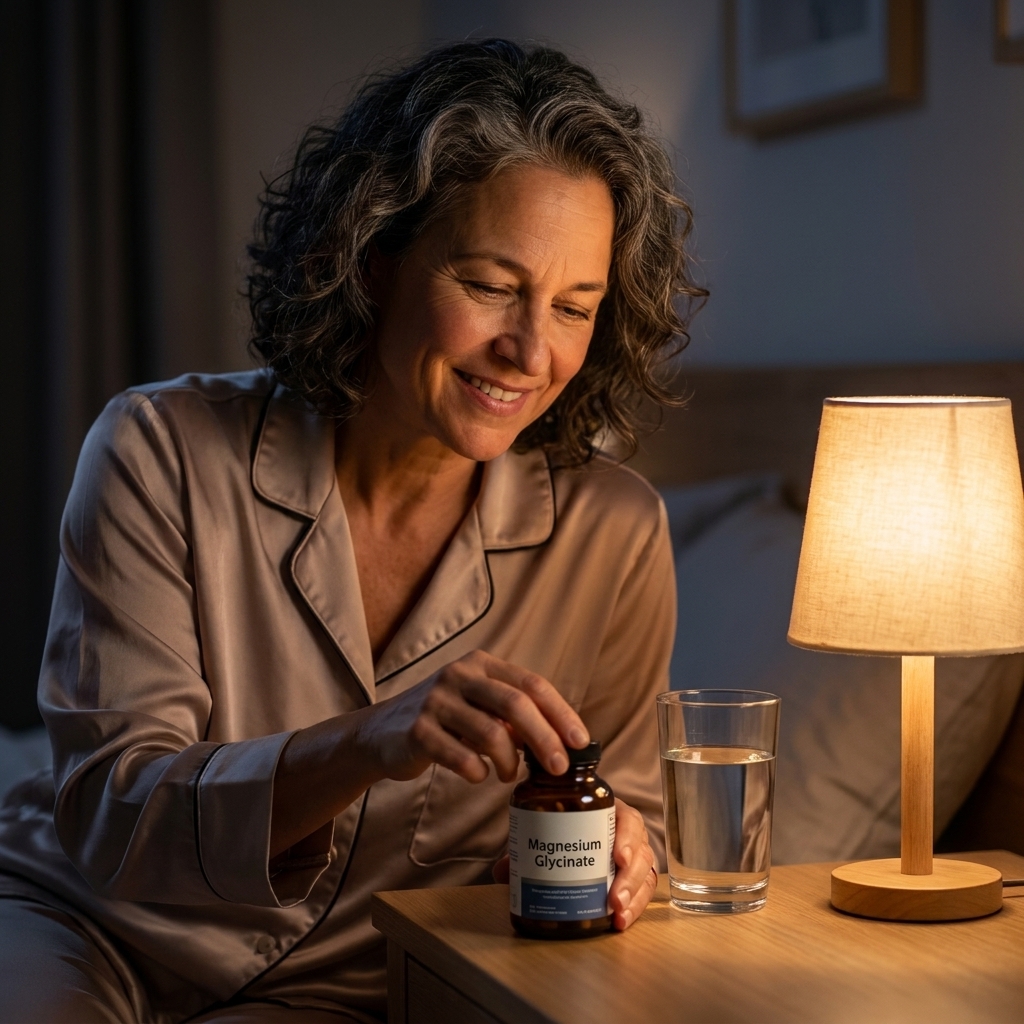
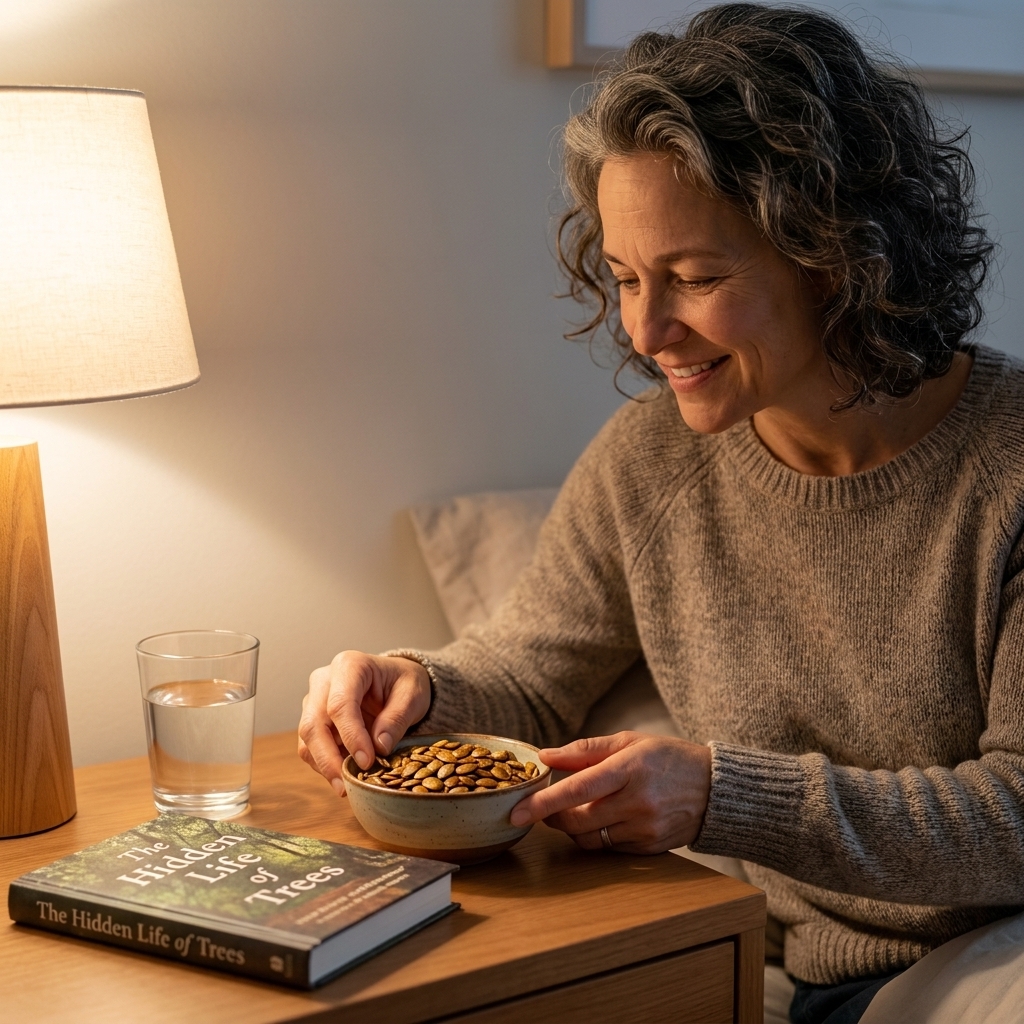
Pumpkin seeds are a compact source of magnesium, zinc, and some tryptophan, all relevant to sleep regulation. Magnesium in particular is linked to relaxation for many people, though responses vary.
How to use it: A small handful after dinner, or sprinkled on yogurt. If you are prone to reflux, keep the portion modest and avoid eating them right as you lie down.
5) Oats
Oats are a gentle complex carbohydrate that can help some people feel sleepier and more settled. Mechanistically, carbs can nudge insulin in a way that may make it easier for tryptophan to be used for serotonin and melatonin production. That said, the effect is not universal, and portion size matters.
How to use it: If you want something warm at night, try a small bowl of oatmeal made with milk or soy milk, topped with pumpkin seeds. Keep added sugars low. A big sugar hit can make some people sleepy at first, then more wakeful later.

6) Salmon (or other fatty fish)
Fatty fish provides omega-3 fats and vitamin D. In some studies, both have been linked to sleep quality, though cause and effect are not always clear and results can be mixed. Practically, salmon is also a high-quality protein source, which can help some people avoid the hunger or blood sugar swings that trigger middle-of-the-night waking.
How to use it: Make it dinner, not a bedtime snack. A simple salmon bowl with rice and cooked greens 3 to 4 hours before sleep works well for many people.
Tip if you get reflux: Keep your evening meal lighter and finish earlier rather than making dinner very high-fat late at night.

7) Banana
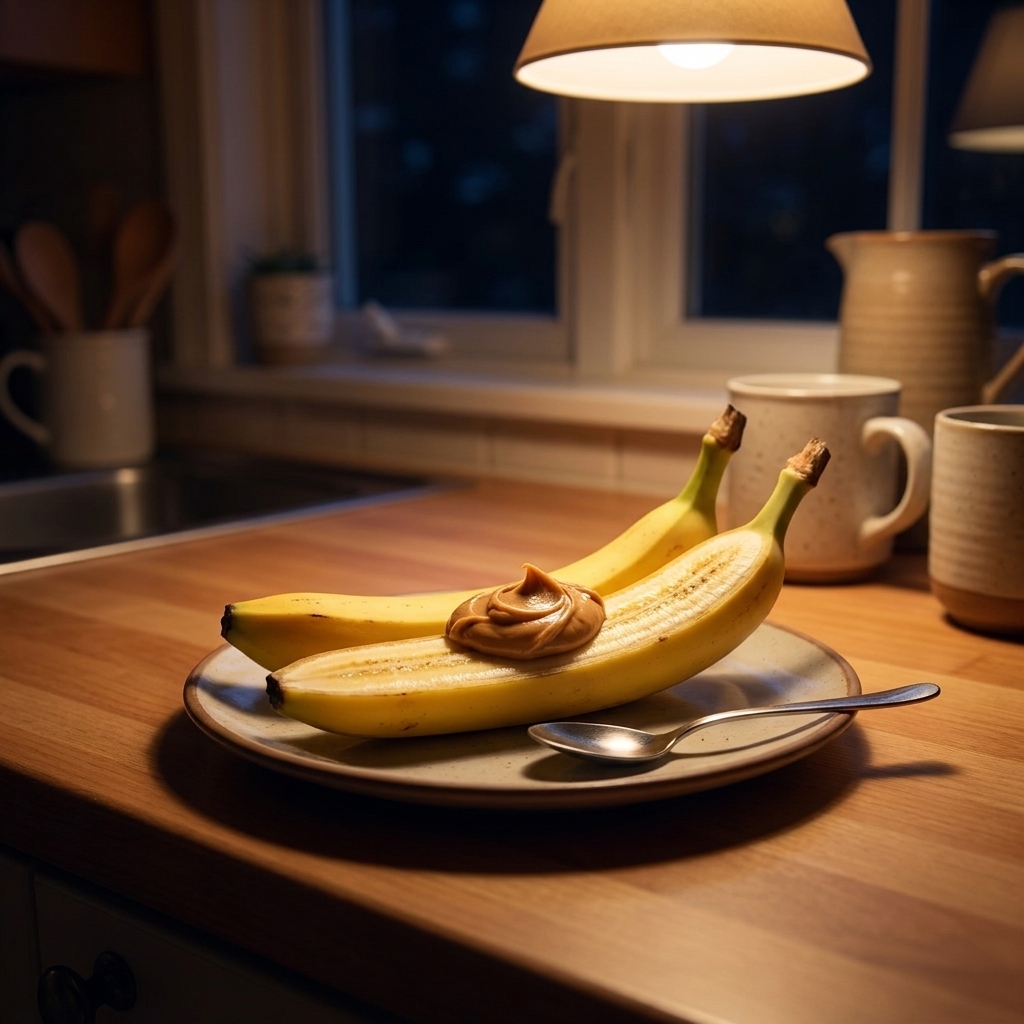
Bananas are not magic, but they are practical: they contain potassium and magnesium, plus easy-to-digest carbohydrates that can help some people feel calmer. For those who wake hungry at night, banana paired with protein can be especially helpful.
How to use it: A banana with a spoonful of peanut butter, or half a banana sliced into yogurt. If bananas trigger reflux or you notice they make you hungrier later, choose one of the other options.
What to avoid before bed
I am not interested in fear-mongering food. You do not need to eat “perfectly” to sleep well. But if you are waking at night, these are the patterns I would troubleshoot first.
Caffeine too late
Caffeine has a long half-life, meaning it can still be active in your body at bedtime even if you had it mid-afternoon. Some people are especially slow metabolizers.
- Try: Set a caffeine cutoff 8 to 10 hours before bed and see what changes over two weeks.
- Watch for hidden sources: pre-workout, energy drinks, chocolate, and some teas.
Alcohol
Alcohol can make you feel sleepy initially, but it often fragments sleep later in the night and can reduce restorative stages. It is also a common trigger for snoring and reflux.
- Try: If you drink, keep it earlier in the evening and pair with food and water.
Spicy, acidic, or greasy meals
These are classic reflux triggers, and reflux is a sneaky cause of micro-awakenings. Even if you do not feel obvious heartburn, you can still get sleep disruption.
- Try: Finish your last large meal 3 to 4 hours before bed and keep late snacks small.
Big sugar hits
Desserts, sweet cereal, candy, and sugary drinks can spike glucose and insulin. For some people, that pattern is followed by a dip later, which can trigger stress hormones and wakefulness. For others, it does not matter much. Your sleep log will tell you more than internet rules.
- Try: If you want something sweet, pair it with protein or fat, or choose fruit.
Very salty foods
Very salty snacks can increase thirst and nighttime bathroom trips. In some people, higher salt intake may also worsen congestion or fluid shifts that make snoring more likely, but snoring is multifactorial.
- Try: Keep salty snacks earlier in the day and hydrate steadily, not all at once at night.
Large meals right before lying down
Even a healthy meal can disrupt sleep if it is too big or too late. Digestion is work, and that work can compete with the wind-down your body needs for sleep.
- Try: If you are genuinely hungry near bedtime, aim for a small snack rather than a second dinner.
Simple snack ideas
If you do best with a small snack, these combinations tend to be sleep-friendly because they combine gentle carbs with protein or magnesium-rich fats:
- Kiwi + Greek yogurt
- Banana + peanut butter
- Oatmeal + pumpkin seeds
- Tart cherry juice + a small handful of nuts
- Plain kefir + cinnamon
Portion guide: Think “small enough that you could still fall asleep easily.” If you feel overly full, scale back.
One more lever that matters: if you are under-eating all day, a perfect bedtime snack will not fully fix 2 a.m. hunger. Adequate daytime protein, fiber, and overall calories often make nights calmer.
Troubleshooting by pattern
If you struggle to fall asleep
- Keep dinner lighter and earlier.
- Choose a calming snack: kiwi, yogurt, or oatmeal.
- Avoid caffeine, alcohol, and spicy foods in the evening.
- Consider a non-food tweak too: dim lights at night and keep your room cool.
If you wake up at 1 to 3 a.m.
- Consider hunger, alcohol, stress, temperature, and blood sugar swings. A small protein-forward snack may help, like Greek yogurt or kefir.
- Alcohol commonly worsens middle-of-the-night wake-ups, even if it “helps” you fall asleep.
If you wake up to pee frequently
- Reduce alcohol and very salty evening foods.
- Hydrate earlier in the day, not in the final hour before bed.
If you wake up with reflux or throat irritation
- Finish dinner 3 to 4 hours before bed.
- Avoid acidic, spicy, fried, or very fatty foods at night.
- Keep snacks small and avoid lying down immediately after eating.
A reminder from a recovering burnout nurse
Your sleep does not need to be earned. You do not have to “biohack” your way into rest or buy expensive powders to make your body feel safe at night. Start with one change you can repeat: add one sleep-supportive food a few nights per week, and remove one trigger you suspect is waking you up.
Consistency beats intensity here. Predictable signals help your body learn what “night” means.
If your sleep problems are persistent, severe, or paired with loud snoring, gasping, restless legs, or significant daytime sleepiness, please talk with a clinician. Sometimes the most compassionate move is to rule out sleep apnea, iron deficiency, medication effects, reflux, blood sugar issues, or mood-related sleep disruption.
If you have specific health conditions: If you have diabetes, kidney disease, GERD, are pregnant, or take medications like anticoagulants, get personalized guidance. Even “healthy” foods (juice sugar, potassium-rich fruit, acidic options) can be the wrong fit in certain contexts.
Quick FAQ
What is the best food right before bed for deep sleep?
For many people, a small snack that combines carbs plus protein works well, like kiwi with Greek yogurt or oatmeal with pumpkin seeds. The best choice is one that helps you feel satisfied without reflux or feeling too full.
Can eating carbs at night help you sleep?
Sometimes. A small amount of complex carbs can support sleepiness and prevent nighttime hunger. The key is portion size and choosing slower-digesting carbs rather than a sugary dessert.
Do magnesium-rich foods help with sleep?
Magnesium-rich foods like pumpkin seeds can support relaxation for some people. Not everyone feels a dramatic difference, but it is a nutrient-dense place to start.
How long before bed should I stop eating?
A common sweet spot is finishing your last full meal 3 to 4 hours before bed. If you need a snack, keeping it small and eating it 30 to 90 minutes before bed works well for many.