Steady your meals, protect sleep, and calm cravings with realistic, research-rooted habits you can start today, no detoxes or extreme diets required.
Calma Path
October 18, 2026
Updated October 18, 2026
15 High-Protein Snacks to Keep You Full Until Dinner
Beat the 3 p.m. crash with 15 filling high-protein snacks. Easy ideas with fiber and healthy fats to curb cravings and support steadier energy.

Written by
Maya Reynolds
Maya Reynolds is a registered nurse turned wellness educator who specializes in translating clinical research into accessible, everyday health habits. She is passionate about helping people sustainably improve their fitness, sleep, and nutrition without the pressure of toxic wellness culture.
There is a very specific kind of hunger that hits mid-afternoon. It is not quite dinner hunger, but it is strong enough to make a sleeve of cookies feel like a reasonable life choice.
As a former bedside nurse, I lived this moment between alarms and charting. What helped most was not “willpower” or cutting carbs. It was building a snack that actually signals satiety to the body: enough protein, plus either fiber, healthy fats, or both. That combo slows digestion and often helps support steadier energy and fewer cravings so it is easier to glide into dinner without feeling desperate.

A simple target: For many adults, a helpful range is 15 to 25 grams of protein for an afternoon snack, paired with fiber (fruit, veggies, whole grains) and/or healthy fats (nuts, seeds, avocado). Your needs vary with body size, activity, and medical conditions. You do not need perfection. You need a snack that works reliably for you.
What makes a snack filling
Satiety is not just about calories. It is about signals. Protein supports fullness hormones and helps preserve lean muscle. Fiber adds volume and can slow digestion. Fat adds staying power and makes the snack satisfying so you do not go hunting for “something else” 20 minutes later.
- Protein: helps you feel full longer and supports muscle repair.
- Fiber: supports gut health and can help you stay satisfied.
- Healthy fats: boost satisfaction and support steadier energy.
- Volume and crunch: veggies and fruit add bulk and can reduce the urge to keep grazing.
15 high-protein snacks
Protein amounts below are estimates and vary by brand and portion size. If you have kidney disease or other medical conditions requiring protein limits, check with your clinician first.
What 15 to 25 grams can look like: about 3/4 to 1 cup Greek yogurt, 1 cup cottage cheese, 1 pouch tuna, or roughly 2 to 3 ounces salmon. Eggs usually need 2 to 3, depending on your hunger.
1) Greek yogurt with berries and chia
Why it works: Greek yogurt brings concentrated protein, berries add fiber and polyphenols, and chia thickens everything into a more filling texture.
- Build it: 3/4 to 1 cup plain Greek yogurt + 1/2 cup berries + 1 tsp to 1 tbsp chia.
- Protein: about 17 to 25 g (depending on yogurt).
2) Cottage cheese with pineapple or tomatoes
Why it works: Cottage cheese is rich in casein, a slower-digesting dairy protein that tends to keep people satisfied.
- Build it: 1 cup cottage cheese + 1/2 cup pineapple, or sliced cherry tomatoes with pepper and a drizzle of olive oil.
- Protein: about 25 to 28 g.
3) Tuna and white bean mini bowl
Why it works: Tuna is high-protein and very satiating, while beans add fiber and resistant starch for longer-lasting fullness.
- Build it: 1 pouch tuna + 1/2 cup canned white beans + lemon + olive oil + parsley.
- Protein: about 22 to 30 g.
Quick note: If you eat tuna often, choose lower-mercury options (like light tuna) more frequently and keep albacore as an occasional pick. If you are pregnant, breastfeeding, or feeding kids, follow your clinician’s guidance on fish choices and frequency.
4) Hard-boiled eggs plus fruit
Why it works: Eggs are a high-quality protein, and pairing with fruit adds fiber and volume.
- Build it: 2 hard-boiled eggs + an apple, pear, or orange.
- Protein: about 12 to 14 g (add a third egg if you need more staying power).
5) Turkey or chicken roll-ups
Why it works: Lean deli meat is an easy protein anchor. Add crunch and fiber with veggies.
- Build it: 4 to 6 slices turkey or chicken wrapped around cucumber sticks or bell pepper strips. Add mustard or hummus.
- Protein: about 18 to 25 g (brand-dependent).
Sodium note: Deli meats can be salty. If you are watching sodium, look for lower-sodium options and pair with high-volume produce and water.
6) Edamame with sea salt and chili flakes
Why it works: Edamame provides protein and fiber, which is the satiety sweet spot.
- Build it: 1 cup shelled edamame, warmed or chilled.
- Protein: about 17 g.
Vegan and nut-free option: This is a solid choice if you avoid dairy and nuts.
7) Hummus with boosted dippers
Why it works: Hummus has fiber and fat, but it becomes much more filling when paired with a higher-protein dipper.
- Build it: Hummus + roasted chickpeas, high-protein pita, or a side of turkey slices, plus veggies.
- Protein: varies widely, typically 10 to 20 g depending on what you pair with it.
8) Jerky or meat sticks plus a fiber side
Why it works: Portable protein that does not need refrigeration. Pairing it with fiber helps prevent the “salty snack and still hungry” effect.
- Build it: About 1 oz jerky (or 1 stick) + baby carrots, snap peas, or an apple.
- Protein: often about 9 to 15 g per ~1 oz, but it is very brand-dependent.
Sodium note: Jerky and sticks can run high in sodium. If you are sensitive to salt or managing blood pressure, choose lower-sodium brands when you can and add a produce side.
9) Smoked salmon on whole-grain crackers
Why it works: Protein plus omega-3 fats support satisfaction. Whole grains add fiber.
- Build it: 2 to 3 oz smoked salmon + 4 to 6 whole-grain crackers + sliced cucumber.
- Protein: about 14 to 21 g.
Sodium note: Smoked salmon can be salty. If you are watching sodium, use a smaller portion, balance it with fresh produce, and drink water.
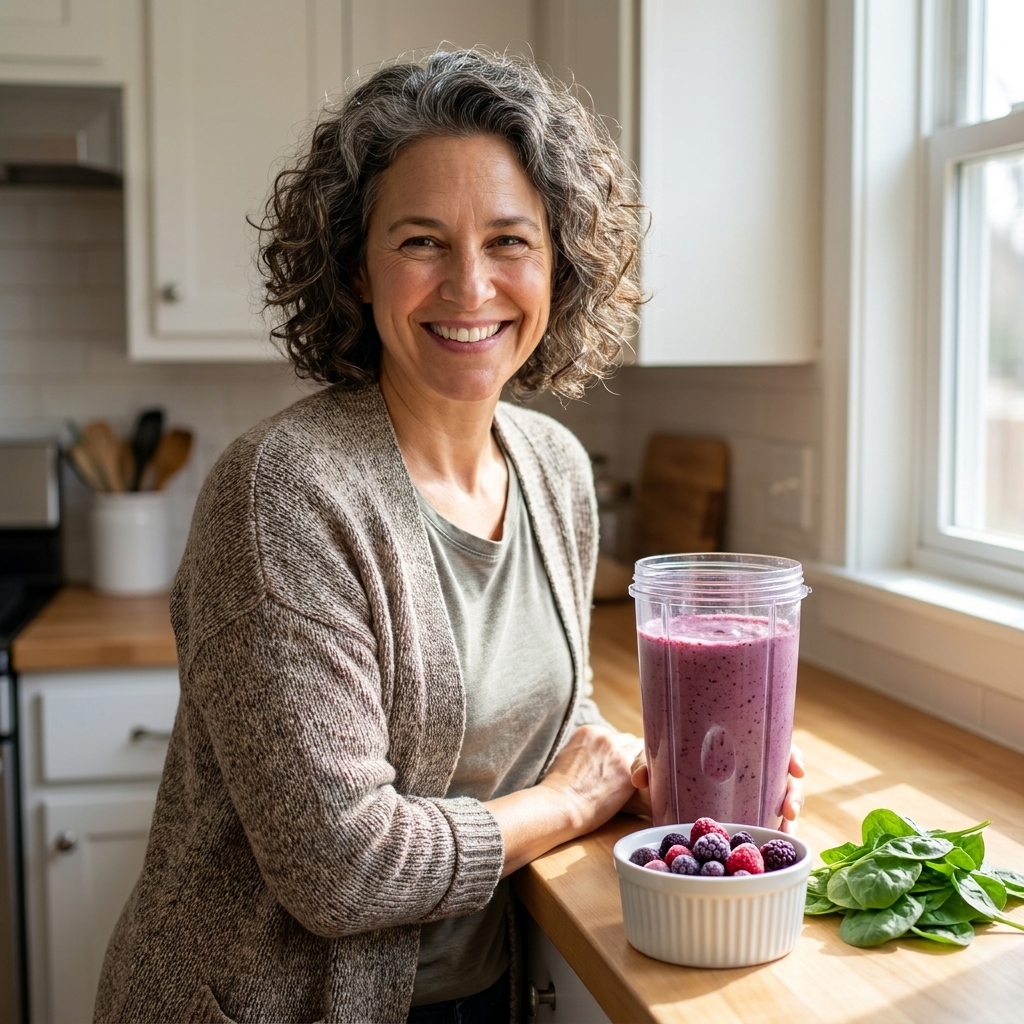
10) Protein smoothie (not a sugar bomb)
Why it works: A protein-forward smoothie can be filling when it includes enough protein and some fiber. The trick is to keep added sugars modest and add something that slows it down, like chia or flax.
- Build it: 1 scoop protein powder (or 3/4 cup Greek yogurt) + frozen berries + spinach + chia or ground flax + unsweetened milk.
- Protein: about 20 to 35 g (depends on protein choice).
11) Roasted chickpeas
Why it works: Crunchy, high-fiber, and more satisfying than most snack crackers.
- Build it: 3/4 cup roasted chickpeas with paprika and garlic powder.
- Protein: about 10 to 12 g.
12) High-protein overnight oats (snack size)
Why it works: Oats provide soluble fiber, and adding Greek yogurt or protein powder turns it into a true bridge to dinner.
- Build it: 1/3 cup oats + 1/2 cup Greek yogurt + 1/2 cup milk + cinnamon + berries.
- Protein: about 18 to 25 g.
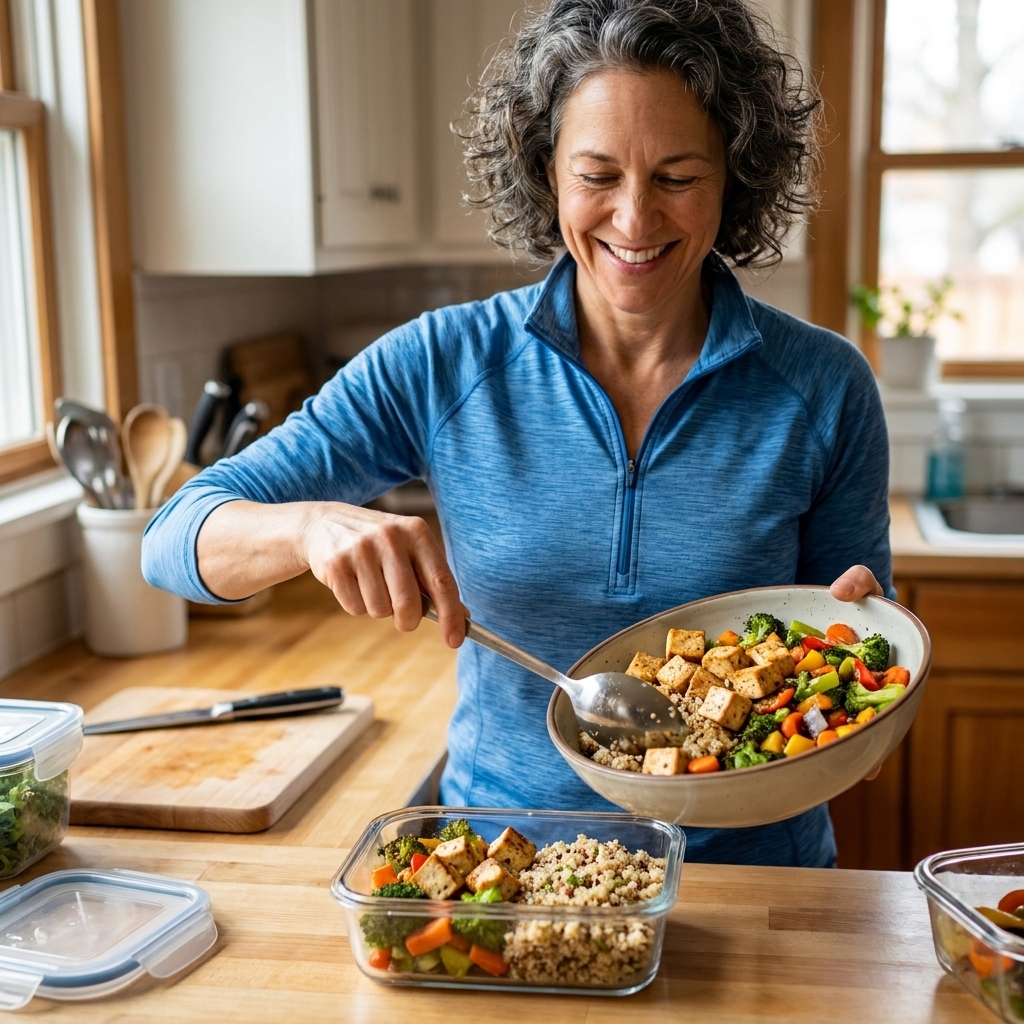
13) Tofu snack plate
Why it works: Tofu is a complete plant protein, meaning it contains all essential amino acids. Add something crunchy and something flavorful and it stops feeling like diet food.
- Build it: 4 to 6 oz extra-firm tofu, cubed + soy sauce or chili crisp + cucumber and carrots.
- Protein: about 15 to 22 g.
Vegan option: Easy, filling, and travel-friendly if you pack it with an ice pack.
14) Ricotta with cocoa and strawberries
Why it works: Ricotta is protein-rich and creamy, which can satisfy the “I want dessert” feeling without turning into a sugar spiral.
- Build it: 1/2 to 3/4 cup part-skim ricotta + 1 tsp cocoa powder + vanilla + sliced strawberries.
- Protein: about 14 to 21 g.
15) Nut butter with skyr or Greek yogurt
Why it works: Nut butter adds fat for staying power. Pairing it with skyr or Greek yogurt boosts protein and turns it into a balanced snack.
- Build it: 3/4 cup skyr or Greek yogurt + 1 tbsp peanut butter or almond butter + cinnamon.
- Protein: about 18 to 25 g.
Nut-free swap: Use sunflower seed butter if you need a nut-free option.
Pick the right snack
Not every day needs the same snack. Here is a simple way to match your choice to what your body is asking for.
- If you are craving sweets: choose a protein + fruit combo (Greek yogurt with berries, ricotta with strawberries, eggs plus fruit).
- If you are craving salt and crunch: try edamame, roasted chickpeas, jerky plus a fiber side, or tuna and beans.
- If you need something that lasts: cottage cheese, a protein smoothie with fiber, or salmon and whole-grain crackers.
- If you are short on time: eggs, jerky, skyr, or a tuna pouch can be faster than a drive-thru.
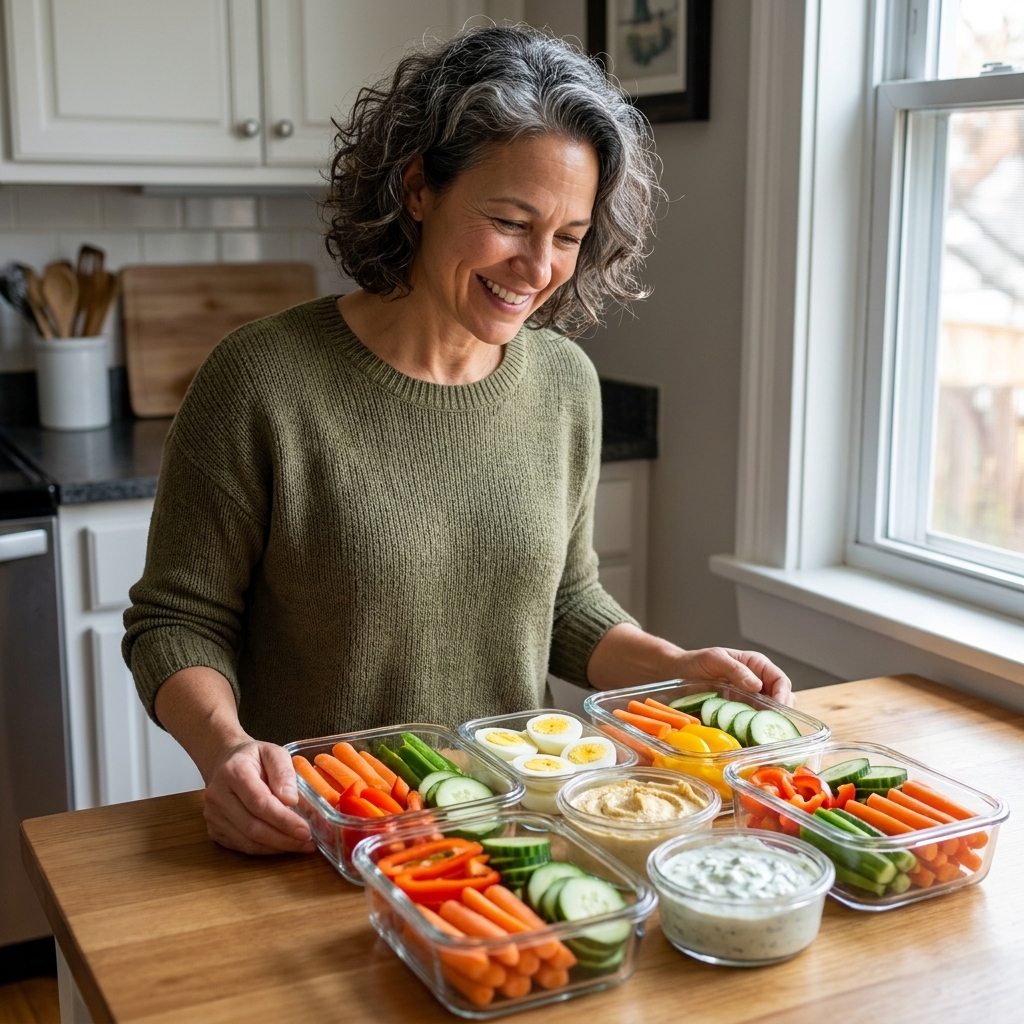
My nurse-shift tip: If you want a snack to work when you are tired and busy, it has to be visible and ready. Put the high-protein option at eye level in the fridge. Portion it once, then let future-you benefit all week.
Common questions
How much protein should be in a snack?
For many adults, 15 to 25 grams is a solid range for an afternoon snack. If your lunch was light or you are very active, you may feel best closer to 25 to 30 grams. If you have specific medical needs, your ideal range may be different.
Are protein bars a good option?
They can be, especially when you need something portable. Look for a bar with 10 to 20 grams of protein, some fiber, and minimal added sugar. If a bar leaves you hungrier later, it may be more candy-bar-adjacent than it looks.
What if dairy upsets my stomach?
Use non-dairy proteins like edamame, tofu, tuna, chicken, turkey, or a plant-based protein powder you tolerate well. Some people do better with lactose-free Greek yogurt, too.
Can high-protein snacks help with weight management?
They can support it by improving satiety and reducing grazing, especially when paired with fiber-rich foods. The goal is not restriction. It is building a snack that helps you feel calm and steady until your next meal.
Any food safety notes I should know?
If you are pregnant, immunocompromised, or managing a chronic condition, ask your clinician about the best choices for you. In general, keep cold foods cold, use an ice pack when needed, and be mindful that tuna, deli meats, jerky, and smoked foods can come with extra considerations like mercury or sodium.
A simple weekly plan
If decision fatigue is your biggest barrier, pick two snacks for the week: one sweet-leaning and one savory-leaning. Stock the ingredients, portion them once, and rotate. Consistency beats variety when life is busy.
- Sweet option: Greek yogurt + berries + chia
- Savory option: edamame + sea salt, or tuna + white beans
You do not need a perfect diet to have steadier energy. You just need a snack that actually holds you.