A science-backed look at active vs. passive recovery: circulation, inflammation, soreness, nervous system load, and how to choose the right recovery day for ...
Calma Path
October 18, 2026
Updated October 18, 2026
Cold Plunge vs. Sauna for Soreness
Ice baths and saunas can both support recovery, but they work differently. Here is what research suggests about DOMS, timing, and when each method makes sense.

Written by
Maya Reynolds
Maya Reynolds is a registered nurse turned wellness educator who specializes in translating clinical research into accessible, everyday health habits. She is passionate about helping people sustainably improve their fitness, sleep, and nutrition without the pressure of toxic wellness culture.
After years of sprinting through hospital hallways on little sleep, I became a little obsessed with anything that promised “fast recovery.” Some of it helped. A lot of it was expensive nonsense. Temperature therapy sits in a helpful middle ground: it can make you feel better quickly, but it is not magic, and the details matter.
If your main goal is reducing delayed onset muscle soreness (DOMS) after training, cold and heat both have a case. They just do it through different biology and timing.
What DOMS is
DOMS is that deep, tender stiffness that usually peaks 24 to 72 hours after a new or intense workout, especially strength training or downhill running. It is linked to microscopic muscle damage, local inflammation, and a sensitized nervous system that makes movement feel more uncomfortable.
Important nuance: some inflammation is part of adaptation. So the question is not only “Can I reduce soreness?” but also “What is the tradeoff?” That tradeoff shows up most clearly with cold water immersion right after lifting.
Cold plunge
How it works
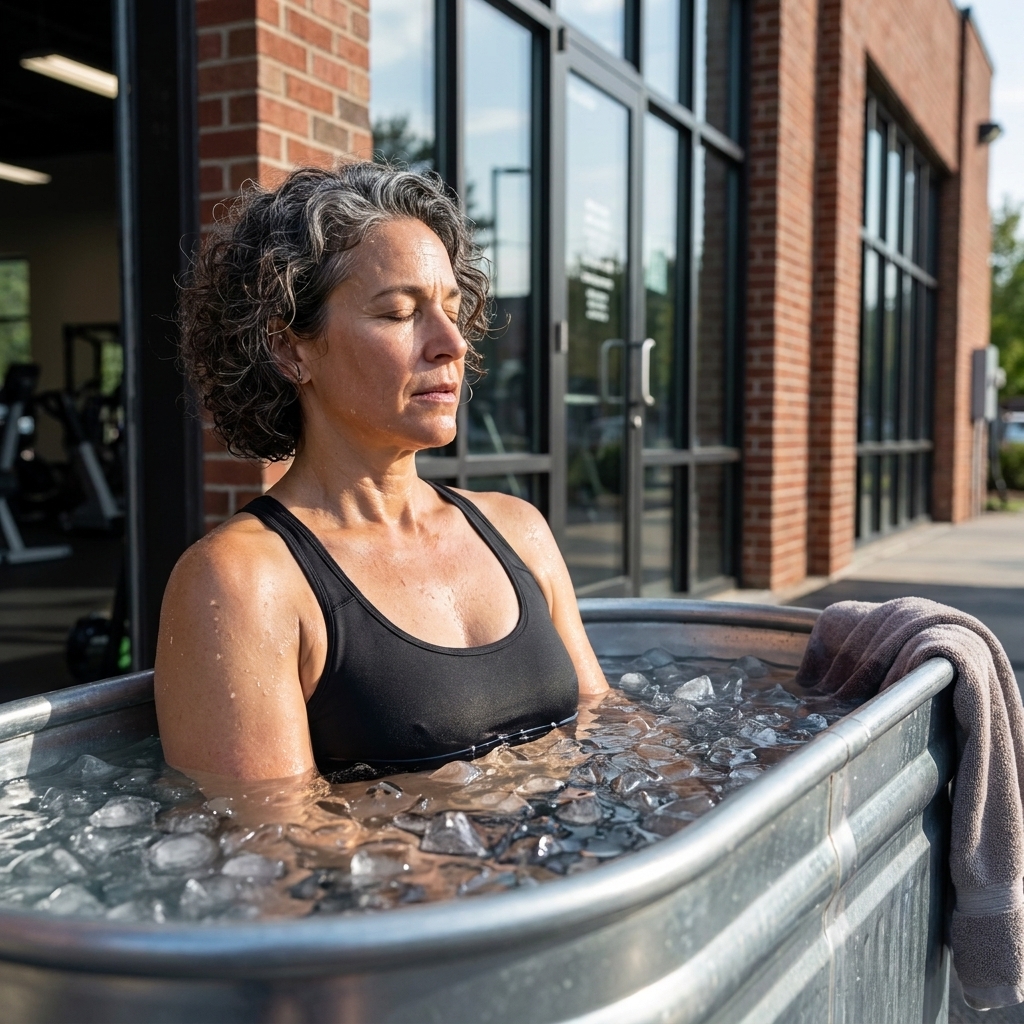
Cold water immersion (ice bath, cold plunge) can reduce soreness by changing blood flow, swelling, and pain signals:
- Vasoconstriction (blood vessels narrow) may limit fluid buildup in tissues.
- Lower tissue temperature can slow some inflammatory activity.
- Analgesic effect: cold can reduce nerve conduction velocity, which often means less perceived pain.
What research shows for DOMS
Across systematic reviews and meta-analyses, cold water immersion tends to produce a small to sometimes small-to-moderate reduction in perceived soreness in the 24 to 96 hours after hard exercise, depending on the protocol, the workout, and the athlete. It is not a miracle, but it is consistent enough that many sports teams keep it in the toolbox.
Where cold looks most useful is when you have back-to-back training days, competitions, tournaments, or physically demanding work shifts and you need your legs to feel usable tomorrow.
The big caveat: gains
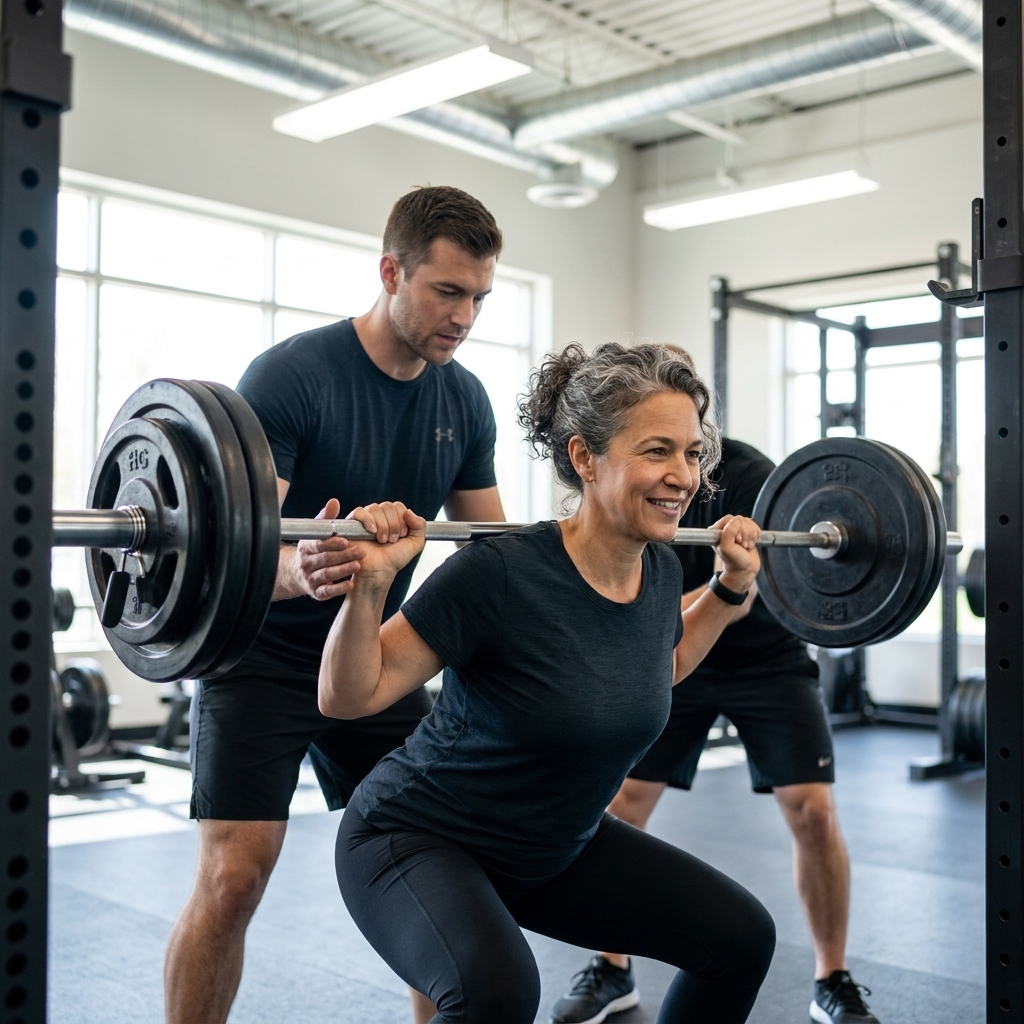
If you are doing resistance training primarily to build muscle, regular cold plunging immediately after lifting may blunt some of the cellular signaling involved in hypertrophy, and in some studies, it is linked to smaller muscle growth over time. The “blunting” concern seems more relevant for hypertrophy than maximal strength, varies by training status and program design, and is much less concerning when cold is used occasionally rather than as an automatic post-lift ritual.
My practical takeaway: cold is a tool. Use it strategically when short-term performance and comfort matter more than maximizing long-term hypertrophy.
A simple cold protocol
- Temperature: about 10 to 15°C (50 to 59°F). Many studies also use colder, shorter exposures, roughly 8 to 12°C for about 5 to 10 minutes.
- Time: 5 to 15 minutes total. If that feels intense, start with 2 to 4 minutes and build up.
- Timing: most useful within a few hours after training, especially if you need to train or compete again within 24 hours.
- Frequency: as a practical rule, 1 to 3 times per week is plenty for most people. Daily is rarely necessary unless you have a short-term reason (like a tournament week).
Real-life compromise: If your goal is muscle growth, consider saving cold plunges for rest days, skill sessions, or endurance days, and avoid making it an automatic post-lift ritual.
Sauna
How heat works
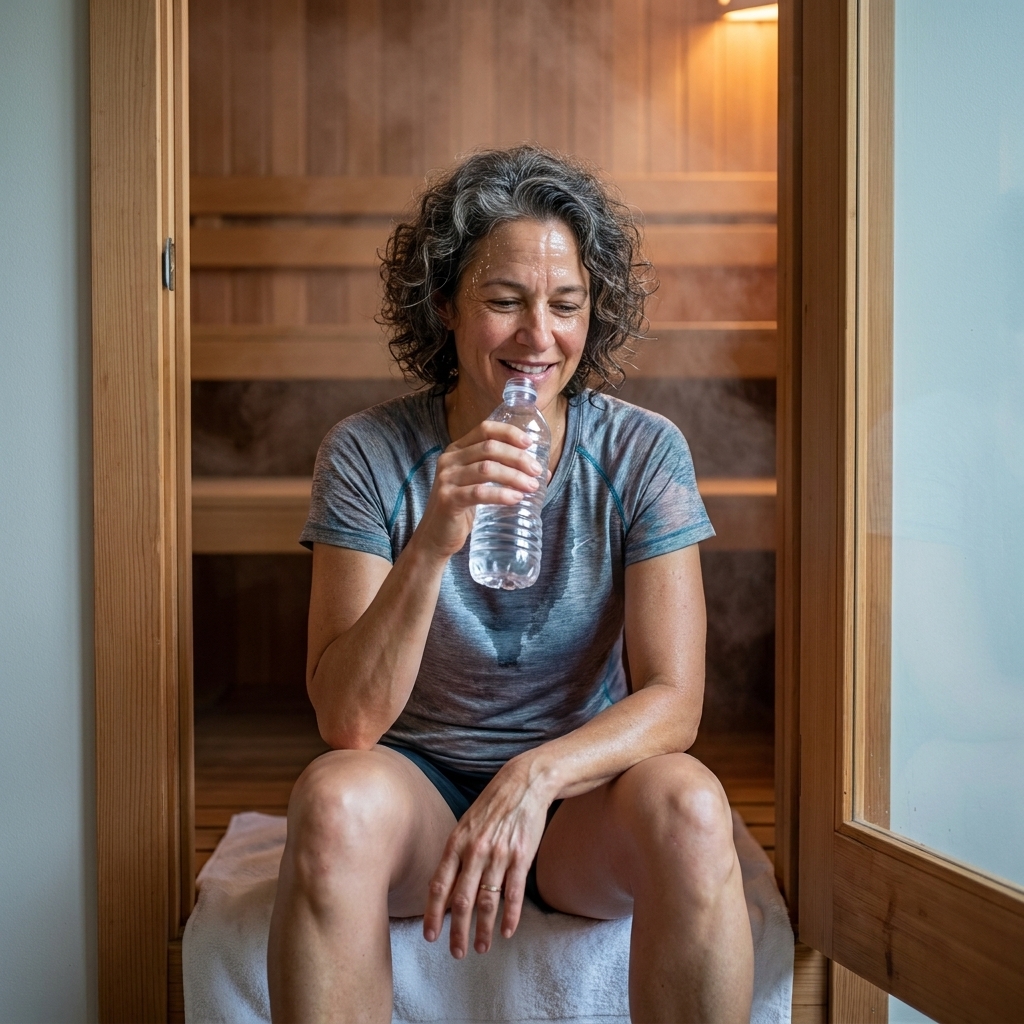
Heat exposure (traditional sauna, infrared sauna, hot bath) generally does the opposite of cold physiologically:
- Vasodilation (blood vessels widen), increasing circulation to skin and muscles.
- Warmer tissue temperature can increase flexibility and reduce the “stuck” feeling.
- Heat stress response can increase heat shock proteins, which are involved in cellular protection and repair processes.
What research shows for DOMS
For soreness specifically, heat shows modest and variable benefits. In real life, many people notice sauna more for muscle relaxation and stiffness relief than for dramatically changing next-day soreness scores.
Sauna also has broader interest in the research world for cardiovascular health. A lot of the attention comes from long-term Finnish cohort studies showing strong associations between frequent sauna use and lower cardiovascular and all-cause mortality. That is encouraging, but it is not the same as proving sauna causes those outcomes. Interventional studies exist too, but the evidence base is smaller.
On the performance side, heat exposure can support heat acclimation and plasma volume changes that look a lot like endurance-supportive adaptations in some protocols. Again, promising, but not guaranteed from any random sauna routine.
One more honest point: some people do feel pleasantly sleepy after sauna, which matters because sleep is still the most powerful recovery tool we have. But timing is individual. If you stay overheated, sauna too close to bedtime can backfire.
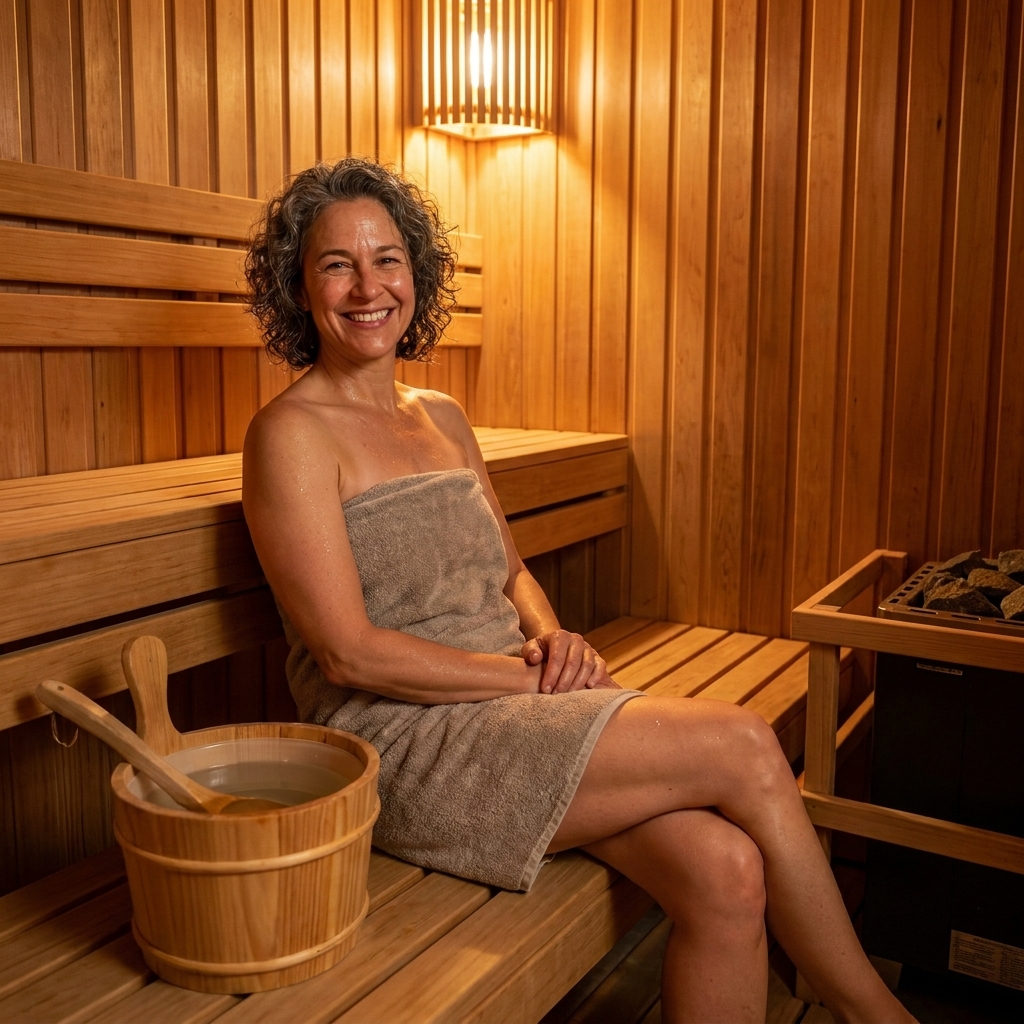
Cold vs sauna
If we are being strict about DOMS, cold water immersion has more consistent evidence for short-term soreness relief and next-day readiness than passive heat. Head-to-head studies are limited and the protocols vary a lot, so I would not frame this as a universal blowout.
Sauna still earns its place because recovery is not only about soreness scores. Heat can support:
- Relaxation and downshifting after training.
- Mobility and perceived stiffness relief.
- Sleep support for some people, especially when you leave enough time to cool down before bed.
My nurse brain summary: if you need to feel less sore tomorrow, cold is usually the more evidence-backed lever. If you need to feel more human tonight and set yourself up for better sleep, sauna can be a more sustainable habit.
Hot and cold
Contrast therapy (alternating heat and cold) is popular, and some people swear by it. The research is mixed. It can reduce soreness in some studies, but it is not clearly superior to cold immersion alone for DOMS.
If you love contrast because it helps you stick with recovery work, that matters. Consistency beats the perfect protocol you never do.
A gentle contrast option
- Hot: 5 to 10 minutes (sauna or hot shower)
- Cold: 30 to 90 seconds (cool shower or cold plunge)
- Repeat: 2 to 3 rounds
Keep it simple. If your heart is pounding, you feel lightheaded, or you get chest pain, stop and cool down slowly.
How to choose
If you train again soon
Pick cold plunge. It is the more reliable choice for decreasing soreness quickly and supporting next-day readiness.
If your goal is building muscle
Lean sauna for post-lift recovery and relaxation, and reserve cold plunge for times you truly need rapid soreness relief. If you do use cold after lifting, consider separating it from the workout by several hours or doing it on non-lifting days.
If sleep is your weak link
Sauna often wins. A warm-down routine can cue your body toward rest. Aim for late afternoon or early evening, and leave time to cool down before bed. If you notice sauna makes you wired at night, move it earlier in the day.
If you are heat sensitive or migraine-prone
Start with short, lower-heat sessions or choose cold. Heat can be a trigger for some people, especially with dehydration.
Other DOMS tools
If you want the boring but effective stuff that stacks with either cold or sauna, start here:
- Progressive ramp-up: the best DOMS prevention is not going from zero to hero. Build volume and novelty gradually.
- Light movement: easy cycling, walking, or a gentle flush session often helps soreness feel less intense.
- Massage and compression: modest evidence, but some people get meaningful symptom relief.
- Food and sleep: enough protein, enough carbs for your training load, hydration, and consistent sleep still do the heavy lifting.
Safety
Temperature exposure is not risk-free. Most healthy adults can do it safely, but please take these seriously.
Cold plunge safety
- Avoid or get medical clearance first if you have uncontrolled high blood pressure, known coronary artery disease, serious heart rhythm issues, a history of cardiac events, or a history of fainting with cold exposure.
- Cold shock is real: the first 30 seconds can spike breathing and heart rate. Enter slowly and focus on steady breathing.
- Skip breath-holding or hyperventilation games in cold water. They increase risk and do not make you tougher in any medically meaningful way.
- Use extra caution if you have Raynaud’s, cold urticaria, peripheral neuropathy, or reduced sensation in your feet or hands.
- Do not plunge alone if you are pushing colder temps or longer times.
Sauna safety
- Hydrate and consider electrolytes if you sweat heavily.
- Skip alcohol before sauna.
- Be careful if you run low blood pressure or take medications that increase dehydration risk (including some diuretics). Heat can contribute to dizziness and fainting.
- Stop if dizzy, nauseated, unusually weak, or you develop chest pain. Heat illness can sneak up fast.
- Pregnancy, cardiovascular disease, and certain meds can change what is safe. When in doubt, ask your clinician.
Bottom line
For reducing DOMS specifically, cold water immersion has the stronger and more consistent track record for short-term soreness relief and next-day readiness, with the tradeoff that frequent immediate post-lift use may blunt hypertrophy adaptations.
Sauna is a powerful recovery habit for relaxation, stiffness, and, for some people, sleep support. Its long-term health benefits are promising, especially in observational research, but they should be interpreted with appropriate humility.
If you want the simplest plan: use cold when you need to perform again soon, use sauna when you want to recover deeply and unwind, and remember that the most effective recovery “stack” is still boring and beautiful: enough protein, enough carbs for your training load, hydration, progressive training, and consistent sleep.